

Attract More Hummingbirds By Growing These Two Types Of Lilies In Your Garden
We may receive a commission on purchases made from links.
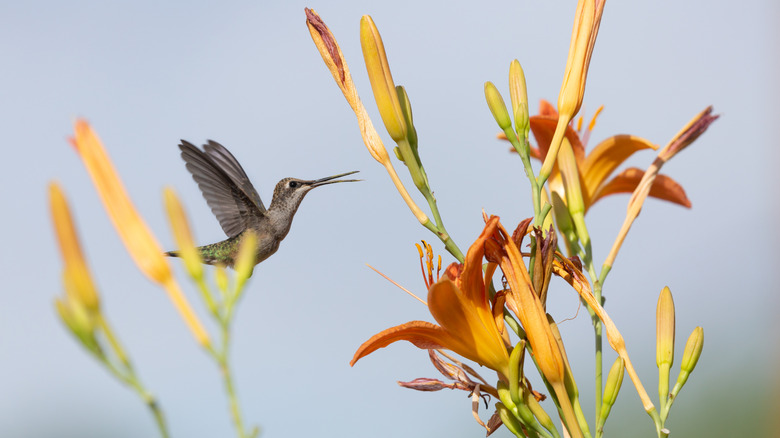
When it comes to attracting hummingbirds to your backyards, there are plenty of things you can do to create a hummingbird haven. Finding the best place to hang a hummingbird feeder or adding a water element to keep birds cool and hydrated can boost the appeal of your yard in the eyes of these acrobatic birds. You can also add plants that attract hummingbirds to your yard and garden. Among the best plants for this duty are lilies. In particular, two varieties which are native to North America, Canada lilies and tiger lilies, are among the most popular choices for attracting hummingbirds.
Lilies are ideal for attracting hummingbirds for several reasons. For one thing, they add color to your yard, which hummers love. They are especially attracted to reds and oranges. Additionally, lilies can provide nutrition for hummingbirds, as they are a good source of calorie-rich nectar. This is no small consideration, given that hummers can burn over 10,000 calories in a day. They also attract insects, which are on the hummingbird's menu. Additionally, the height of lilies, as well as the shape of their flowers make them ideal dining dishes for hummers.
While the right lilies can draw hummingbirds to your backyard, not all lilies are attractive to these tiny avians nor does every variety of lily grow well in each USDA hardiness zone. Therefore, the key to using lilies as a way to attract hummingbirds is finding the right fit for your yard and geographic region.
Tiger lilies attract rufous hummingbirds in the western U.S.
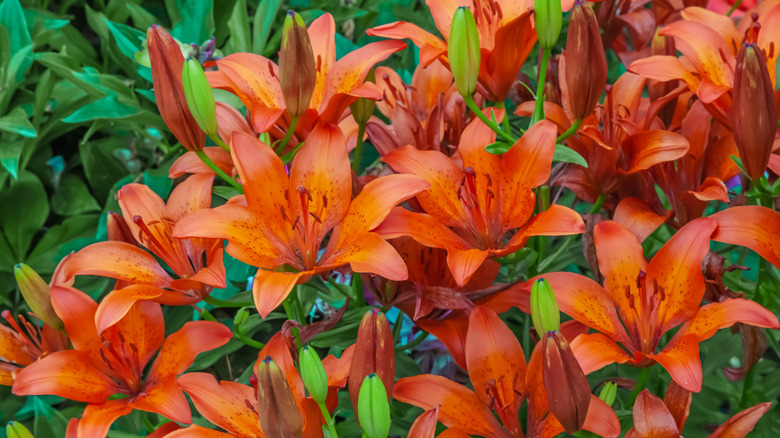
Tiger lilies are renown for attracting rufous hummingbirds in the western United States. However, given that they grow well in USDA hardiness zones 3-9, tiger lilies can be grown in backyards throughout the vast majority of the country. Additionally, their brightly colored petals and plentiful nectar make them appealing to various species of hummingbirds wherever they are grown. The shape of the tiger lily flower, as well as the fact it hangs facing down, makes it easy for hummingbirds to feed.
To add tiger lilies to your yard or garden, find a plot of well-draining soil that is either in full sun or partially shaded. Then, secure an ample supply of ready-to-plant bulbs such as Holland Bulb Farms double tiger lily flower bulbs and plant them in either spring or fall. That task is simple enough. First, dig holes for each of the bulbs you intend to plant. The hole should be two or three times the height of the bulb and spaced a foot or so apart. Next, place a bulb in each hole, root down, back-fill the holes, and give a light watering.
It should be noted that tiger lilies typically bloom later in the summer through early fall. This makes them ideal for use along the fall migration route, which hummingbirds typically utilize anywhere from August through October. It also makes them a good choice in areas where hummingbirds remain year-round, such as the west coast.
Ruby-throated hummingbirds are fond of Canada lilies in the eastern U.S.
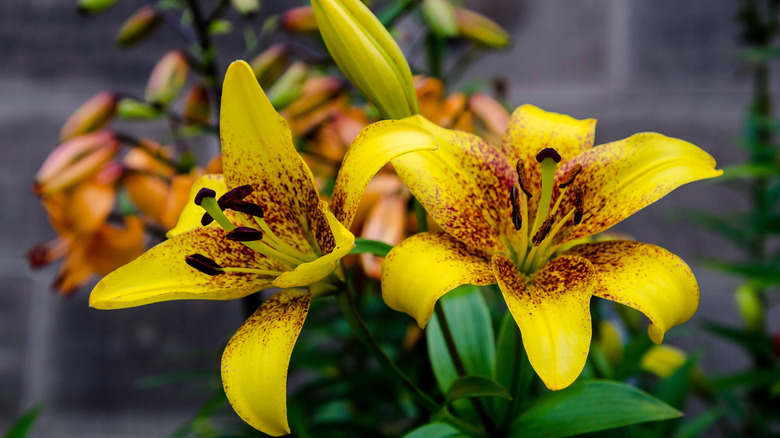
Canada lilies, which are also known as meadow lilies, don't grow in quite as wide of a range as tiger lilies, as they do best in USDA hardiness zones 3-8. However, it is considered a cold tolerant plant and its native range overlaps with the territory of several hummingbird species, most notably the ruby-throated hummingbird. If you live east of the Mississippi River, the ruby-throated hummingbird is the primary species found in your area and the only one to breed there. Given that the bloom time of Canada lilies coincides with the time period ruby-throated hummingbirds are found in the Eastern US, they are ideal for attracting them.
Hummingbirds are attracted to Canada lilies for a variety of reasons. For starters, their brightly colored petals draw in a variety of pollinators. Additionally, the tubular shape of their flowers are preferred by hummingbirds, as it gives them almost exclusive access to the plentiful nectar within since they can reach it with their long beaks and tongues.
Not only are Canada lilies native to much of the Eastern United States, but growing them is relatively easy. Like many lilies, they do best in sunny or partially shaded areas and need well draining, slightly-acidic soil so the bulbs don't rot. The bulbs should be planted in holes that are twice as deep as they are tall. When the hole is backfilled, the newly planted bulb will be covered with soil that is equal to its size. They should be planted about a foot apart and watered just often enough to maintain moisture in the soil.