

The Must-Plant Hybrid You Should Grow To Attract More Hummingbirds
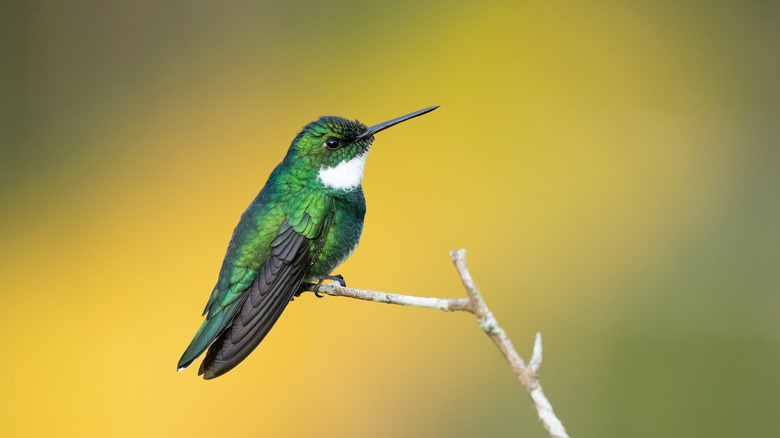
There's a little thrill that runs through any bird lover who sees a hummingbird grace the flowers or sugar water-filled feeders in their garden. It starts with the little hum that signals their presence, followed by watching their wings move faster than imaginable as they approach the nectar. If you get lucky, you might even see them stop to rest, which showcases how small they really are. But like anyone who wants to attract hummingbirds to their garden, sometimes you need a plant that is guaranteed to do the job. Enter Supertunia petunias.
These floral beauties deliver mounds of blooms in a variety of colors, from golden yellows to vivid magentas, warm tangerines, and delicate pinks. Choosing a variety in red might be the best option, as adding this color to your garden will attract more hummingbirds. The flower's popping hues, combined with their tubular shape and abundant nectar, make them hummingbird magnets. You'll find a petunia variety on just about every list of best hummingbird flowers to grow because they offer this desirable bird nearly nonstop flower power from spring until fall. But the Supertunia petunia delivers a bonus: a bit more oomph for less work.
Make your home a hummingbird haven by growing Supertunia petunias
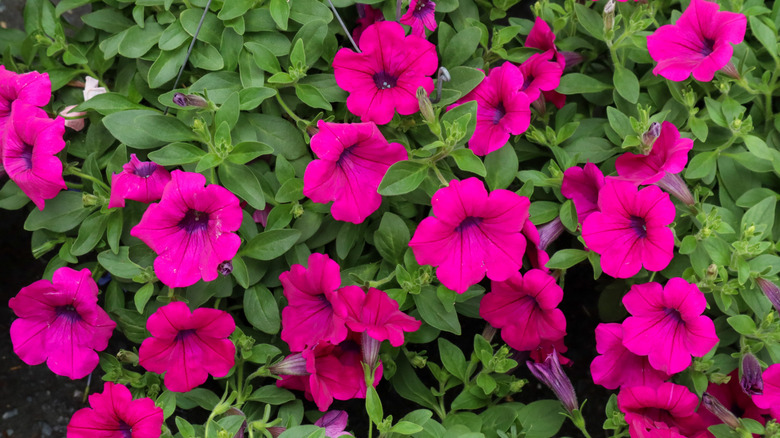
When you find a plant that brings your inner bird lover joy with more hummingbird traffic, you naturally want to maximize its growth. Caring for Supertunia petunias is actually easier than maintaining regular petunias because of their easy-going nature. Ideally, plant Supertunia petunias in garden beds or containers that receive at least six hours or more of sunlight daily. If you want a headstart in winter, consider starting them from seeds indoors. If you're in zones 10 or 11, these flowering plants are perennials, but for everyone else, they are considered annuals. Water regularly to ensure consistently moist soil and don't forget the fertilizer for your hungry container petunias.
You might hear the word, "petunia" and think you have to constantly deadhead the flowers to continue the blooming cycle. The good news about Supertunia petunias is that they don't require deadheading, since they're self-cleaning. However, they also don't mind the occasional trim. In midsummer and late summer/early fall, remove those leggy stems to keep the mound shape intact, but never cut off more than approximately 20% of the plant to keep stress down. Don't worry; this won't stop the blooms and the nectar they offer hungry hummingbirds. You'll be rewarded with more fall color than you know what to do with, and the hummingbirds will thank you with repeat visits.