

Boat Cleaning Tips That'll Help Slow The Spread Of Invasive Species
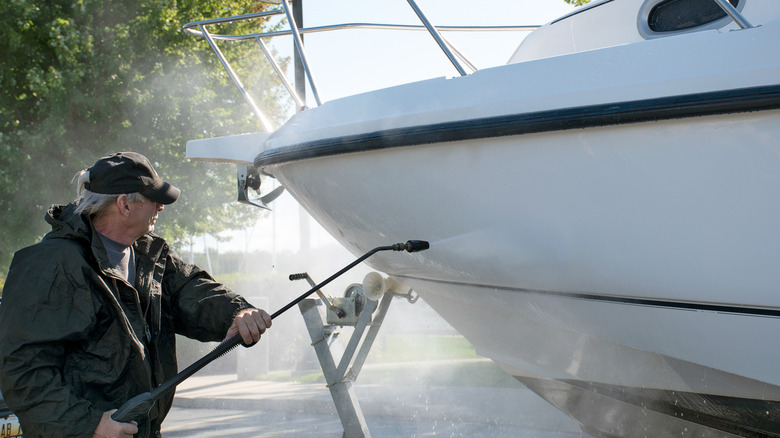
There is an invasion happening in American waters, and responsible boat owners are on the front lines of defense. Aquatic Invasive Species (AIS), also called aquatic nuisance species, include zebra and quagga mussels, rusty crayfish, New Zealand mudsnail and others. These critters are taking over your favorite lakes and rivers, wreaking havoc wherever they go. AIS outcompete native species, which impacts your fishing and harvesting opportunities, clog up irrigation channels, and reduce water quality. Species like invasive mussels also clog the dam infrastructure at the reservoirs you enjoy. Watercraft are the perfect vessels for these creatures to move from waterbody to waterbody. By inspecting and cleaning your boat after every use, you'll be helping limit the spread of these critters.
In addition to the regular spring boat maintenance you are used to doing every year, an ongoing habit of inspecting your craft for invasives, removing them, and fully cleaning and drying out your boat will help stop the spread of AIS. "Clean, drain, and dry" is the mantra of programs and organizations involved in combating invasives across the states. Because AIS attach to all the parts of your boat and trailer, hang out in your live wells and bilge tanks, and catch a ride on recreational and fishing equipment, all the nooks and crannies need to be cleaned. The US Fish and Wildlife Service recommends pressure washing the inside and outside of your boat with hot (at least 120 degrees Fahrenheit) water and flushing the motor with hot water as well.
Expect an inspection of your boat, kayak or paddleboard
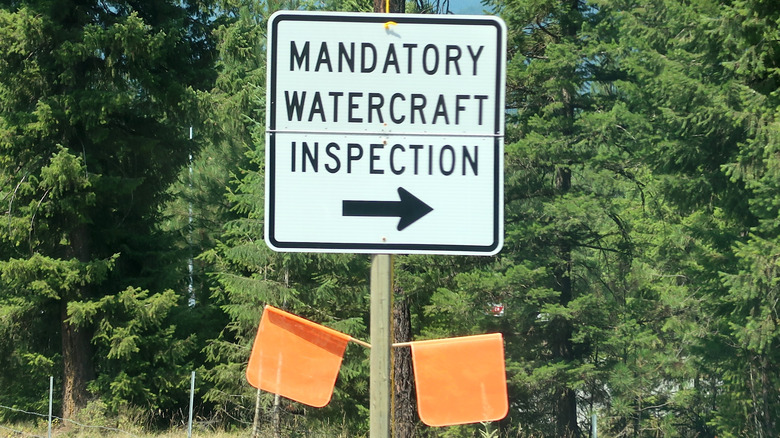
Inspection stations and requirements to combat AIS have been ramping up across the United States in recent years. Several states, including Idaho and Montana, require boat inspections when bringing your watercraft across state lines. Washington requires an AIS permit for boaters coming in from out of state. Colorado requires annual inspection and certification of motorized watercraft. Other states like New York focus on self-inspection and certification near sensitive waters. Some states like Minnesota operate free decontamination stations. Most state fish and wildlife departments have their AIS protocols clearly explained online, and usually have lists of locations where you can find boat inspection and or cleaning stations.
Motorized boats aren't the only vessels that need cleaning and could be subject to inspection. When choosing a kayak for your next adventure, remember you'll need to be cleaning it inside and out with hot water after each use, just like with motorized boats. Paddleboards can be scrubbed as shown in this Colorado Parks and Wildlife video. Some of the best spots for kayaking and paddleboarding are at national parks, and you can expect to encounter an inspection station or have to buy a special AIS permit at many park entrances or put-ins for non-motorized watercraft.
Once AIS have a foothold in a waterbody, they are almost impossible to eradicate. Doing your part to stop the spread by cleaning your vessel is critical to preserving the waters you love for boating and paddling for years to come.