

The Perfect Grass Alternative To Try If You Live In A Drier Climate
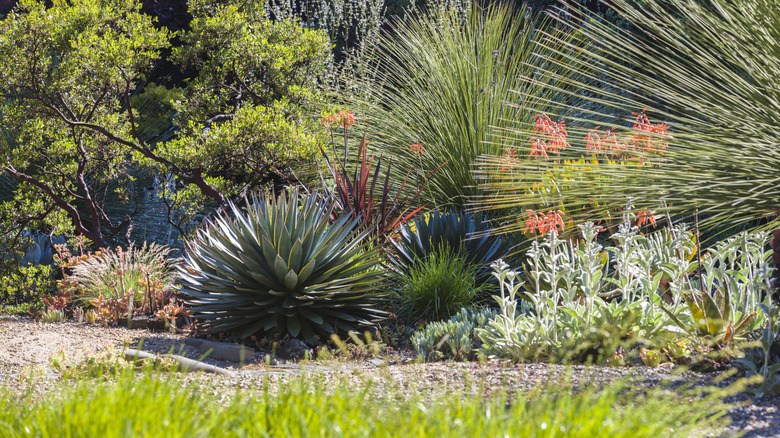
If you live in a desert or drought state, you're familiar with the drill already: parched yellow grass, astronomical water bills, and constant upkeep for something that hardly makes it through the summer. Traditional grass simply isn't up to the task. That's why homeowners are reconsidering what a "yard" should be — and it begins by eliminating the sprinklers.
Rather than battling nature, xeriscaping works with it, creating a no-mow garden. The method is all about landscaping that needs minimal watering. Don't think for a moment this means a barren and monochromatic landscape, though. Xeriscaped areas can be rich in texture and depth. They are designed to thrive precisely where you live. What's so attractive about it is the process: planting with native plants that have already acclimatized to regional weather patterns. The result is watching your plants flourish. It's also a matter of smart design. The layout of a xeriscaped lawn is not random; it's designed to make sure that each inch is useful. Some homeowners have seen a reduction of up to 75% in their water bills after making the switch, further adding to the popularity of xeriscaping.
You don't need to transform your yard overnight. It's okay to start small — converting a border of lawn along the side or implementing some water-saving treatments to the front yard. The trick is to start with the understanding that your outdoor space must function in the climate in which you are living, rather than against it.
Use xeriscaping to turn your yard into a desert oasis
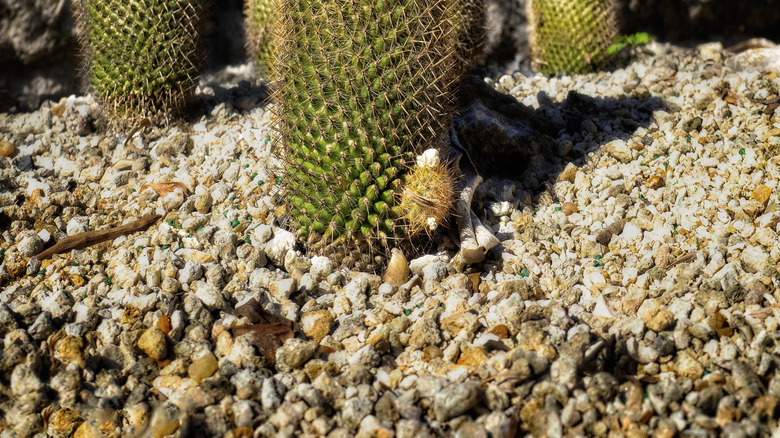
Once you break the habit of daily watering, the fun starts. Xeriscaping allows you to play without giving up curb appeal. From the sleek look of river rocks to splashes of color from desert flowers, the possibilities are limitless — and so are the outcomes.
Drought-tolerant vegetation such as hens and chicks, agave, juniper, and cacti are not only practical – they're design statements. These plants have adapted to the low-water conditions and can tolerate full sun, poor soil, and heat. Their sculptural forms and wide range of sizes offer visual interest that grass cannot compete with. And since you won't need to water them every weekend, you'll be liberating your weekends as well. And lastly, incorporating hardscaping – such as gravel beds – adds layers of texture and structure to your yard. And if you do use gravel, use landscape fabric to keep the area weed free. This isn't a matter of filling space with rocks, it's a matter of developing a living landscape with a narrative behind it, using components that have minimal to no maintenance. The end product is a front or back yard that appears intentional, not neglected.
Better still, some municipalities now provide incentives to homeowners who replace their lawns with xeriscaping. So, while your neighbors are fighting dead grass and sprinkler timers, you can be relaxing in a low-maintenance, earth-friendly space suited to your climate.