

Here's When To Expect Your Roses To Bloom
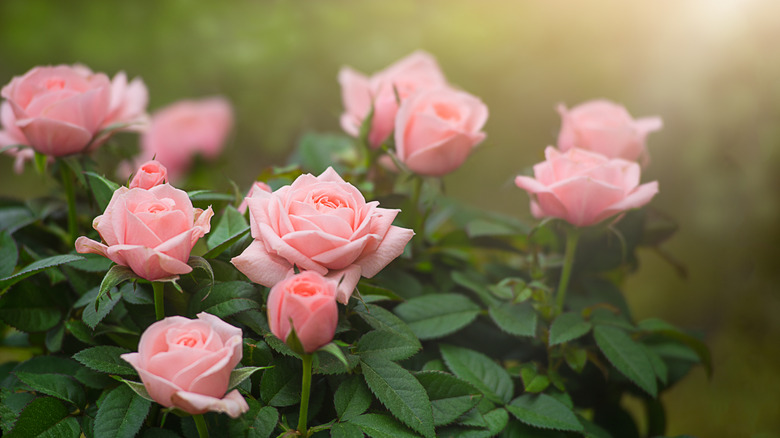
Roses are considered America's favorite flowers. But these sweet-smelling flowers aren't just wonderful gifts or signs of affection, they are popular to nurture and grow. Different rose varieties and cultivars can be grown somewhere within most of the United States, or USDA hardiness zones 4 – 11. However, the question many gardeners have is, when they can expect their roses to bloom? Of course, that's largely dictated by the variety and where the roses are being grown. However, a number of other factors can also impact bloom times, including the soil conditions, prevailing weather, and how you're pruning. Even things such as how often and when you water your roses, or how well you prepare your roses for harsh winter weather can impact when — and if — they bloom.
As a general rule of thumb, roses begin a bloom cycle shortly after the final frost for that region. The cycle can last six to eight weeks, or for a full season, depending on the variety and type of rose. So, knowing the final frost date for your area will give you a rough idea of when you'll start to see buds and then when blooms could appear, as it should be about two months after final frost.
That said, there are circumstances that can affect the bloom date. If roses were not correctly cared for during fall and were pruned heading into winter, it can delay bud formation. Likewise, rose bushes benefit from proper fertilization, which will boost bloom production. Prevailing weather conditions, which you cannot control, can also impact bloom cycles. What's more, some roses will even bloom multiple times in one season.
When to expect multiple blooms in a season
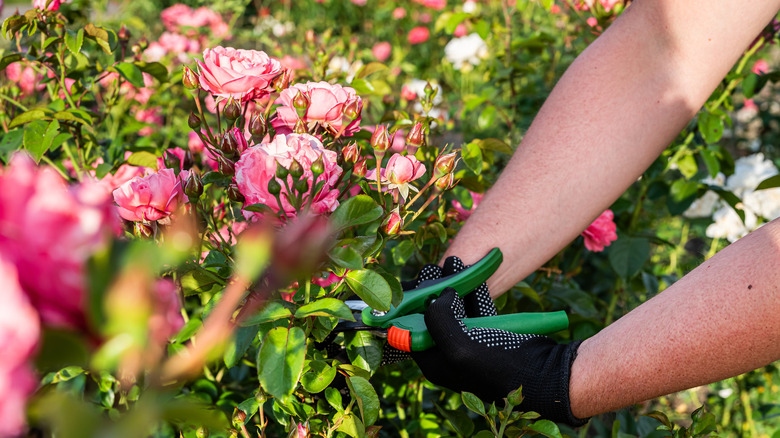
When and if you will see additional blooms on your rose bushes during a single season depends on the variety of rose which you are growing. Roses can be divided into three basic categories — once, twice, and repeat bloomers. There aren't many once-bloomers, but some popular species, such as the Carolina rose (Rosa carolina), are fairly common in parts of the country. As the name implies, rose species in the once-bloom category produce one round of flowers per season. But they don't bloom all at once, and often produce more, and longer lasting, blooms than other rose types during a season. Regardless of how many blooms they produce during that first cycle, they will not bloom again later in the season. Once the first cycle is done, they are through flowering for the year, and deadheading won't help.
Twice bloomers are the rarest of the bunch — Damask roses (Rosa x damascena) are probably the most well known — but they will give a repeat performance in late summer or early fall without intervention. The bulk of rose varieties and cultivars are repeat bloomers. These options are very popular largely because they continue to put forth blooms throughout the season. For repeat bloomers, it is possible to extend the blooming season even more by continuing to harvest roses or deadheading spent blooms.