

The Tasty Herb That Can Attract Beneficial Insects To Your Garden
Garden plants are beneficial in so many ways. Flowering plants add beauty and attract pollinators, vegetables provide their bounty of food, and herbs not only enhance our food, but help support an entire garden ecosystem. Some, such as lavender and basil, also repel mosquitoes naturally. Others are ideal for attracting the beneficial critters. Parsley (Petroselinum spp.) is one of those herbs that's well-loved by pollinators. Its flowers are a favorite for bees, for example, but that's just the beginning.
The plant attracts a number of beneficial insects and their offspring. Some love to munch on common garden pests, some are under-appreciated pollinators. Of course once you invite the pollinators, they're free to help other plants in your garden and around the neighborhood, creating a diverse ecosystem. The aromatic plant we use as seasoning also repels certain pests, especially asparagus beetles. This makes it parsley a wonderful companion plant that impacts your garden, planted among those delicious green stalks.
Parsley hosts generations of helpful bugs
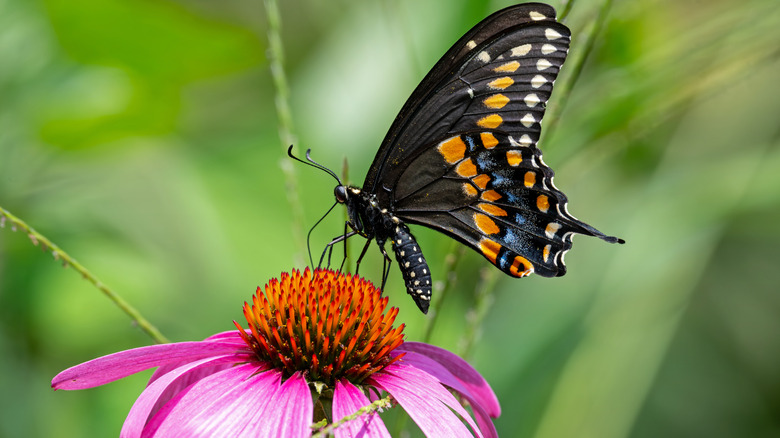
Parsley is a host plant for the black swallowtail butterfly (Papilio polyxenes) found in many parts of the United States. These stunning butterflies lay their eggs on parsley. As the caterpillars emerge, they eat parts of the host plant. Besides butterflies and bees, parsley attracts other beneficial insects such as hoverflies and parasitic wasps, each of which helps control unwanted pests such as aphids. In fact, a single hoverfly larvae can eat up to 400 aphids. Hoverflies are also considered one of the most important garden pollinators behind bees, particularly for wild and native plants in the U.S.
It's not just the bugs who benefit: Parsley is one of those fairly fuss-free plants that are great for beginning gardeners. It grows best in USDA Hardiness zones 2 through 11, but grows as as an annual in colder areas and a biennial in zone 5 or warmer. Plant it in well-draining but moist soil in an area that gets a decent amount of sun each day. In areas that experience very hot summers, choose a space that receives afternoon shade. This herb grows well in both garden beds and containers. It even grows well in hanging baskets if you're in the mood to try something a little different with your herb garden.
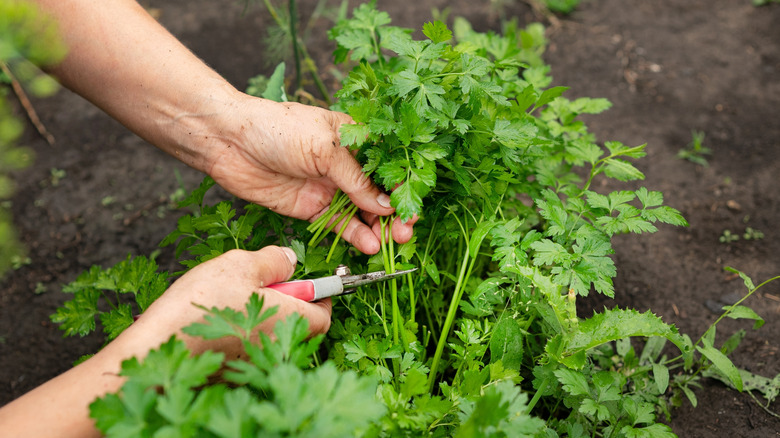
To help beneficial insects, plant extra parsley for them. This way if the swallowtail butterfly's caterpillars eat a bunch, you'll still have plenty left for yourself. If you find caterpillars on your parsley, just move them over to "theirs." Also, allow some of the plants to flower and go to seed. This way the pollinators have flowers to visit, and your parsley may re-plant itself through fallen seeds.