

How Much Hiking The PCT Really Costs In 2026
The allure of the Pacific Crest Trail draws in dreamers, backpackers, and others with 4 to 5 months to burn. The old rule of thumb that thru-hikes cost a dollar a mile long ago kicked rocks. For 2026, we estimate that the average thru-hiker will spend around $4.30 per mile covering the PCT. This is based on 2025 thru-hiker surveys via Halfway Anywhere, adjusted for inflation, tariffs on gear, and increased food costs. The survey found an average daily on‑trail spending of about $70, or $10,400 for the entire 2,650-mile trail. This cost estimate doesn't include initial gear: Most PCT hikers reported spending an average of $1,700 even before hitting the trail. Beginner thru-hikers tend to overpack and carry heavy equipment, so if you're just getting started, make sure to size your backpack according to your body and your hiking goals. or your costs could be unnecessarily higher.
Time spent off the trail, which is a necessary and delightful part of the experience, is a major pain point for many budgets. On average PCT hikers take 17 zero days (no miles hiked), and those can get spendy if they're in town. A proper shower and clean hotel sheets tempt even the hardiest of dirtbag hikers.
As a thru-hiker myself, I know it's easier said than done to skip a crunchy, fresh salad and smash burger than stick to my 50-cent Ramen packet. But a restaurant feast with drinks, splurging on foods you've spent miles craving, will quickly burn a hole in your hiking shorts. In fact, running out of money is one reason thru-hikers don't finish the PCT, or choose to break it into sections. Unplanned zero days due to injuries are also costly, and another reason to properly train for a thru-hike.
Why thru-hiking the PCT costs so much
Inflation of at least 2%, along with tariff-related manufacturing cost increases of about 7.7%, make one of America's crowning thru-hikes not as cheap as it once was. In addition, food spending may change once you're on the trail, depending on your resupply strategy and locations (on average PCT hikers resupply 30 times). Some people prepare mailed resupplies stocked with food they expect to enjoy, only to find they just can't stomach their 30th lemon-pepper tuna packet. Double-buying meals is a hard pill to swallow, but even more painful is needing to restock in small towns and remote general stores. Redditor joepagac on the r/PacificCrestTrail forum noted in 2024, "$1 tuna packet? Four bucks. And you've gotta pay it because there are no other options."
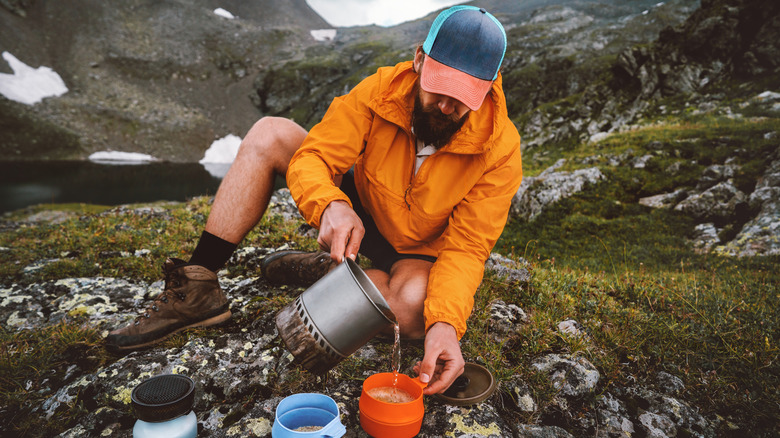
Commercially prepared backpacking meals cost about $15 to $20 per day. Prepping your own or piecing a meal together using bulk dry food cust the costs to around $5 to $12 per day. But don't forget "hiker hunger": Covering 20 or more miles each day require massive energy. Expect to burn, on average, 3,000 to 6,000 calories per day. And it's not just calories — All those miles burns holes in shoes and wears out gear. Most hikers wear through four to five pairs of shoes completing this trail, and it's common to repair or replace gear along the way.
In fact, time in town and transportation are where people really blow their budgets. It's important to note that transportation costs — both for you and any remote resupplies you're picking up along the way — are higher along the PCT. California and Washington regularly post the highest fuel costs in the country, so any bus, shared ride, or drop-off service you're using will cost more here than, say, along the Appalachian Trail.