

The Simple Soil Addition That Can Help Your Lavender Plants Thrive
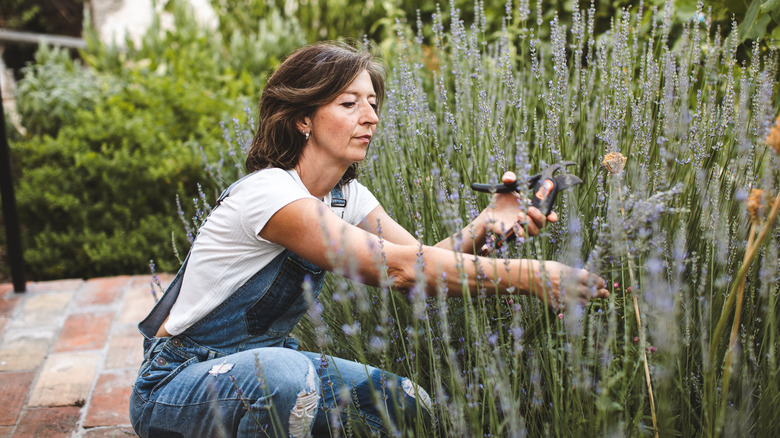
For those starting their herb garden, planting lavender (Lavandula spp.) can be an easy, low-maintenance way to add color and versatility to your lawn. While not as easily maintained as some fuss-free plants that are great for beginners — like snake plants which require almost no water — lavender is considered an easy plant to keep alive. Though easy to maintain, the perennial's blooms can be difficult to coax. Common issues such as overly leafy growth can plague new growers, but one simple tweak to your soil can have a rapid effect.
Adding sand or light gravel to your soil mixture, or buying soil with these elements already integrated into it, will help foster stunning lavender blooms. This addition helps effectively drain soil, preventing it from getting to soaked, and creating a slightly more alkaline environment fostering more abundant flowers. While there are multiple variations of the perennial, one of the most common is English lavender (Lavandula angustifolia), which thrives in Mediterranean environments. In the United States, it performs best in USDA Hardiness zones 5 through 8. While it can be slightly complicated to determine which hardiness zone you live in, there are several resources available to help — including the USDA's own plant hardiness map of the country — so you can see if you live somewhere that lavender will thrive.
Helping your lavender thrive for major benefits
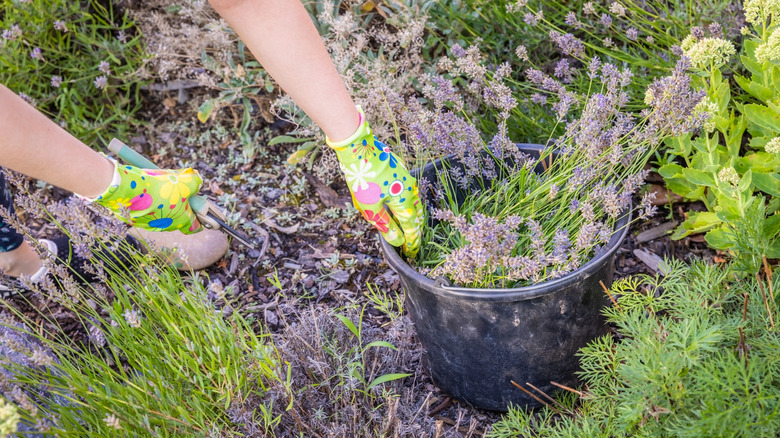
Essentially, a well-draining sandy soil stresses the plant slightly, directing its energy into blooms. Soil that's too fertile can result in fewer blooms. Soil that's too dense or clay-dominated can result in waterlogged roots.
Planting lavender, properly spaced, throughout your garden not only helps the plant flourish, but also acts as an insect deterrent. When first introducing the plant to your garden, it is important to keep it hydrated during the early stages of its growth. As the plant gets established, it becomes more drought resistant, making regular watering and maintenance less of a priority. Lavender becomes even more independent if you put in the work to develop a "poor," well-draining and slightly alkaline sandy soil.
Following raising your plants in sandy soil, the final step is harvesting your lavender just before flowers fully open, when the plant is at its aromatic peak. Once you have your harvested lavender, use it to put together colorful bouquets, or even for the plant's medicinal properties.