

The Worst (And The Best) Time To Climb Machu Picchu
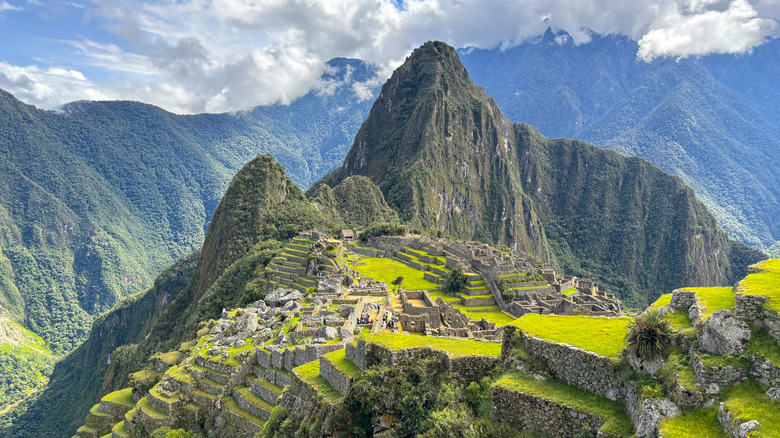
Hiking trails are best when they are dry and not muddy, puddled, or slick. So it's no surprise that the worst time to climb one of the trails to Machu Picchu is during the summer rainy season (generally November to March) in the Peruvian Andes. This time of year, you may also experience thick clouds and fog, making it hard to take in the hard-earned views along the way or see much beyond the 15th-century citadel, perched at nearly 8,000 feet.
Alternatively, the best time to climb Machu Picchu is during the dry season (April to October). But that's when the rest of the world will be joining you. Because Machu Picchu can be explored in many ways, it draws in roughly 1.6 million visitors annually, or over 4,000 people each day. One incredible way is by hiking one of the trails leading to Machu Picchu, like the classic Inca Trail. This trail requires a guide and is limited to 500 hikers per day (including porters, guides, and chefs). That makes securing permits to hike during peak tourism season (June through August) extra competitive. Many alternative and nearby routes like the Lares and Salkantay trails are less competitive, don't require guides, and offer just as rewarding a trek.
Arguably the shoulder seasons (April through May or September through October) offer the best of both seasons, without the worst of each. In particular, the second half of April or the first two weeks of October are sneakier times to go for it. These windows provide fewer crowds and better odds of friendly hiking weather. A blend of cool mornings and evenings and warm days and usually clear afternoon skies makes full days on your feet and significant elevation gain a little more pleasant.
What it will be like if you go during the worst times
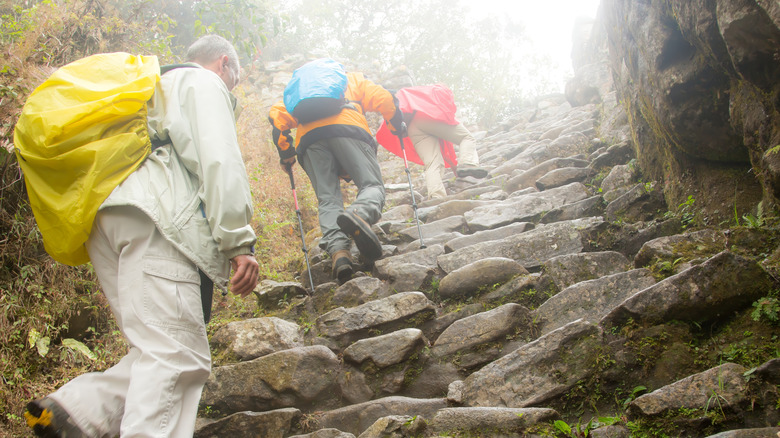
If the rainy season is your only available time to see this world wonder, know how to keep your gear dry, choose the best hiking boots for rain, and be ready to pivot your itinerary. Rainfall can come down hard, particularly in January and February. Torrential downpours can cause dangerous conditions that lead to trail closures and transportation delays. Erosion can be so destructive that washouts, landslides, and mudslides leave tourists and guides stranded. In worst-case scenarios these conditions can lead to injury, and death. Plus, the classic Inca Trail route to Machu Picchu closes for annual maintenance in February and may close intermittently for bridge repairs, washed-out trails, or heavy precipitation. Always check weather update apps and sites before heading out and up.
Of course, you could get lucky with only intermittent clouds and rain. What's nice is that the incredible biodiversity will be extra lush along the trail, and what awaits at the trail's end is still nothing short of amazing. 200 Inca Empire structures and impressive terraces provide a memorable experience despite the moody clouds.
Meanwhile, the "worst" of the best time to go — peak tourism months — will be wonderfully sunny and dry, but may feel a little like a theme park. Trails, scenic viewpoints, and popular photography spots get congested, and lodging prices are at their peak.
Proper preparation and awareness of the challenges you may face are key to a great hiking tour to Machu Picchu. Start planning your climb at least 8-10 months in advance to secure a guide, permits, transportation, lodging, and entry tickets to the site itself. If needed, brush up on your Spanish, prepare for some altitude sickness, and start training early for some serious mileage and elevation.