

Turn Your Yard Into A Hummingbird Haven With The Help Of An Easy-To-Grow Flower
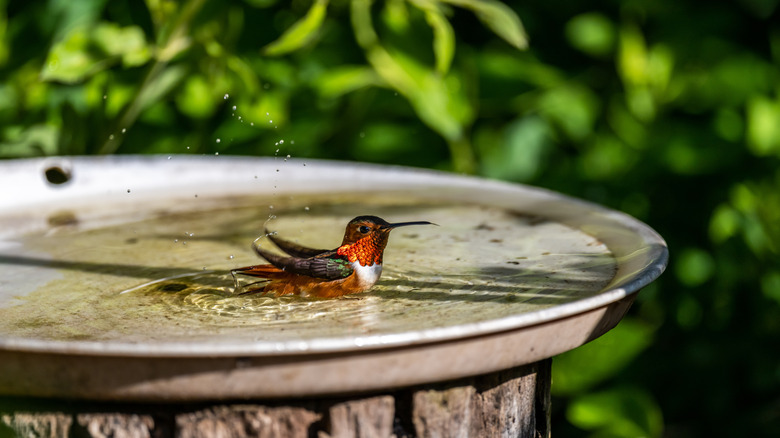
A yard full of hummingbirds, butterflies, and other pollinators is a yard full of life and beauty. If you want to create a hummingbird haven in your garden, first and foremost you need a reliable food source. There are many flowers and plants out there that these rapid flyers love, like any of these stunning plants that will attract hummingbirds to your garden. One easy-to-grow flower that adds a pop of bright yellow to your garden is the cup plant (Silphium perfoliatum). Also called the compass plant, it is native to the United States, part of the daisy family, and gets its name from the cup-shaped leaves that can hold water when it rains.
If you have always wanted a wildflower garden, or want to try your hand at chaos gardening, the cup plant is a great addition. The plant grows 6 to 9 feet high, producing bright yellow flowers that bloom for about four to six weeks, typically from July through September. In addition to attracting hummingbirds, other pollinators like butterflies, bees, and moths also love cup plants. It may even be a simple method for attracting more songbirds to your yard, since they also visit cup plants.
How to care for your cup plants so they thrive
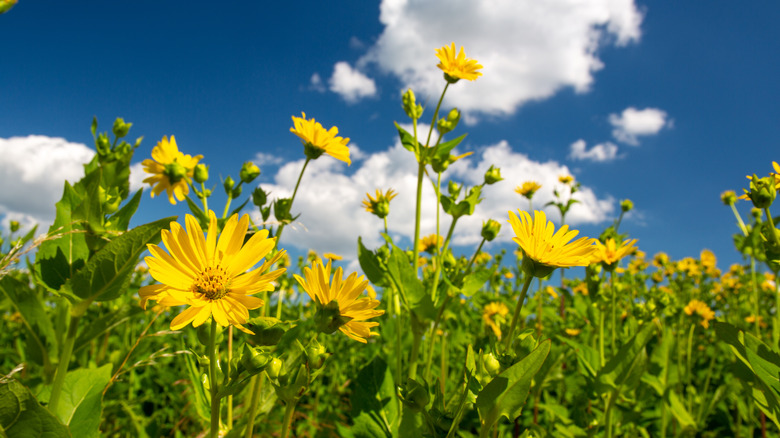
Cup plants are easy to care for, and since they are perennials, you can plant them once and enjoy them year after year. If you start your cup plants from seeds, be aware that you may not get any blooms the first season. This is perfectly normal and isn't an indication that anything is wrong. In fact, once established, they can self-seed — so you should have plenty of yellow blooms after a couple of seasons.
When you're ready to plant a few cup plants, look for a spot in the garden that has plenty of space to accommodate the plant's size. Make sure the spot you choose gets at least 6 to 8 hours of full sun each day. They can handle partial shade if necessary, but will do better in sunny locations. With hummingbirds, it's perfectly fine to plant cup plants near your porch or patio for a close-up view. The more flowers you plant, the more likely your feathered friends will visit and stick around.
Although cup plants can grow in a variety of soils, they do the best in those that are rich in clay and medium-to-wet when it comes to moisture. Planting in drier soil will result in a shorter cup plant, which can be helpful in a confined space, but be sure and avoid a major mistake when watering your garden by overwatering the plants. Because the cup plant is such a hardy plant in zones 3-9, it isn't necessary to fertilize. If you want to provide your plants with extra protection and nutrients, use compost instead.