

Prevent A Cockroach Infestation In Your Garden With These Maintenance Tips
We may receive a commission on purchases made from links.
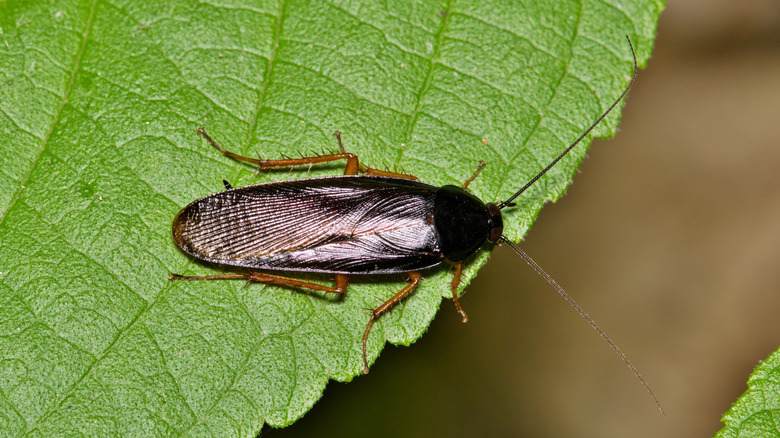
There are more than four dozen species of cockroach inhabiting the continental United States. All are generally unwelcome visitors to homes and gardens. While these various species range in size and shape, they all are attracted to, and deterred by, essentially the same things. Therefore, in order to prevent a cockroach infestation in your garden, you can follow the same steps to keep cockroaches away, regardless of which species is most prevalent in your area. Basically, this involves removing or limiting attractants while utilizing a variety of natural repellents.
Like all living creatures, cockroaches need the essentials — food, water, shelter — in order to survive. That means the first step in preventing a cockroach infestation in your garden is ensuring they can't find these elements in abundance. This starts with limiting or eliminating unnecessary sources of water. While cockroaches need both food and water to survive, they can live a fairly lengthy time without food — up to a month. However, they will die within a week without water. Dump cans, buckets and other containers holding water, fix leaking faucets, and fill in any holes or low spots where water pools long after the rains end.
Also keep in mind that cockroaches don't need pools of water to satiate their thirst. They often seek out humid areas with a lot of ambient moisture, largely because it helps keep them hydrated. With that in mind, avoid garden watering mistakes such as overwatering, and keep your shrubs and garden weeded and well pruned, ensuring these areas receive adequate airflow and sunlight.
Eliminate sources of food and shelter
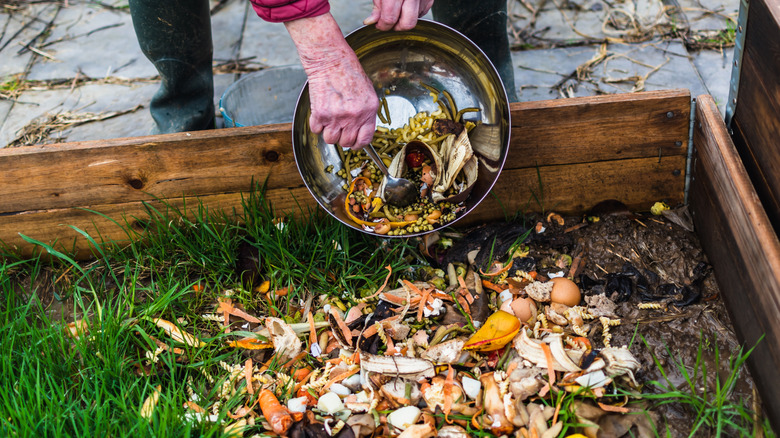
Cockroaches are not known to be discerning diners. In fact, they will eat all sorts of food and food-adjacent items. Given that a garden is literally growing food, it's obviously impossible to completely eliminate it as a dining option. However, there are a few things you can do to limit the attractiveness of it to cockroaches. One is to not utilize compost derived from food waste, especially if it is not completely broken down. Additionally, there are items you should never put in your compost bin, including meat and fish. Regardless of what you add to your pile or bin, make sure your are using correct composting procedures so all of the matter breaks down as quickly and efficiently as possible. Additionally, be sure your compost pile is in a place that is well away from both your home and garden.
Food may be available anywhere in the yard. Be sure and regularly clean your grill's grates, body, and ash catcher, as it can be a tempting source of meat, veggies, and grease. Furthermore, keep your garden free of fallen fruit, as decaying fruits and veggies are a powerful attractant to cockroaches.
Hiding places or shelter are also difficult to completely eliminate in a yard or garden. Cockroaches will make themselves at home in just about any type of layered material, including mulch, compost, and fallen leaves. While there are definitely benefits gardens glean from such materials, they should be utilized in a manner that minimizes their appeal to roaches. Primarily, this means avoiding overly thick layers and turning over leaves or replacing mulch on a regular basis.
Use natural repellents to dissuade cockroaches
In addition to removing or limiting attractants, there are a number of natural ways to discourage cockroaches from infesting your garden. One method is to grow cockroach-repelling companion plants, such as mint. Another effective natural measure is to routinely spray your garden with a liberal dose of mint solution, such as Mighty Mint insect and pest repellent peppermint oil.
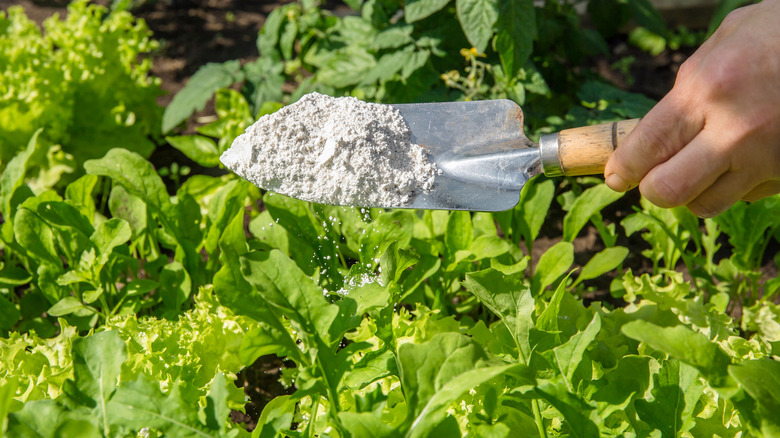
You can also sprinkle diatomaceous earth around your plants and throughout your garden. It's essentially ground-up fossilized skeletons of diatoms — microscopic creatures inhabiting seas, lakes, and moist soils. Because diatoms have skeletons made from silica, diatomaceous earth contains the drying agent silicate. When roaches digest it, it essentially absorbs the fluid from their body while the jagged stony bits grind up the pests both inside and out. This makes it a very effective, all-natural insecticide.
However, while you are trying to rid your garden of cockroaches, there are some insects you shouldn't kill, as they, themselves, will help keep the cockroach population down. Centipedes, praying mantises, and wasps are among the insects that feed on roaches and can assist in keeping them out of your garden. So, if you already have a healthy number of these hungry, beneficial insects, you may want to hold off on the diatomaceous earth unless you see a significant increase in roaches in your garden.