

Avoid This Common Mistake To Stay Safe Camping During Heavy Snow
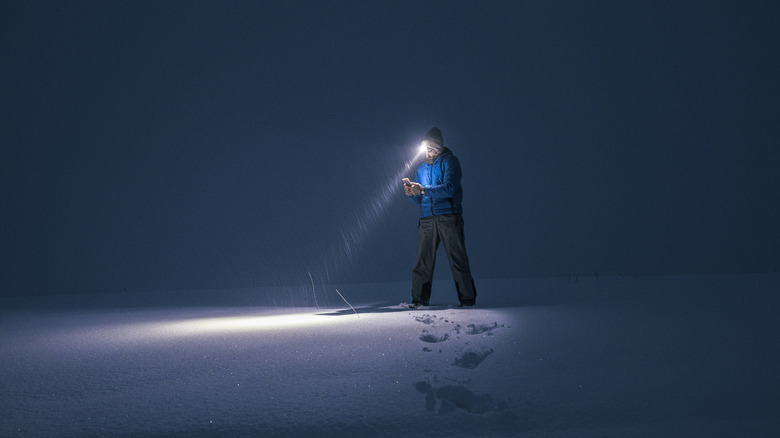
Camping in the winter can be a tranquil, uncrowded experience. However, it requires more planning, preparation, and essential winter camp gear to ensure everything is safe and pleasant. Winter weather can bring rapid temperature drops, fierce winds, and unexpected snow. In fact, snowstorms can happen even in the height of summer if you're camping at high enough elevations. The biggest mistake campers make during heavy snow is trying to walk back to the car, a lodge, or other distant structure in the storm (especially at night). This can be a fatal mistake, so it's best to stay calm, hunker down, and focus on staying warm and dry. Should a snowstorm descend on your campsite, don't panic and don't rush back to your car at the trailhead.
Just a few inches of snow can make staying on the trail difficult. Snowfall can also create low visibility, and trails and footprints disappear quickly. This disorientation increases the risk of injury, losing the trail, and getting cold and wet. Small missteps or underestimating fatigue, wetness, and wind quickly snowball during a whiteout and can lead to the worst-case scenario, hypothermia (be sure you know what to do). That is why it is best to stay put and focus on staying warm and sheltered.
Stay put and focus on being warm and dry
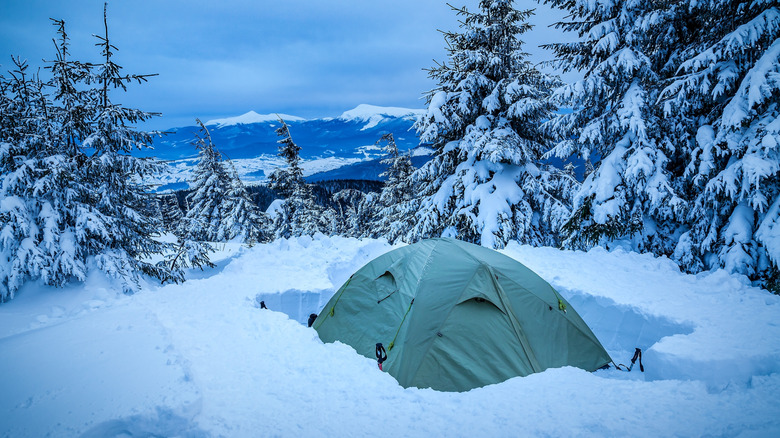
If you're hunkering down during heavy snow, check to make sure your tent is well staked into the ground. You may want to add rocks to the corners to help stabilize the tent if high winds come with the storm. If your campsite isn't sheltered, build a windbreak with tarps, branches, rocks, snow, or downed trees. Be cautious of overhead hazards like trees and limbs. Most tents are lightweight and may collapse under heavy snow, so regularly shake or wipe the tent to shed buildup (bat the sides from inside of the tent every hour or two).
To stay warm, bundle up in all your layers and use whatever you have to separate your body from the ground. Build a fire if possible. Make a pot of warm water to drink, and if you have a leakproof bottle, place warm water inside your sleeping bag for extra warmth (and to keep water from freezing). Keep phones, battery banks, and emergency locator devices close to your body. Once the storm passes, take your time. Hiking in cold, wet snow is a quick way to get exhausted and start making poor decisions.
Of course, the best thing to do before heading out for a winter overnight is to be prepared: always let someone back home know where you're going, and pack the right clothing and gear for a winter hike. Appropriate 3- or 4-season tents, insulated sleeping pads, and adequate sleeping bags are essential for staying dry and warm during a sudden snowstorm. Sleeping pad insulation is measured in R-value, and you'll want an R-5 or higher for an adequate thermal break from the ground. Sleeping bag manufacturers usually provide temperature ranges for their bags. If the forecast calls for temperatures low enough for snow, pack a bag rated to 20 degrees Fahrenheit or below.