

Ski And Snowboard Helmets: To Wear Or Not To Wear? Here's What Studies Say
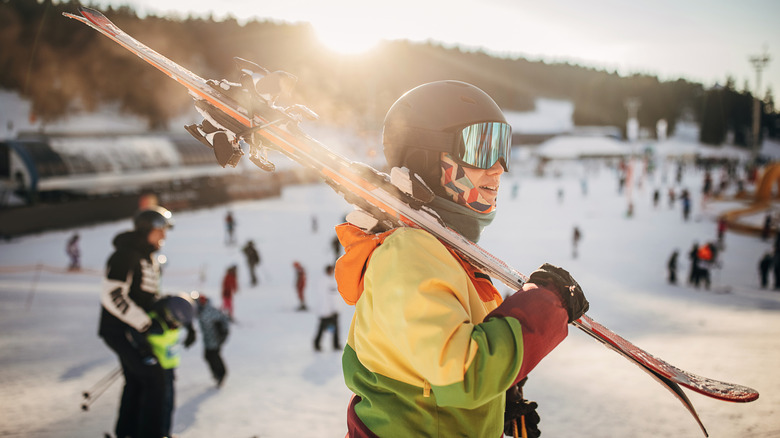
The exhilaration of skiing or snowboarding — you can feel as if you're flying. But things can get squirrelly or even traumatic in an instant. In all the blissful joy the sport can offer, it is easy to forget that purchasing a lift ticket requires a liability release form that includes signing off on understanding the risks of injury or death. With more helmeted riders and skiers every year — the percentage of skiers/snowboarders has skyrocketed from 25% 20 years ago to 90% now — we wanted to know if they actually work. Here's the takeaway from our deep dive: wear a helmet, but bear in mind it won't protect you in every scenario.
A Swiss study examined major-brand, snow-specific helmets that comply with a European safety standard. These helmets reduce the risk of brain injuries from impacts at speeds up to about 12 mph. Not bad, and generally good evidence to wear a helmet, especially for young and beginning skiers/riders. However, trauma injury researchers found that none of the tested helmets held up to extreme acceleration levels produced in high-speed scenarios, especially when rotational forces (think twisting and tumbling) or jumping were involved.
That's concerning because most skiers and snowboarders actually exceed the speeds for which current helmet standards are designed. One study reported that U.S. resort skiers and riders average around 21 mph. Another Swiss study conducted from 2019 to 2023 found that 75% traveled over 31 mph, and 18% reached speeds near 47 mph. Meanwhile, Olympic racers can top out at around 100 mph. So, even the best helmets may not provide sufficient protection in the event of an accident at common speeds. That's why it is crucial to follow any and all tips for skiing safely, particularly choosing terrain within your skill level, being aware of your surroundings, and staying in control.
Why experts say you should still wear a helmet
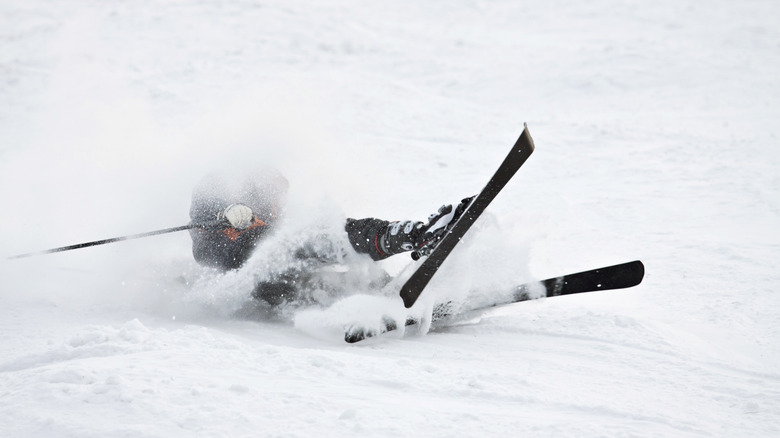
Just because helmets have their limits at high speeds doesn't mean they shouldn't be part of your gear to start skiing. Every skier/rider, no matter their skill or experience, is capable of overestimating their ability, misreading the terrain, losing control, and tumbling hard and fast. Another common scenario: skiers and riders fail to pay attention to their surroundings and do not maneuver around other skiers/riders, fixed objects like poles or trees, or merge safely. In these common scenarios where most head injuries occur, studies confirm that helmets reduce the risk and severity of head injuries. Data show that helmeted skiers and riders experience fewer skull fractures, fewer serious intracranial injuries, and lower rates of hospital admission for head trauma than those without helmets. The research review also finds no evidence that wearing a helmet increases risk-taking behavior or raises the risk of neck or cervical spine injury.
Because traumatic brain injury accounts for a large share of skiing and snowboarding deaths and hospitalizations, it's no surprise that some states and countries have laws requiring them, and many health and safety guidelines recommend that all skiers and snowboarders wear helmets to reduce the incidence and severity of head injury. The helmet should be the right type and worn correctly. Buy or rent a snow-sport specific helmet that meets safety standards (look for codes like ASTM F2040 or CE EN 1077 on the helmet or box). Helmets are one of those gear items we don't recommend buying used. Most helmets aren't designed for multiple impacts, and there's often no safe way of knowing. Your helmet should fit snugly, integrate well with goggles, and secure with a properly adjusted chin strap. No helmet will make you invincible at high speeds, but wearing a well-fitted, certified ski or snowboard helmet is one of the best safety steps you can take on the mountain.