

High Wind Warnings: How To Prepare Your Garden For Intense Weather
We may receive a commission on purchases made from links.
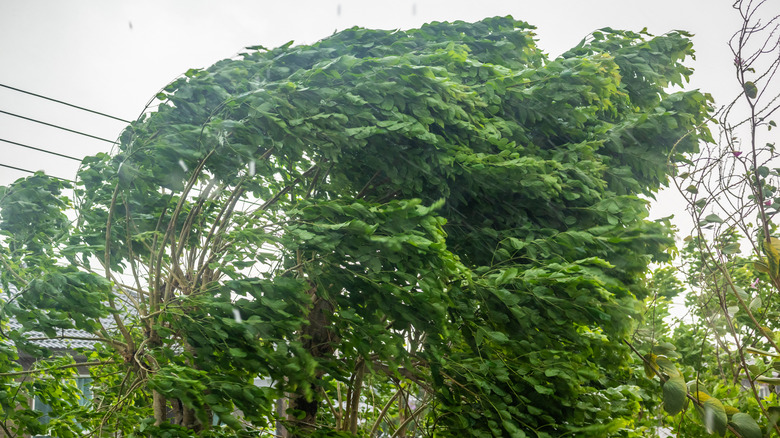
Dealing with the the after-effects of heavy rain on gardens is a fairly common issue. As the seasons change, gardeners often need to think of ways to protect their late-season crops from frost and freezes. However, one intense weather condition that can damage garden crops is commonly overlooked. High winds can happen throughout the year and wreak havoc on gardens that are not properly prepared. With that in mind, it is important for gardeners to monitor for weather warnings and take steps to protect their plants.
There are a handful of notifications regarding strong winds issued by the National Weather Service. The most serious is a high wind warning, issued when severely strong, sustained winds are expected. A high wind watch just means such wind conditions are possible. If the wind speeds are potentially damaging, but not quite strong enough for a high wind warning, NWS will issue a wind advisory. In areas near large bodies of water, a gale warning is issued when sustained winds are expected to be between 39 and 55 miles per hour. All these situations warrant attention when protecting your garden.
In addition to advisories, watches, and warnings, which deal strictly with wind conditions, there are other types of notifications that include high winds within intense weather events. A dust storm warning indicates reduced visibility as a result of winds in excess of 30 mph blowing dust or sand. Severe thunderstorm warnings are issued for imminent storms that include not just intense rain and lightning (and possibly hail), but also winds in the upper 50s or higher. Severe thunderstorm watches mean such a storm is possible. In each situation, you need to protect your plants from the high winds as well as the additional weather elements.
Plan ahead to protect your garden from high winds
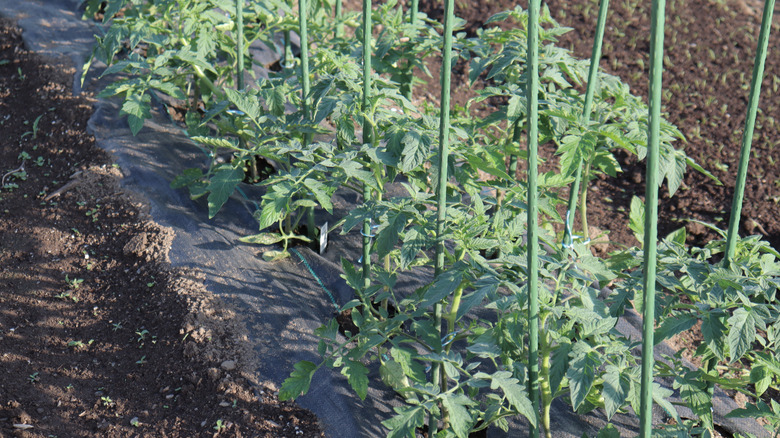
In order to help your plants make it through intense weather unscathed, there are some things you can do well in advance so your garden is always in a state of readiness. From the very beginning, you can plan your garden with the weather in mind. To deal with wind, plant companion plants, like corn, that can help shelter more fragile crops when high wind hits. You can also erect wind screens to help lessen the impact. These should be partially permeable, allowing some wind through, as a solid structure can cause strong, swirling winds on the lee side. Long-term wind screens can be natural, such as bushes or hedges, or made from a permeable fabric like the Windscreen Supply Co. mesh tarp cloth.
Other things you can do to make your garden weather-ready include providing support for climbing, tall, or top heavy plants, tying stalks, branches and vines to the support at regular intervals. A trellis can provide support for delicate vegetable vines. Stakes and cones can also be used, even on plants that don't normally need the extra support. Additionally, smaller plants can be encircled with chicken wire or wire mesh. It is also helpful to secure the plants to the support with zip ties or twine.
Another way to stay ready is to keep the trees near your garden trimmed. Regularly inspect any overhanging branches and prune as needed. If they appear weak, damaged, or dead, remove them. Routine trimming and pruning throughout the year can save you a lot of last-minute labor, and help prevent branches from breaking off and crashing into your garden during a high wind event.
Last-minute steps when intense weather is on the way
Even if you have taken long-term steps to protect your garden, there are additional measures when you know an intense weather event is inevitable. When an alert is issued, go through your yard and garden, picking up any small objects that could go airborne in gusty winds. Secure or move lawn furniture, grills, and other large objects. This is somewhat similar to how you prepare for a hurricane, in that you need to pick up, move, or secure anything that could potentially land in your garden and damage the plants.
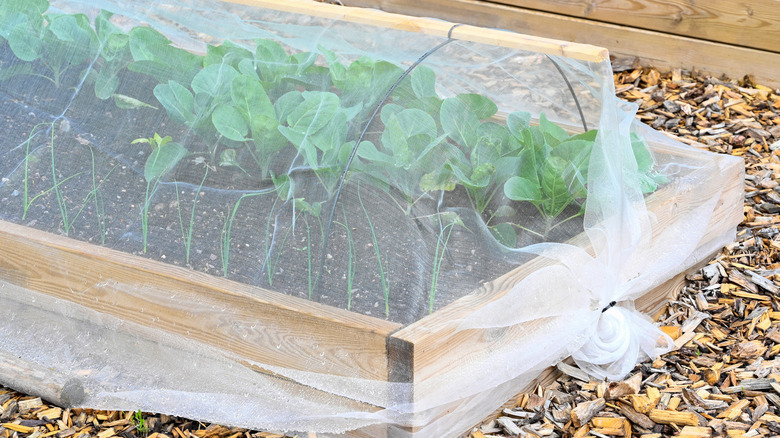
Next, cover your plants. Heavy, breathable row cover cloth can protect them as long as it is suspended above the plants on a solid frame and secured at the base with stakes or heavy objects. This cover can also buffer the impact of heavy rain and hail. If you know large hail is expected, solid objects such as potting containers, boxes, trash cans, and tables provide even more protection. However, it is essential these items be secured in place, so they don't tip or get picked up by wine and cause even more damage. Regardless of what was used to cover the plants, these covers should be removed immediately once the storm passes.
Finally, if the intense weather event is expected to include heavy rain, you need to make sure your garden is draining properly. This may requiring aeration if the soil is compacted. Make sure excess water is able to drain away efficiently by clearing any ditches or runoff channels of debris or mounded soil. Good drainage is important not only for in-ground gardens, but also potted plants and raised gardens.