

Repurpose Plastic Nursery Pots To Help Keep Earwigs Away From Your Plants
We may receive a commission on purchases made from links.
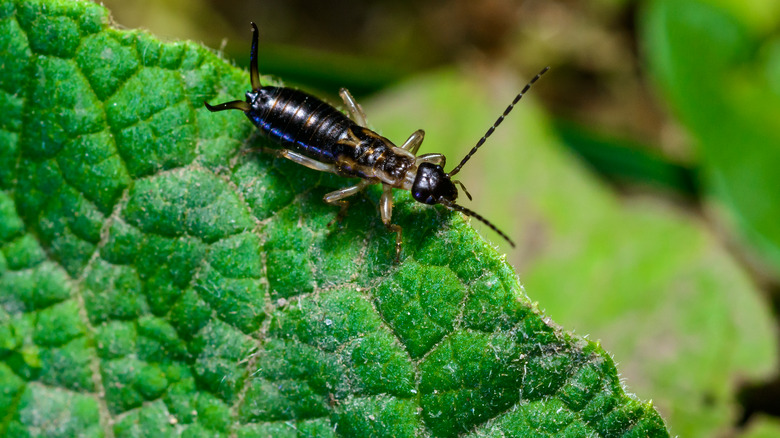
One of the biggest challenges gardeners face is protecting tender seedlings from insects. In hours, pests can transform a patch of new growth into barren soil. One such offender is the earwig, a nearly 1-inch-long insect easily recognized by the pincers at the end of its body. Found on every continent except Antarctica, these formidable-looking bugs can be beneficial by feeding on aphids and insect eggs. However, they're also notorious for munching on seedlings such as cucumbers, zinnias, and marigolds. In some cases, they'll chew them completely to the ground, leaving no trace of what was there.
These nocturnal munchers may be tricky to pin down as the cause of your garden woes, though, since they can be hard to spot. During the day, they hide in cool, moist places, such as underneath mulch or yard debris. But since they forage at night, all it takes is a quick trip into the garden after dark with a flashlight to catch them at work. Thankfully, you can keep these pests out of your garden by employing two gardening hacks using a common item: leftover plastic nursery pots with drainage holes.
For the first, you'll utilize one of these pots, some water, cooking oil, a bit of soy sauce, dish soap, and a small, water-tight container. For the second, you'll need a pot, straw, twine, a short and sturdy stick, a pair of wire cutters, and some chicken wire. You may also want a pair of gardening gloves to protect your hands. By making these traps, you can avoid a common gardening mistakes — not having a plan. Taking time to chart a successful path for your garden can result in a wonderful garden bounty.
How to incorporate these earwig traps into your garden
To make the first trap, dig a hole in your garden big enough for your container and place it in the hole so it's rim is flush with the dirt. Next, fill the container about a third full with water, then add a layer of vegetable oil on top, followed by about 2 tablespoons of soy sauce. Finally, place your nursery pot with drainage holes over top of it. Earwigs attracted to the food source will wade into the oil and drown. Once dead, simply dump the oil and bugs into the trash.
Some gardeners use the second trap-making technique to create a simple earwig hotel to intentionally attract these insects to their garden to help control other pests. This method also works for reducing their numbers when they become a problem. To make it, place your pot upside down. Tie a string around the stick, knot it and thread the rope through a center hole in your pot, pulling it so the branch is snug against the inside bottom of the pot. This will allow you to hang the pot upside down. Press some straw into the pot, giving the earwigs a place to hide. Secure the straw inside by fitting chicken wire over the pot and fold the edges of the wire over the sides, bending them to secure it. Finally, hang your completed trap near your garden from a fence post or shepherd's hook. You can submerge the trap in a bucket of soapy water to drown any earwigs, then dispose of the soaked straw and bugs in your trash can. After just a few nights, you'll likely notice significantly fewer earwigs in your garden.