

If Your Neighbor Has Landscaping Features That Are Causing Floods In Your Yard, Here's What You Can Do
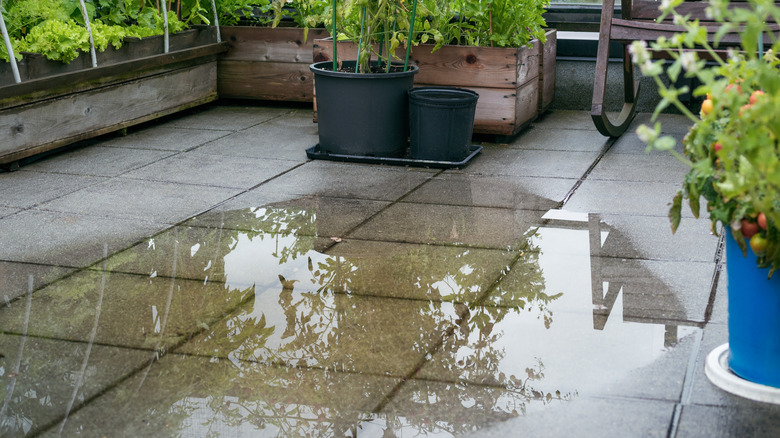
Stormwater is a tricky thing to manage. There are entire city and county departments full of engineers and planners dedicated to ensuring that the rain falling on streets, parking lots, and roofs doesn't end up flooding homes and businesses. Federal, state, and local regulations are designed to prevent stormwater runoff during the construction of new homes, requiring grading that won't create downstream flooding, and encouraging the use of permeable pavement, bioswales, and rain gardens to allow water to be absorbed where it lands.
However, all bets are off once folks move into their houses, as all of that careful planning and thoughtful development could be out the window when homeowners regrade their yards, add hard surfaces like patios, or fail to maintain the drainage systems provided to them. This could mean more flooding in your own yard, especially if you live downstream.
Preventing flooding from neighbors or dealing with it on your own property will require some work. Your neighbor may not even know that what they are doing (or not doing) could be causing problems. Stormwater permits, which require local government review to ensure any landscaping activities aren't creating flood hazards, are usually only required if you disturb over an acre of land. Smaller disturbances, like installing a DIY backyard patio, may not always be regulated, but they can still become a big problem if rain collects on these hard surfaces and runs off into your yard.
Actions to protect yourself and deal with all that water
Your homeowner's policy probably doesn't cover flood damage from a neighbor, so think about adding a flood policy if this is a rising concern. Even if you aren't insured, in most cases, your neighbor will be liable for any flood damage they cause on your property. But proving their negligence depends on you taking some critical steps. You'll need to keep a record of all the flooding you experience using photos and videos, and document any conversations you have with your neighbor or HOA by writing formal letters describing them and the problem.
The prospect of suing a neighbor is not a fun one, so before building your case (and hiring an expensive lawyer), try simply talking to your neighbor about the problem and troubleshooting solutions. There are plenty of resources to inform this conversation, like this pamphlet from the Pennsylvania Housing Research Center or information from the Environmental Protection Agency.
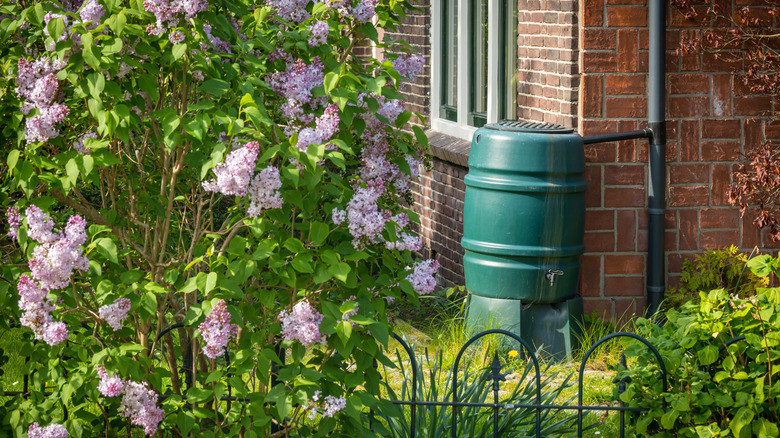
There are also some practical solutions that you and your neighbor can put in place. Consider installing a French drain that will collect and remove water where it may be pooling. Creating a rain garden is a beautiful and sustainable solution for issues with excess water, and your local government may have resources to help design one. If roof runoff is a problem, you could ask your neighbor to connect their downspout to a rain barrel to collect water they can later reuse in their garden. If you have an HOA or neighborhood group, ask them to host a public education session with local stormwater experts to talk about everyone's roles and responsibilities in managing runoff. You may not be the only one experiencing this issue.