

How Native Plants Can Help Prevent Your Yard From Flooding During Heavy Rain
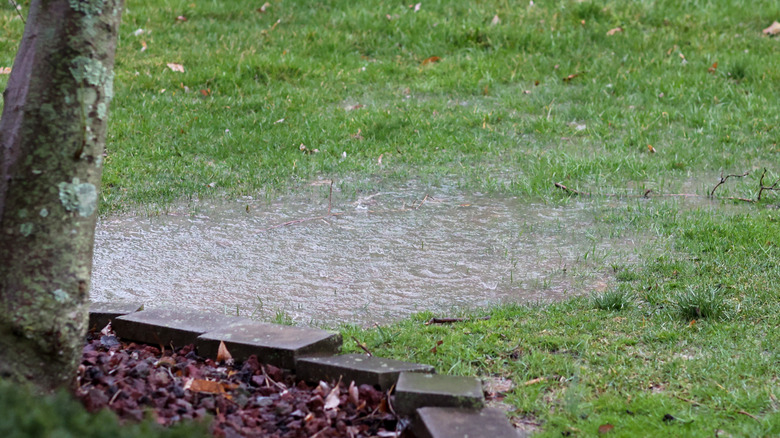
Extreme precipitation events are becoming increasingly common every year. If you experience frequent heavy rains, it's important to know the dos and don'ts of yard care afterward. With urban and suburban areas covered in impervious surfaces like concrete, roofs, and asphalt, heavy rainfall has fewer places to drain into the ground. This channels water into smaller areas at faster speeds and traps it on the surface, leading to flooding. In residential areas, rainfall typically flows to low points, such as depressions in lawns, or finds its way to storm drains or ditches. Ideally, rainfall should be absorbed into the ground rather than flowing into waterways. Native plants do a better job than lawns of absorbing rainfall and percolating water into the ground.
Flooding occurs when there isn't enough capacity for water to slow, soak in, or spread across larger areas. This can deposit sediment on top of your grass, strip lawns of soil, fertilizers, and herbicides, and pick up pollutants. This runoff can lead to sedimentation and pollute nearby lakes, rivers, and streams. It also prevents soil and plants from absorbing moisture, leaving gardens and lawns waterlogged and suffocating vegetation.
Sudden heavy rain is like trying to drink water from a firehose — the volume is too much for lawns and compacted soil to absorb. Sure, your lawn loves a good rainfall, but generally turf grasses have shallow roots, about 2 to 3 inches deep, and compacted soil beneath them. Shallow roots and compacted soil don't support absorption of heavy rainfall and often drain poorly. Native plants, however, are naturally adapted to your region's rainfall patterns.
Why native plants work
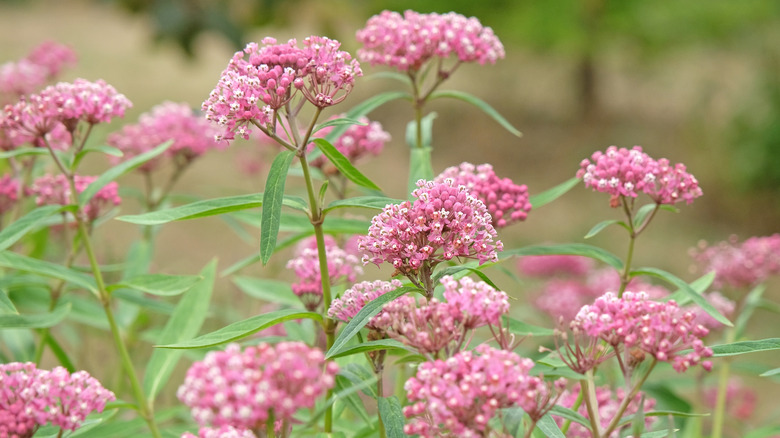
Native plants are species that naturally occur in a region and have evolved for thousands of years. This means they are uniquely adapted to the climate and soil, requiring little help to grow and thrive in your yard. Native plants handle heavy rains better than typical turf lawns for a few reasons. When rain falls on native vegetation, the greenery, stems, and canopy help slow its velocity. Water that isn't intercepted moves more slowly into the ground, giving soil more time to absorb it.
Native plants also tend to have deeper and more complex root systems than lawn grasses. These fibrous root systems allow rainfall to infiltrate the soil rather than run off its surface. They improve soil structure and create underground pathways that store water rather than allowing it to flood your property.
This natural filtration system not only mitigates flooding but also helps reduce runoff pollution. If soil, fertilizers, herbicides, and pesticides reach local waterways, they can toxify the waters and kill native plants and species. Native plants slow the movement of water and allow it to percolate into the soil. Once you establish these plants or install a rain garden, you'll likely experience fewer flooding issues. Replacing sections of your lawn and garden with native plants can reduce your property's upkeep and improve drainage and stormwater management. They are resilient, self-sustaining, and perfectly at home in your climate.
How native plants mimic nature's designs
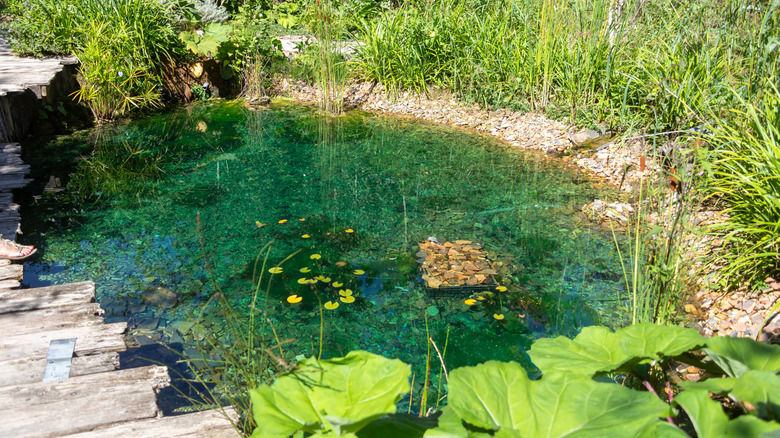
If heavy rainfall is typical in your climate, native plants that evolved in those conditions handle the moisture far better than lawn grasses. If marshes, bogs, or wetlands occur naturally in your region, that's a sign your soggy yard could benefit from a redesign. Adding native wetland species such as milkweed, sedges, and blue flag iris creates a natural sponge for heavy rain and flooding. By mimicking local ecosystems, your yard will be able to tolerate being inundated with inches of water, remain stable, and provide a valuable habitat for native animals and pollinators. Plus, native plants don't need as much human involvement to grow and thrive. Find your local nursery or university extension office and ask about native plants that are suitable for areas prone to heavy rainfall or flooding.
If you're not ready to entirely give up your lawn and go for a no-mow alternative landscape, start by creating a stormwater garden. Install it where water naturally pools after heavy rain, or grade your lawn so runoff flows toward the rain garden. This area should be lower than your lawn, like a shallow and wide basin about 18 to 30 inches below grade, so the rainwater drains to this spot and not your lawn. Build your rain garden well away from building foundations, septic systems, and other drainage problem areas. Finally, size it to be roughly 20%-30% of the area draining into it.