

Why You May Want To Reconsider Installing Metal Roofing On Your Home
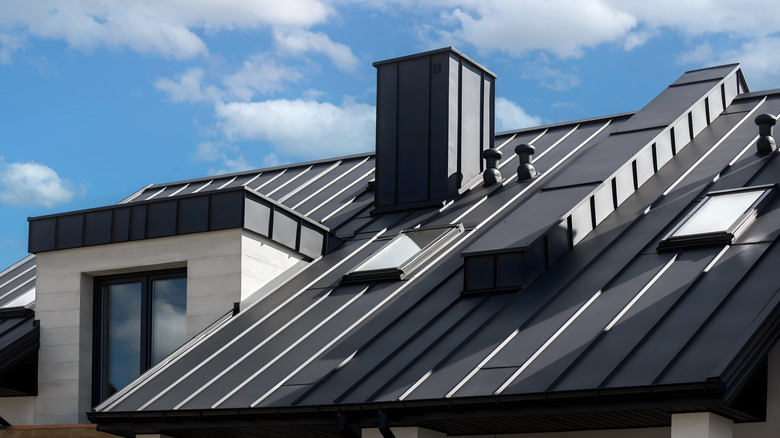
One of the most vital and nerve-wracking aspects of homeownership is roof maintenance. At some point, patching leaks and replacing shingles gets old. In fact, the average roof only lasts about 20 years. If you're seeing signs it's time to replace your roof, it may be tempting to look at metal roofs. They last twice as long as average, they're energy efficient, and in general don't require maintenance as frequently. But there are drawbacks worth noting. Metal roofs cost significantly more than most alternatives. They can get damaged by hail or falling branches, and repairs are costly. And they are temperature-sensitive, expanding and contracting with the seasons, potentially warping.
Metal roofs are pretty common houses in rural areas and in regions with extreme conditions (particularly along saltwater coasts and in snowy mountain regions). You tend to see them less so in the suburbs where shakes, shingles, and clay/ceramic tiles dominate. In part, that's because many strict HOAs still ban metal roofing, though this seems to be changing as roofing materials evolve. All that said, despite their durability (metal roofs fare much better during high wind storms and hurricanes), it's worth exploring why you may want to reconsider that metal roof.
Metal roofs are expensive, noisy, and can get damaged
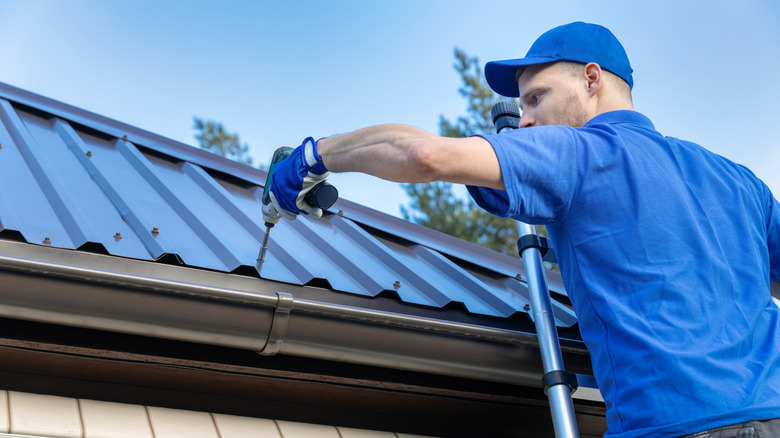
One of the big draws of metal roofs is that people tend to believe that they require less maintenance than shingle roofs. This is not necessarily true. Metal roofs expand and contract during weather changes. If they aren't properly installed for conditions, this seasonal movement can loosen fasteners, and panels may warp, necessitating costly repairs. Avoid this by hiring experienced, well-rated installation pros.
Metal roofs are also much more expensive and tend to cost two to three times more for materials and installation. As such, repairs get pricey: Metal roofs — especially those using large panels — are prone to denting and damage when faced with heavy impacts, whether that's a hail storm, falling branches, or mischievous kids. Since the metal used is often soft (think aluminum or copper), those dents can really affect appearances. However, these roofs do last much longer than shingle roofs. The average metal roof will hold for between 40 and 80 years, which means you might never have to replace it if you're lucky. Just remember to clean those gutters each year, as this can help avoid additional roof damage.
There are also aesthetic issues to keep in mind. Protective coatings against rust may need to be reapplied every few years if coastal salt air or extreme weather is an issue. They get noisy during heavy storms or if critters regularly scramble across them (keep up on this common yard maintenance task to help deter squirrels and raccoons from clambering onto your roof). Finally, color matching can become an issue if you need to replace panels, as remaining panels fade in the sun. Since it costs between $1,700 and $3,000 to paint a metal roof, this is an important consideration.