

Must-Know Signs Of Hypothermia Before Hiking Or Camping During The Winter Months
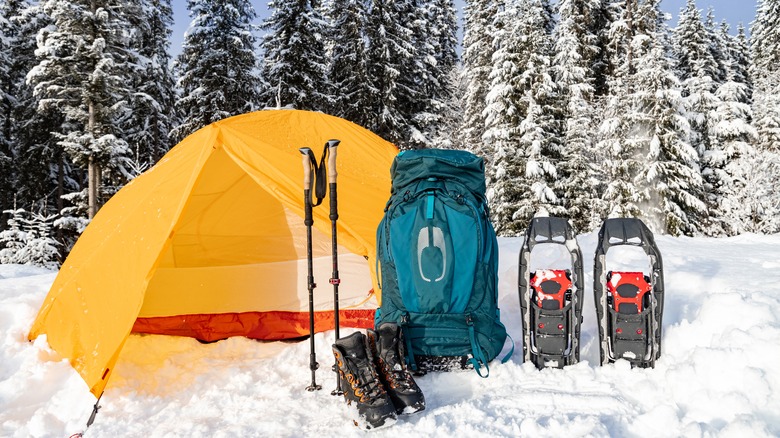
We may receive a commission on purchases made from links.
Hypothermia is one of the most common ways people die in the wilderness. While prevention is always the best way to stay safe, recognizing the signs of hypothermia and knowing how to properly respond are critical for preventing serious injury and even death. With that in mind, there are some must-know signs of hypothermia you should be familiar with before hiking or camping during the winter months.
In simple terms, hypothermia is low body temperature, although it doesn't need to be as low as people imagine. Any body temperature below 95 degrees is technically considered hypothermic. Symptoms will emerge when the body begins to chill, though they're not always the most noticeable. At the early stage of mild hypothermia, which is when the body's temperature is between 89 and 95 degrees, people may experience prodromal indications that are easy to ignore, like shivering, teeth chattering, rapid breathing, exhaustion, or sleepiness. However, they also may have symptoms that can readily point to possible danger, such as confusion, slow reactions, uncoordinated movement, trouble speaking, and poor judgment.
If something is not done to warm the body at this point, the temperature will continue to decline, and the symptoms will become more severe. When someone reaches moderate hypothermia (a body temperature between 82 and 89 degrees), their heartbeat and breathing become weak, their mental faculties become impaired, their muscles stiffen, and their skin begins to turn a faint blue. Additionally, hallucinations may start and shivering may actually lessen, and they might even lose consciousness. As the decline continues and they enter advanced hypothermia, their body typically stops shivering, they start losing muscle control, and their lungs begin to fill with fluid. Often a they will become comatose, and death is a very real possibility.
How you can prevent and respond to hypothermia
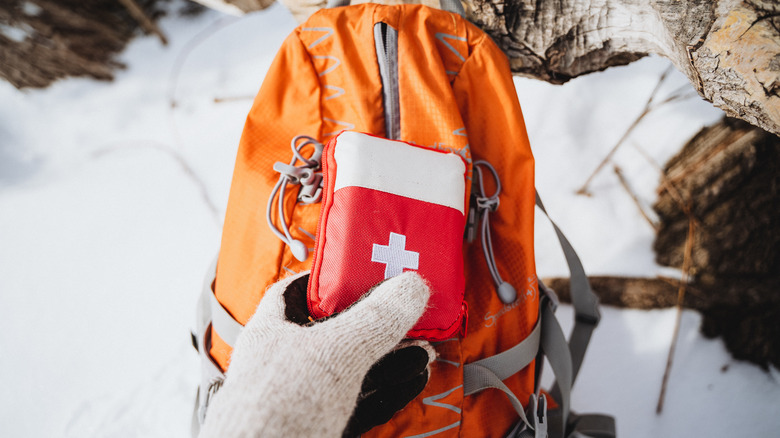
Those who are inexperienced adventuring in the outdoors during winter are among the most vulnerable to hypothermia. Often, this is because they are ill-prepared. It is important to dress properly for hiking in the winter – or any time you are spending time outdoors in cold weather. This applies even if the temperatures are not below freezing. The best protocol involves dressing in layers, which are more efficient at retaining heat and allow you to adjust as the temperature changes by removing or adding layers. Additionally, you should make sure at least one of those layers is windproof and waterproof. Blocking the wind can greatly reduce the loss of body heat, as can staying dry.
Should you spot any of the symptoms of hypothermia, you should take action immediately. The first step is to get into some sort of shelter. Depending on the circumstance, this may be a house, building, vehicle, tent, or protected area outdoors. Next, remove any wet clothing or footwear, then work on warming the victim. Warming the center of the body, which includes the head, neck, chest, and groin, is the most critical. You can utilize layers of dry clothing and blankets or a packable mylar blanket, such as the Don't Die in the Woods Emergency Blanket. These items are among the emergency supplies that can save your life when adventuring outdoors in the winter.
Providing the individual with warm, non-alcoholic drinks can also help raise their body temperature. However, you should only attempt to give someone drinks if they are conscious and coherent. You should also never use direct heat sources like hot water or heating pads to warm the hypothermia victim. Once they are stabilized, continue to keep the person warm and dry, and seek medical attention as soon as possible.