

Enjoy Incredible Hiking And Rock Climbing At A Must-Visit Nevada Destination
We may receive a commission on purchases made from links.
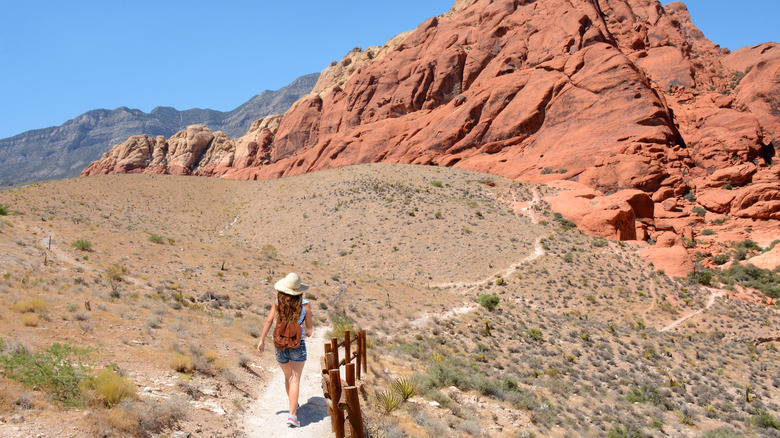
Las Vegas Boulevard is famous for its rollicking nightlife, bustling casinos, and glowing neon cityscape, but the area outside the city is quite different. In fact, less than 20 miles from this crowded corridor is a vast federal preserve that offers incredible hiking and rock climbing opportunities. Visitors to Red Rock Canyon National Conservation Area can enjoy these and a myriad of other outdoor recreational opportunities in an unspoiled landscape just west of Nevada's biggest city.
Red Rock Canyon was the first national conservation area in Nevada, and its nearly 200,000 acres are crisscrossed by 30 miles of hiking trails that vary in length and difficulty. Given the fragility of the ecosystem within Red Rock, hikers are encouraged to stay on these established trails. The Bureau of Land Management website notes that it can take 50 years for this environment to recover from unnatural erosion and instructs hikers to "follow rock outcroppings, washes, or areas of sand and gravel that are free of vegetation and biological soil crust" if they must leave the trail.
Hikers are also encouraged to avoid common hiking mistakes that could lead to getting lost, injured, or worse. You'll also want to build a kit of hiking essentials for emergencies. The summer heat in Red Rock Canyon can be relentless, so it is crucial to stay well-hydrated. Wearing a pack like the 50-ounce CamelBak Hydrobak can simplify the task of carrying enough water, and it's also important to be aware of the dangerous creatures you might encounter in the Nevada desert. Among the more formidable of these are rattlesnakes and venomous spiders, and scorpions are also common in the area.
Rock climbing and other activities at Red Rock Canyon NCA
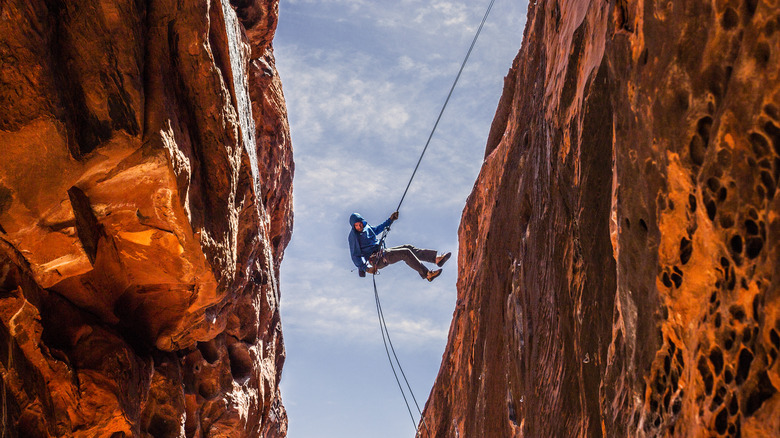
The rock climbing at Red Rock Canyon NCA is roundly considered to be world-class, with hundreds of routes that range from 1-2 hour grade I climbs to three-day grade VI excursions. This means there are routes for climbers of all ability levels, although the overnight routes require additional permits along with a higher skill level. Most of the rock formations within Red Rock Canyon are made of sandstone, so climbers are advised to wait a couple days after heavy rain or snow before attempting a climb in order to ensure the rock has the structural integrity to support them.
Visitors to Red Rock Canyon NCA have a wide range of outdoor activities to choose from beyond hiking and rock climbing. The 13-mile scenic drive is a popular way to take in the park's incredible landscapes by car or bike. Cyclists can also ride on a variety of paved trails and two mountain biking trails, although e-bikes are limited to paved roadways. Red Rock Canyon also has equestrian trails for those who prefer to view the area from horseback. Landscape photographers and geocachers also make use of the area, and there are dozens of picnic tables with trash cans and bathrooms around Red Rock Canyon NCA.
Where to camp in Red Rock Canyon NCA
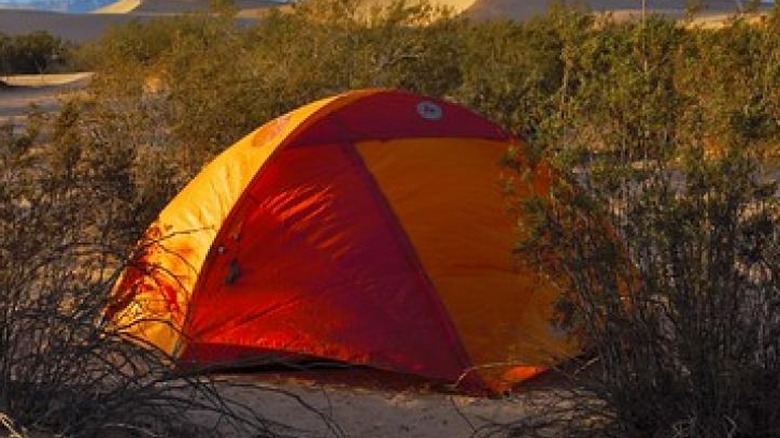
All of these activities can be enjoyed by day use visitors, although a timed entry reservation is required if you are visiting between October 1 and May 31. You can also camp overnight in Red Rock Canyon's developed campground on Monekopi Road just southeast of the visitor center. Among its 53 sites are a half-dozen that can accommodate RVs, which is helpful since there are no toilet or shower facilities. Be prepared to go almost totally off-grid; there are no water or electrical hookups either.
The campground is open most years from Labor Day through Memorial Day and is busiest from mid-October onward. If you want to plan ahead, sites within the developed campground can be reserved from six months to 48 hours in advance at recreation.gov. Backcountry camping is also allowed in areas above 5,000 feet in elevation, although you'll need to pay a separate visit to recreation.gov along with a $0.50 processing fee.