

The US State Where You Are Least Likely To Run Into A Bear While Camping
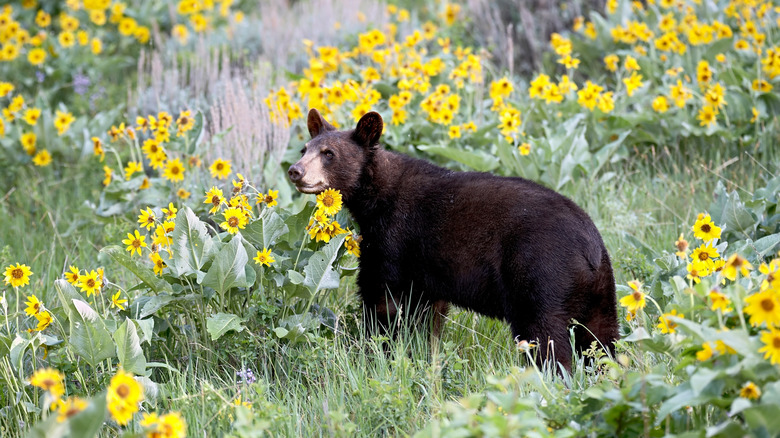
Spending the night in a tent or under the stars is one of the best ways to connect with nature, but the experience can come with danger. Foremost amongst these risks is the presence of bears in many national and state parks. They are one of the many creatures to be aware of in place like the Great Smoky Mountain National Park, but the National Park Service has several tips on how to prevent bears from approaching and what to do if you encounter one. Campers in many regions of the country often need to bring bear spray with them and take needed precautions, including securing food away from their tent when camping.
There are several states where bears are not common, but one state where you are guaranteed to never run into a bear is Hawaii. The 50th state is located just around 2,400 miles from the mainland, where grizzlies and black bears can be found. Although Captain James Cook brought non-native species like goats to the island when he arrived in 1778, Hawaii remains bear-free. Combined with the fact that it is home to some of the most breathtaking places to camp in the United States, it is a great place to get out in nature and pitch a tent under the stars.
Even without bears, camping in Hawaii can be dangerous
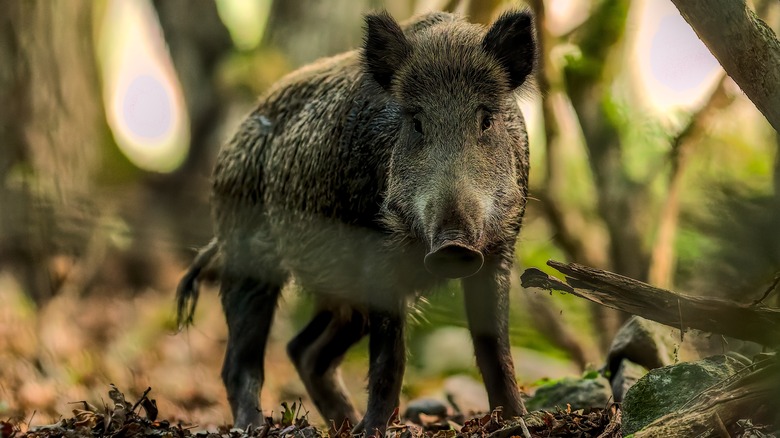
Even without bears, you should still take precautions when camping on the Hawaiian islands. In fact, there are several creatures to be aware of when swimming in Hawaiian waters, including dangerous box jellyfish. The island is also home to a hardy population of wild boars, which have been known to attack hikers and campers. The animals are characterized by their sharp tusks, which can easily cut through flesh. This is particularly true in the inland portions of the island in the rainforest environment.
Many of the islands offer world-class hiking trails complete with remote campsites. For example, on the island of Hawaii, otherwise known as The Big Island, visitors can hike the Muliwai Trail to the remote Waimanu Bay and Waimanu Bay campground. While it doesn't have bears, this trail should not be treated lightly, as the coastal conditions of the island can be dangerous with high winds and flooding potential within the bay.
On the island of Kaua'i lies one of the largest forest preserves in the chain of islands. In the Nā Pali-Kona Forest Reserve, hikers will find remote, pristine trails stretching deep into the interior of the island. While hiking and wild camping here is permitted, temperatures in the interior drop overnight. Additionally, heavy rain can cause flooding and isolation on extended hikes, making any potential evacuation difficult.