

Why Fall Is The Best Time To Prune These Summer-Flowering Shrubs
We may receive a commission on purchases made from links.
During fall, temperatures begins to cool and the growing season wanes for a wide variety of plants. However, at the same time, autumn is the beginning of new growth for some plants. As a result, there are some plants you should never prune in fall, such as flowering fruit trees. On the other hand, fall is a great time for pruning mums and other summer flowering plants. When it comes to summer-flowering shrubs such as buddleia (butterfly bush) or bush honeysuckle, fall is the best time to prune. More precisely, fall is the best time to perform an initial pruning of these summer-flowering shrubs.
Major pruning of these summer-flowering shrubs should actually be done in late winter or early spring. The same holds true for both shrub roses and climbing roses. This is when these plants should be cut back not only to remove dead portions of the plants, but also to shape and encourage new growth. Performing an initial pruning in the fall can help prepare the plants for the major pruning, as well as set them up to better handle rigors of winter weather and help prevent disease. However, if done incorrectly, fall pruning can actually cause considerable damage to your summer-flowering shrubs (or at least deny you blooms for a season), so it is important to do it right.
Best fall pruning practices for summer-flowering shrubs
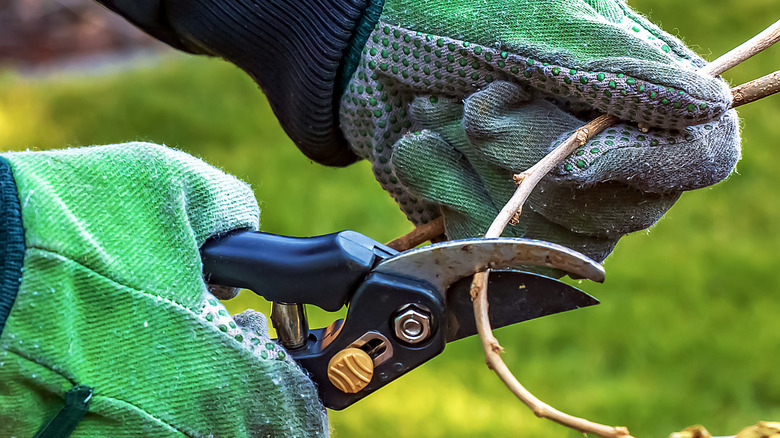
Many consider the best practice for fall pruning is to simply not do it. However, there are benefits to performing a light, initial pruning on your summer-flowing shrubs during autumn. Pruning back some branches can lessen the load of snow and ice over winter, and help reduce the risk of winter wind damage. It's also an ideal time to get rid of any diseases that may have latched on to limbs and leaves to help keep them from spreading in the spring. With that in mind, dead and diseased limbs should be your targets during early fall pruning, along with any damaged areas that may not make it through the winter.
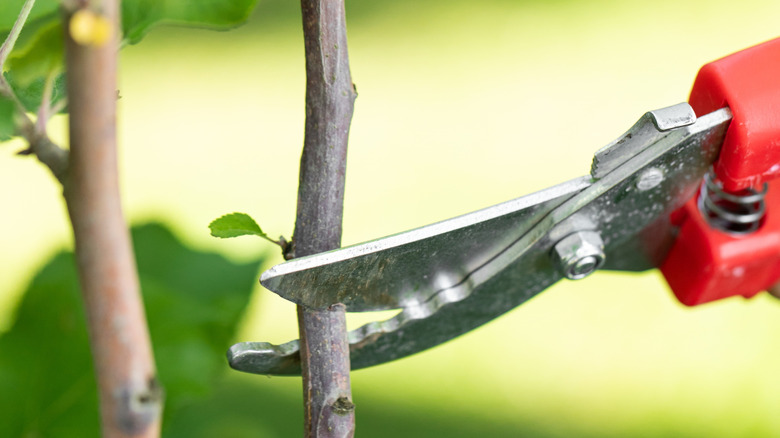
As is the case when you prune plants in any season, it is essential to start with clean, sharp pruning shears. This allows plants to more quickly heal over the cuts that are made and will prevent spreading diseases. A pair of quality shears like Fiskar's bypass pruning shears will give years of reliable use if maintained and regularly sharpened. Even though fall is much cooler than summer, you should still avoid pruning during the high-sun, midday hours. This is typically considered the worst time of day to prune plants, as it can add stress and opens the plant up to possible sunburn effects.
Once you begin pruning your shrubs, remove any dead or diseased limbs and leaves you see. Again, err on the side of caution and avoid removing too much from the shrub. As you prune, make sure you cut at the proper angle — approximately 45 degrees — and properly dispose of all your clippings afterward. If the clippings are not burned, you can douse them with horticultural oil to help prevent the spread of insects and disease.
What to avoid when pruning flowering shrubs in the fall
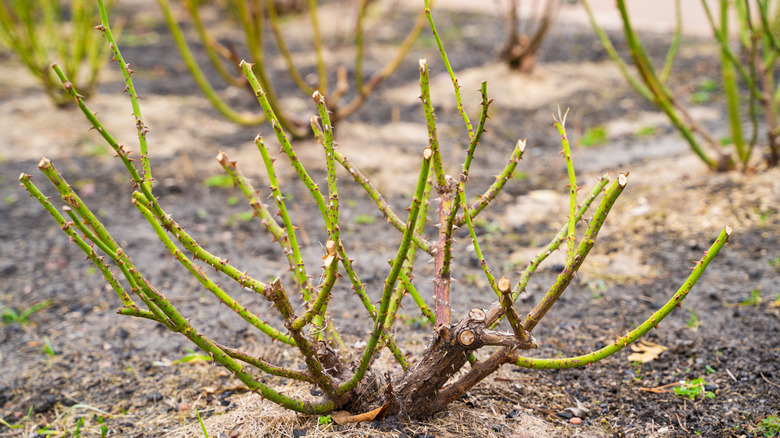
When it comes to what to avoid when pruning your summer-flowering shrubs during fall, the list is much longer than what to do. Essentially, everything except removing dead, diseased, dying, or damaged limbs and leaves is a no-no. It is especially important to avoid trimming shrubs back too far, even when removing the proper limbs.
One of the primary reasons to avoid doing so is cutting back limbs spurs the plant to begin growing again. Given that autumn is a time when plants should be entering dormancy, creating new growth at this time can be detrimental to its overall health. Most often, areas of new growth don't have time to sufficiently harden or develop buds before winter weather sets in, leaving them vulnerable to damage and potentially hindering future growth.
You should also avoid making overly large cuts: Large wound areas can stress the plant and are difficult to heal. The healing process is complicated as the plant entering dormancy during fall and the onset of winter, diverting its energy away from leaves and branches, and towards its roots. If the cut does not fully heal before winter, it will actually make the plant more susceptible to disease.