

What To Consider Before Buying A Mini-Pressure Washer Tool
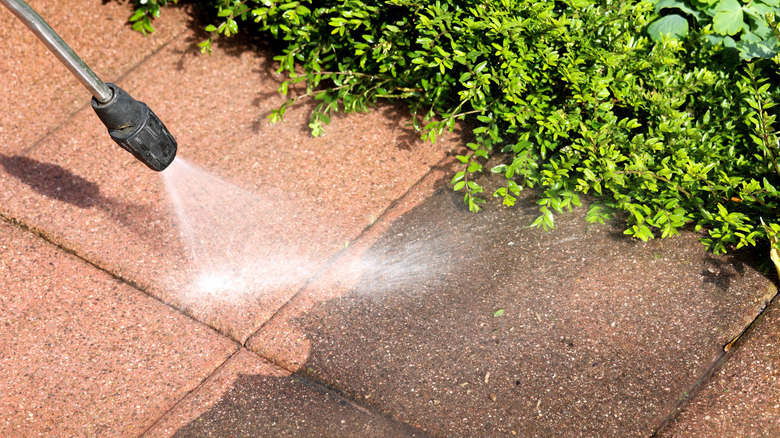
Pressure washers are a popular and powerful tool for cleaning outdoor spaces. They can work much better than your garden hose at effectively cleaning your driveway and siding, blasting grime off bikes and cars, or cleaning your outdoor furniture. If you're looking to instantly improve your home's curb appeal, pressure-washing surfaces like your front walkways could add serious value to your home. There are lots of pressure washer models to choose from, some powered by gas and some by electricity. They all have their own pluses and minuses, and the type that'll be best for you can depend on the cleaning tasks you have on your to-do list. If you're tackling a small job or light-duty cleaning, a mini-pressure washer may be the right fit.
These compact tools are often less bulky than full-sized models and, in many cases, are cordless and battery-operated, making them lighter and ideal for quick cleaning tasks. For example, if you notice a few spots on your car's bumper or walkway, you could quickly grab your mini pressure washer and get them cleaned right up. They don't have the added hassle of dealing with long cords or fuel, making them convenient for tasks like these. In addition, many come with extra nozzle attachments to make cleaning a breeze. As a bonus, their handheld size means they can be tucked away almost anywhere — from on a garage shelf to a small utility closet — without taking up much valuable space. While these compact models are a handy option to consider, it's also essential to understand how their features differ from those of traditional pressure washers and what that may mean for your specific cleaning needs.
The downsides of mini-pressure washers
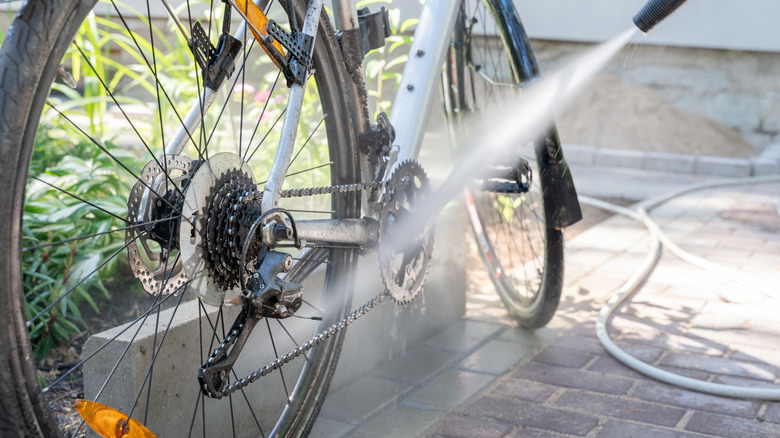
Mini-pressure washers can have limitations compared to larger electric or gas-powered models. A pressure washer's performance largely depends on two factors: its pressure output, measured in pounds per square inch (PSI), and water volume, measured in gallons per minute (GPM). Because mini units are smaller and often powered by a rechargeable battery instead of a powerful motor, their PSI and GPM are usually lower. As a result, they might not deliver as great a cleaning force as you'd get with a full-sized washer. Additionally, a battery-operated pressure washer may need frequent recharging.
On top of that, since a mini washer doesn't connect to a hose and has a relatively small water tank, it will need more frequent refilling. Combined, these factors may significantly slow down your cleaning task. Not to mention, while mini units may come with a few accessories, larger machines often include more features, which makes the smaller versions less versatile. Their small size might make you assume they're the cheaper option, but that's not always true — in fact, some mini pressure-washers can end up costing more than their larger counterparts.
Ultimately, a mini-pressure washer may be the right choice if you're looking for something portable, easy to store in a small space, and handy for light cleaning tasks. But if you often find yourself tackling heavy-duty tasks, a full-sized pressure washer will likely serve you better. By understanding both the strengths and limitations of mini units, you can decide whether they're the right fit for your home and DIY projects.