

There Is Still Time To Plant Cool-Season Vegetables (And Why You Should Act Now)
We may receive a commission on purchases made from links.
Although September and the approach of fall may seem like a time for reaping what you've already sown, some vegetables can actually be planted now. September is actually the best month to get to planting those fall veggies, just as summer vegetables are waning.
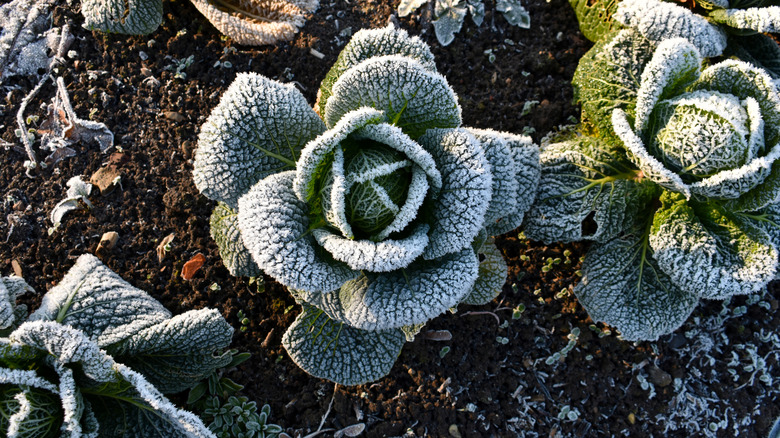
Cool-season vegetables, when planted in September, instead of later into the fall season, get a chance to become established before the first frost sets in — giving them a better chance at successful growth. Even vegetables that can tolerate cold temperatures sometimes can't survive frost. Seasonal gardening is a great way to enjoy fresh produce throughout the year. The most important aspect to consider is which vegetables thrive in cooler temperatures. Hardier leafy vegetables, like spinach and kale are good contenders, as are root vegetables like carrots and radishes. Some can only handle light frosts, while others can be left in the ground all winter if you prefer, so a lot depends on where you live.
Obviously, if you live in an area where it's still basically summer temperatures into the fall, and you don't have to worry about frost until December (or never), vegetable growing doesn't take on as much of a challenge. So it's very helpful to determine which USDA hardiness zone you live in before you plant cool-weather veggies. Rather than seeing colder days and nights as a challenge, though, you simply need to know which vegetables will grow best in your cooler climate garden. Also, if you're starting your plants from seeds in the garden in September, you'll want to plant them a little deeper than usual to help insulate them in warmer soil before sprouting.
Which vegetables to plant in September
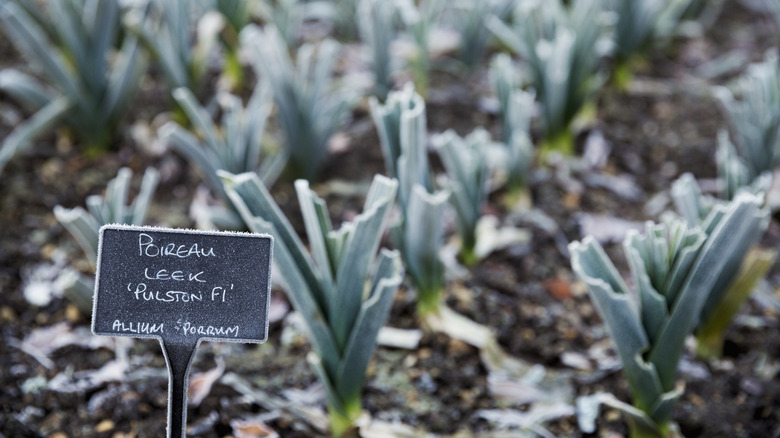
Some of the best veggies to plant in September are those that take only three to four weeks before they're ready for earliest harvest.One great candidate is lettuce, which is an easy-to-grow vegetable where the best time to plant is in the cooler parts of spring or fall. It's important to research which varieties are the most frost-tolerant ('Arctic King' and 'Winter Marvel' might be two obvious options). Other September candidates include spinach, kale, garlic, beets, carrots, and radishes. A few vegetables that can withstand a light frost include bok choy, peas, and cauliflower, while some that prove hardy even in heavier frosts include broccoli, onions, Brussels sprouts, leeks, and the aforementioned list of September candidates.
The complete list is much longer and even contains some wonderful herbs — which is proof that starting a garden even this late in the year can yield delicious crops that will get you through the coldest months. You can even keep mint growing all winter long. If you do get an unexpected early snow, some of your plants can still be rescued.
When frost is expected, you can help some of the less hardy plants make it through by using a row cover, which is essentially a blanket for your garden plants (consider AgFabric's 7-foot by 15-foot floating row cover). If the cold is setting in well, but your crops seem to continue flourishing, consider cold frames or cloches (basically glass dome or wire mesh covers) to help keep them protected. If you've planted carrots, you can leave some in the ground over the winter, and end up with super-tasty surprises come spring.