

Why You Should Consider Trimming Your Trees During Fall
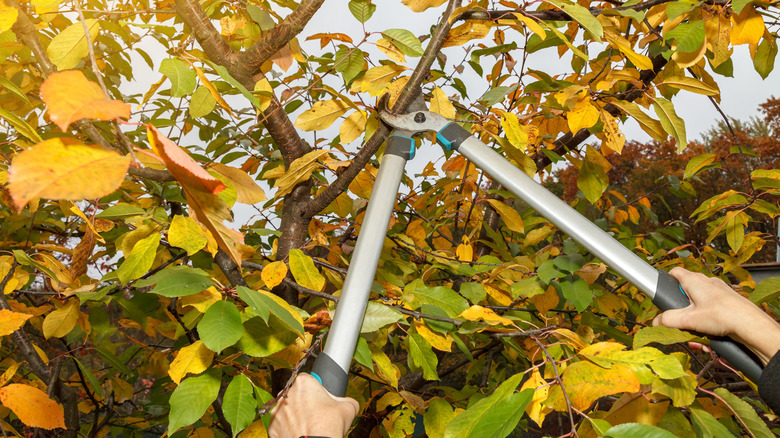
Pruning and trimming are part of the regular care your trees need to keep them healthy and thriving. Proper pruning and tree upkeep can even help deter squirrels from hanging out in your yard and causing problems. However, there is no written-in-stone time for pruning your trees. Some plants that should not be pruned in the fall and will do better if trimmed in early spring, but fall can be an excellent time to prune many types of trees.
While the contradictory advice can feel a bit confusing and overwhelming to a new gardener, the truth is that timing is less important than understanding what your specific trees need. By learning why you should consider trimming your trees in the fall, you can make a confident decision that will keep your garden healthy, thriving, and looking great all year long.
Several deciduous trees that you should consider pruning in the late fall include maples, birch trees, and ashes. This is not an all-inclusive list, but if you have these trees in your yard, late fall is a good time to get them in order. It is best to wait until the tree has dropped its leaves and is in the dormant stage, if at all possible. The parts of the trees that can be trimmed in the fall include crossing branches, lateral buds, broken branches, water shoots, and any branches that are diseased. Trimming trees at this time improves safety, maintains the trees' health, controls their size, and promotes growth.
Benefits of trimming your trees in the fall
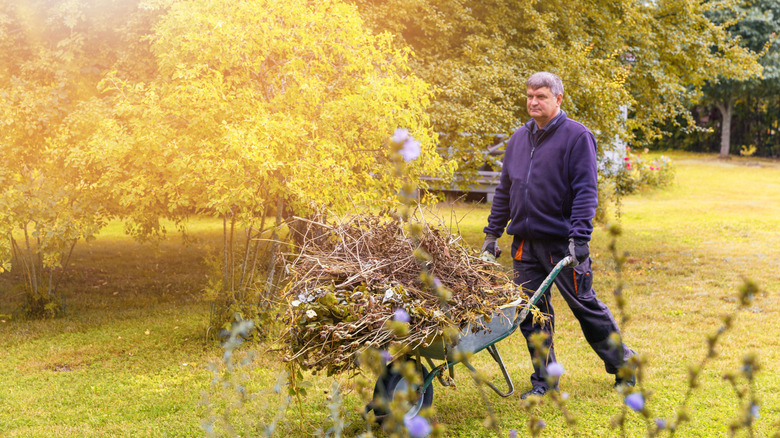
There are several benefits that come with fall trimming. As well as improving the overall health of your trees and encouraging new growth in the spring, it also keeps your yard looking good all year long, which increases the value of your property. A well-kept yard with trimmed trees has much better curb appeal than one with unruly trees, which is good if you plan on selling your home.
Additionally, weak and dead branches can be a real hazard when you add the weight of ice and snow, and removing them can prevent these branches from crashing down and injuring people or pets or damaging property. Removing these branches and any branches that have grown too close to your home can also reduce insect problems by eliminating their ability to use the branches to gain access to your windows. Noticing a lot of dead branches? Here is how to tell if the entire tree is dead before you start trimming. If it is dead, the tree should come down for safety reasons.
While fall trimming, look out for diseases such as powdery mildew, cankers, rust, and blight. Removing any branches that are infected with these diseases can prevent the disease from spreading to other parts of the tree. Dispose of the diseased branches properly so they don't re-infect your trees. By taking the time to trim your trees in the fall, you're not only protecting their health and appearance, you're also ensuring your tree is disease-free for spring. If you have trees not mentioned in this article, be sure to do your own research or check with a professional before trimming to find out the best time for trimming that particular tree.