

DIY Or Professional: How To Determine The Best Way To Screen-In Your Patio
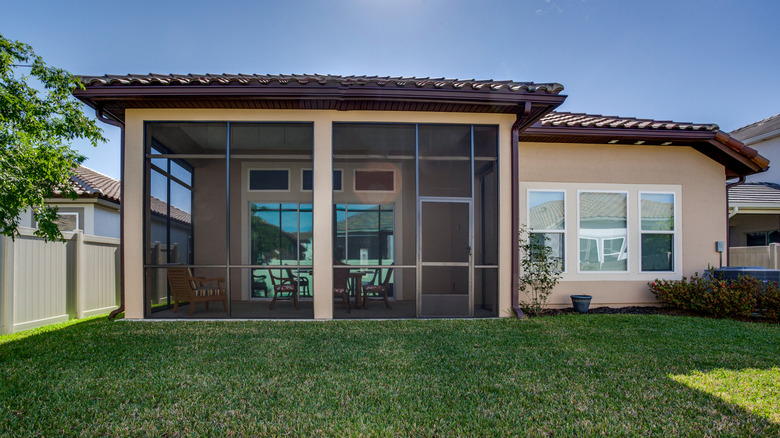
As DIYers, we sometimes bite off a little more than we can chew. You see a project and think, "I can do that!" The next thing you know, the yard is a mess and you're calling in the pros to salvage the job. Instead of adding value to your home, you've used up your annual vacation budget. A screened-in porch or patio is one of those projects that tempts many homeowners. It looks simple enough, but the truth is, depending on local building regulations and what type of porch you have, this project could be beyond the scope of your weekend skills.
So, how can you tell if your project is something you can tackle yourself or if it's best left to a pro? Before you even factor in your skill level, honestly assess what it is you want to accomplish and the current condition of your space. Then, ask yourself if you have the tools and equipment to do the job. Projects like this almost always take longer than expected, so you should also consider the time commitment. Most importantly, you must evaluate whether you can handle the permit process and ensure the work meets safety standards and local building codes.
Before you grab your tools, take a deep dive into permitting and legal requirements. Whether you can do the entire job yourself or have to call a contractor may depend on what is and is not allowed in your municipality.
Screened in patio projects you can handle yourself
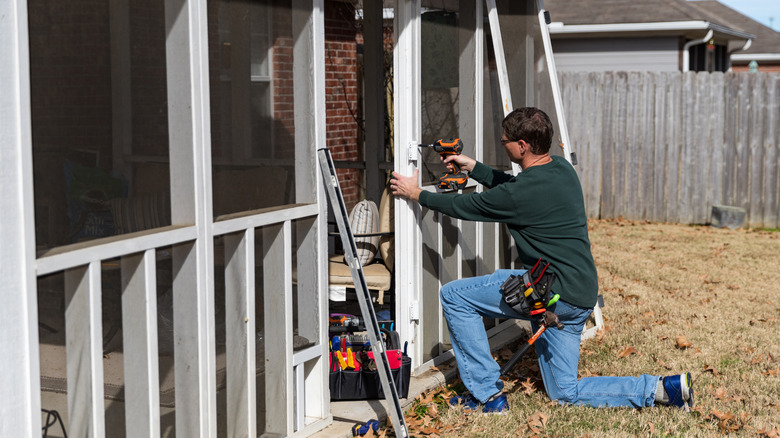
DIYers love the sense of pride that comes with building their own outdoor spaces. Beyond personal satisfaction, there are several other advantages. One of the biggest motivators for doing your own work is the money you can save on labor, but that's just the beginning. As a homeowner, you can use salvaged materials or supplies you already have on hand. For example, you might be able to use an old screened door or leftover lumber from another project, whereas a contractor is limited by liability and warranty concerns.
Another advantage of DIY is that you can set your own schedule. Even if it means it takes longer, you're free to work at whatever pace works for your family, budget, and energy level. Rather than being locked into a contractor's timeline and feeling rushed to make decisions, you can enjoy the process without the pressure of deadlines. You'll also learn new skills, which can help you gain confidence in your abilities.
For most DIYers, simple projects like screening in an existing porch or adding privacy screens to make the most out of a small patio are feasible, especially if your space already has a roof. From installing roll-up screens to adding outdoor deck tiles, projects that don't involve major structural changes or complicated electrical work are a perfect fit for DIYers. With careful planning and a good understanding of your skill level, you can avoid having to call a professional to get the job done.
When to hire a contractor for a screened-in patio project
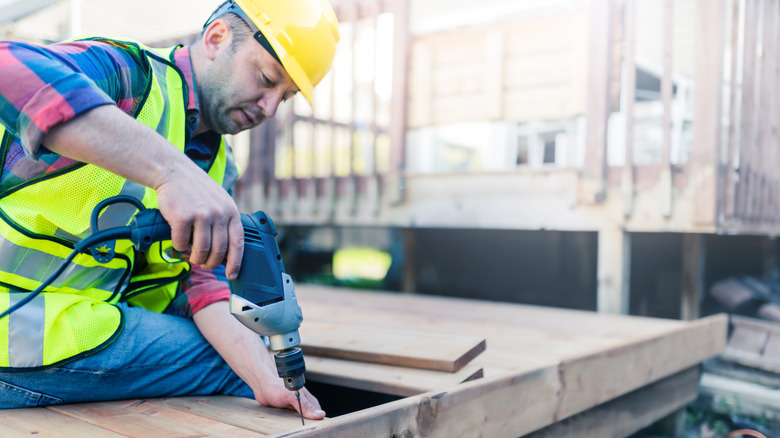
However, even if you're an experienced DIYer, there are some outdoor renovations you shouldn't do yourself. While many municipalities allow homeowners to pull permits and act as their own general contractor, some areas have building codes that prohibit homeowners from doing specific types of work, such as plumbing and electrical. Checking with your building department is the best way to determine if you're allowed to do it yourself or if you need to hire a contractor.
Another factor to consider is that when you pull a permit as a homeowner, you'll be seen as the responsible party in the eyes of the building department and insurance companies. This could make you liable for accidents and code violations. In fact, whether you act as a general contractor or hire one, it's important to verify licensing and insurance documents for anyone working on your property.
Examples of projects that are too complex or extensive for most homeowners include adding a roof or tying into your existing one. Whether you are starting with a patio or a deck, adding a roof can mean altering the existing structure, adding footings, or reinforcing load-bearing walls. All of these typically require professional expertise and permits to ensure building code compliance. Another important factor to consider is that professional installation may be required to validate product warranties, making hiring a contractor the safest choice for high-budget projects.