

The Vibrant Flower That'll Last All The Way Into Fall, But Could Cause Problems In Your Garden
We may receive a commission on purchases made from links.
There are plenty of rewards that come from gardening. Not only are there many reasons gardening is good for your health, there is the visual enjoyment of watching vegetables grow and seeing beautiful flowers bloom in late spring and throughout the summer. It's even better when you have flowers you can plant during the hottest months of summer that bloom all the way into fall, extending the visual appeal of all your hard work by several months. One possible choice for late summer planting is lantana camara. Lantana camara can handle the heat of summer and provides vibrantly colored blooms that can potentially last all the way into fall. This low-maintenance plant is a member of the verbena family and thrives in a variety of habitats. Lantana camara produces berries that are toxic to humans and livestock along with the leaves and has many of the telltale signs of wild berries that are not safe to eat, so if you choose it for your garden, be mindful of where you plant it and keep the kids and pets away from it.
Because of its ability to thrive in a variety of habitats, its resistance to many regularly used herbicides, and its abundant seed production, lantana camara is considered an invasive species in many parts of the world including the United States, particularly in the southeast and Hawaii. It can form thick, dense thickets that can compete with your other plants and it can also cause issues with fire regimes, negatively affecting wildlife. If you live in Arizona, Florida, Georgia, or Hawaii it's better to err on the side of caution and check with your local extension office for any restrictions on planting lantana.
Is lantana camara the right plant for your garden?
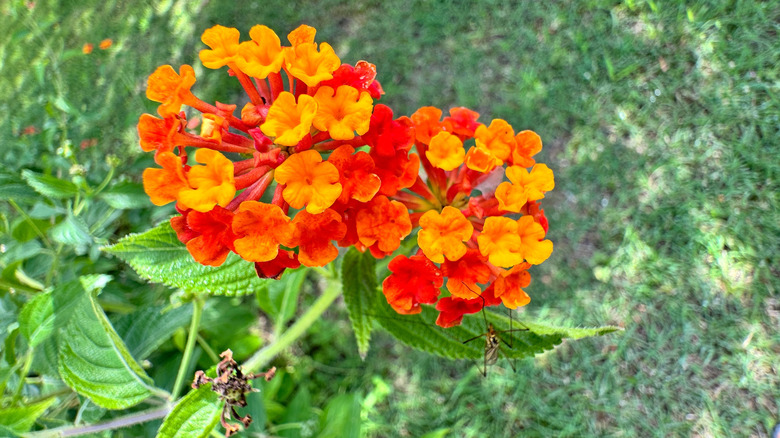
Lantana camara doesn't handle frost well and should be brought inside during the cold winter months. This pollinator-attracting plant is easy to care for and produces such beautiful blooms across USDA zones 7 through 11. If you are planting lantana directly into the ground, wait until all dangers of frost are past and find a spot in the garden that will get at least 6 to 8 hours of direct sun each day. Space your lantana 1 to 6 feet apart in loose, well-draining soil and keep it watered on a regular basis as the plant is establishing. If you are planting lantana camara in hanging baskets or pots, use a high-quality potting soil like this LGM all-purpose potting soil and make sure the basket or pot has plenty of drainage holes so the roots don't become waterlogged.
Fertilizer needs are simple: Once per year in the ground and once a month if you are growing your lantana in containers. Water your plants well, providing one inch of water each week. If you have planted your lantana in sandy soil, you should expect to water them every day. Make sure the soil does not dry out between water sessions but take care not to overwater, one of the major mistakes you need to avoid when watering your garden. Although it can be a real problem in the southeastern states, if you live in the cooler regions, this can be a nice plant that your pollinators will love. Just make sure to plant it where you can ensure it is safely away from children, livestock, and your pets.