

If You're Planning A Visit To Canada, Be Aware Of The Government's Strict Ban On Hiking
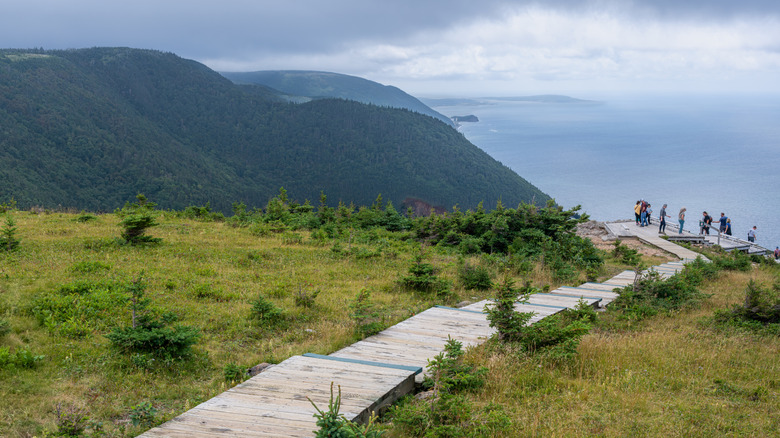
Nova Scotia has long been one of Canada's most alluring travel destinations, beckoning outdoor enthusiasts with its rugged coastlines, storybook fishing villages, and dramatic natural landscapes. Jutting out into the Atlantic Ocean on the country's eastern seaboard, this province blends maritime charm with adventure-ready terrain, offering everything from the steep canyons and highlands to windswept headlands. Cape Breton Highlands National Park offers 26 officially maintained hiking trails, ensuring that you can find a path to match your pace whether you're a casual day stroller or a serious trekker. In fact, Nova Scotia's reputation as a hiking haven has made it a bucket-list destination for those seeking panoramic views of waterfalls, salt marshes, and the endless waves of the Atlantic itself.
Before you start planning your hiking routes, though, a serious warning: Nova Scotia has shut down forest access due to a severe wildfire risk. As of Aug. 5, hiking, camping, fishing, and any trail activity in wooded areas are prohibited under a proclamation issued by the provincial government. The ban, which is being enforced until Oct. 15, or until the drought finally breaks, includes trail systems and invites penalties of up to $25,000 ($18,000 in U.S. dollars) for violators, making it one of the most restrictive outdoor access limitations in recent Canadian history. The province is in the midst of its second-worst wildfire season on record, with drought conditions exacerbating the risk. And one of the ways you can prevent wildfires on your next outdoor adventure is following these necessary closures.
What you can still do outdoors in Nova Scotia
While it's always important to know what to do if you encounter wildfire smoke on a hike, you may need to shelve your hiking plans for a Nova Scotia trip this fall due to the wildfire ban. But even with the woods off-limits, Nova Scotia still delivers plenty of fresh-air escapes. Beaches remain a safe and spectacular option, whether you're strolling the white sand of Lawrencetown Beach (a surfing hotspot just outside Halifax) or walking the tidal flats of Burntcoat Head Park, home to the world's highest recorded tides. If water calls your name, kayaking and whale-watching tours are still operating along the Bay of Fundy and Cape Breton's coasts, letting you swap hiking boots for a paddle while soaking in ocean vistas.
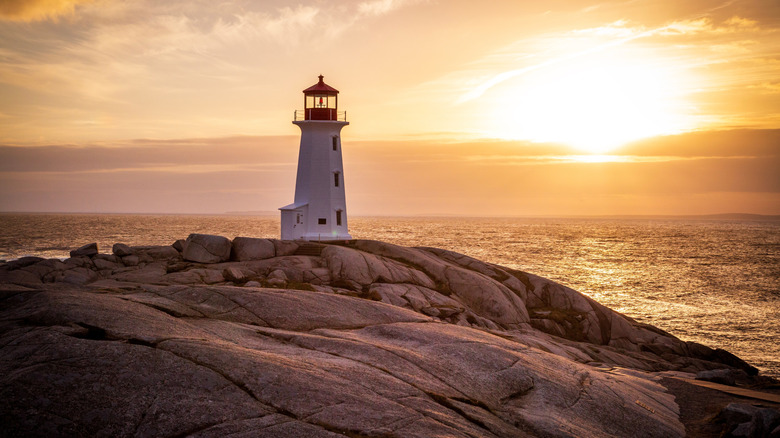
For land lovers, scenic drives are a low-effort, high-reward way to experience the province's raw beauty. The Cabot Trail, a 185-mile loop around Cape Breton Island, offers cliffside overlooks, fishing villages, and endless pull-offs for impromptu picnics. Meanwhile, the Lighthouse Route along the South Shore delivers iconic stops like Peggy's Cove, Fort Point, Sandy Point, and Cape Forchu lighthouses, as well as the pastel harbor of Lunenburg, a UNESCO World Heritage Site. And if you need a hit of greenery without entering the backcountry, Halifax's Public Gardens, a Victorian-era gem right in the city, remains open for leisurely walks among manicured flowerbeds or near Griffin's Pond, where you can see turtles, blue heron, and the occasional osprey.
As of August 29, 2025, some of Nova Scotia's counties have had restrictions lifted, including: Cape Breton, Richmond, Victoria, Inverness, Guysborough, Antigonish, and Halifax. All remaining counties are still under woods restrictions until October 15, or until further notice.