

Is Your Deck Falling Apart? Here's Why A Patio Might Be The Better Move
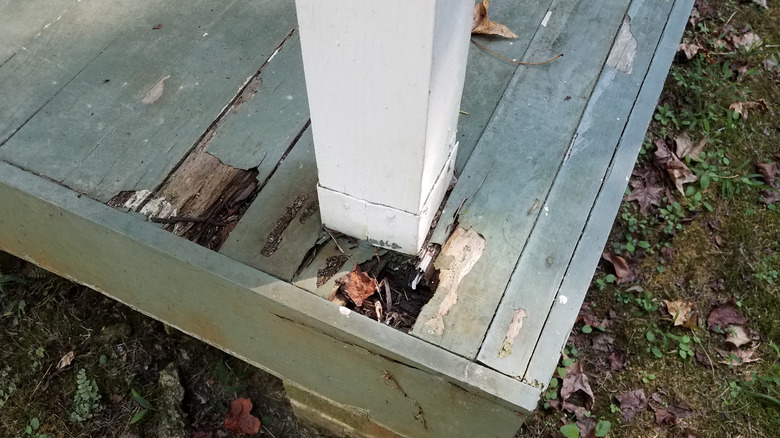
Decks can be a dream extension of your home until they start showing their age. Unfortunately, wood and the outdoors don't always play well together. Moisture is the biggest culprit of deck decline, and even pressure-treated lumber isn't immune. Over time, rain, snow, and humidity seep into porous boards, and no amount of sealant can keep water out forever. The signs of damage are easy to spot, including mold creeping across planks, warped or buckled boards, uneven gaps between slats, and that telltale spongy feeling underfoot when the structure starts to give way. Add in stress from heavy use, pests, poor construction, or just plain old age, and your once-inviting deck can quickly become a hazard. Instead of putting money and energy into replacing rotten boards with more wood, the smarter way to reclaim your outdoor living space may be to swap your tired deck for a patio.
Unlike wood, patios built with pavers offer durability and timeless style that can last for decades. In fact, pavers are the patio material you'll want to select if you get a lot of snow because they're built to last. Pavers can hold up for 20 to 25 years without major repairs, and when properly sealed and maintained, they can stretch their lifespan to an impressive 50 years. Pavers come in clay, brick, natural stone, concrete, or porcelain, giving you a wide range of looks and materials to match your landscape. And, unlike wood, if one piece does get damaged, you can replace it without tearing up the whole space.
Price vs. upkeep of decks and patios
You may be wondering about the differences between patios and decks. When it comes to cost, patios are the clear budget-friendly winner. A professionally built wooden deck costs an average of around $14,000, with variations based on the size, material, and design. By contrast, a new patio averages closer to $4,000. Of course, that number can swing depending on whether you opt for poured concrete, natural stone, or pavers, but the bottom line is that patios tend to be more affordable per square foot. For homeowners weighing price alone, a patio is the economical choice, leaving a little extra in the budget for furniture, landscaping, or that dreamy fire pit. Plus, stone patios are one of the outdoor updates that adds serious value to your home.
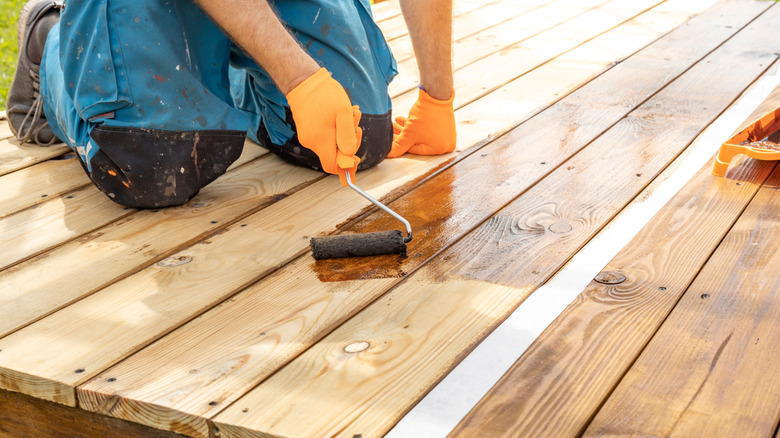
But price isn't the only factor to consider. Maintenance plays a big role in the long-term enjoyment (and cost) of your outdoor space. Decks, especially those made of wood, require regular upkeep to keep them looking fresh and safe. Think power-washing, staining, and sealing every couple of years. These are projects that can eat up both weekends and dollars. Composite decking reduces the hassle somewhat, but it's still not a set-it-and-forget-it option. Patios, on the other hand, are a bit like the laid-back cousin in the family. With materials like stone or pavers, a little sweeping, the occasional hose-down, and pulling weeds from between joints is usually all you need to do. You can choose to seal your patio for extra durability, but it's not necessary since most hold up beautifully on their own. So, if you'd rather spend your Saturdays lounging outside instead of laboring on upkeep, a patio might be the way to go.
Creative patio ideas to replace your deck
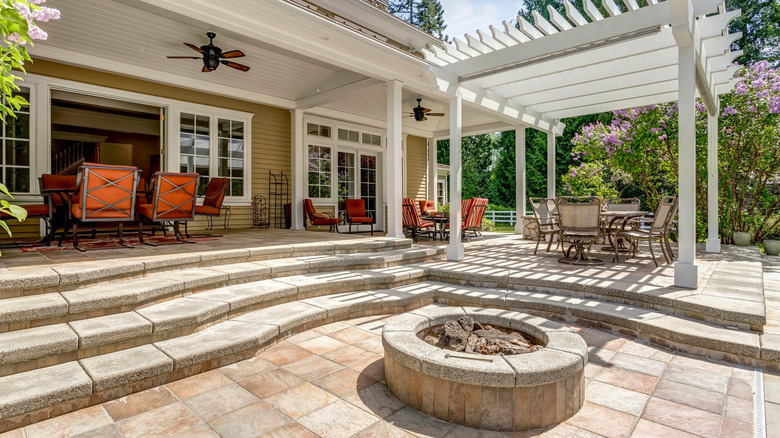
Transforming your worn-out deck into a fresh, functional patio is all about envisioning how you want to spend more time outside. Maybe you're dreaming of a sunken fire-pit lounge with built-in seat walls to anchor conversations and s'mores fests, or perhaps you're envisioning an outdoor kitchen or grilling station, complete with prep counters and cozy bar seating for those casual alfresco meals. These elevated spaces look good and invite you to linger longer, whether you're entertaining friends or simply unwinding under the open sky. Think of layout ideas that match your rhythm, whether that's listening to birds and reading books while sipping your morning coffee or partying and dancing under the stars and landscape lights.
When it comes to design themes, your patio should feel like an extension of your personality. For a modern minimalist vibe, go for smooth concrete pavers in a classic herringbone pattern, clean-lined furnishings, and a cool grayscale palette with just a splash of greenery. Love that old world charm? Create a Mediterranean retreat with warm-toned porcelain or terracotta-style pavers placed in a more natural or random pattern, accompanied by a vine-draped pergola. For those craving serenity, consider a rustic escape with flagstone pathways, weathered wood accents, and ambient lighting. Anchor this theme with natural textures, dappled light, and evenings that feel like you have a lodge retreat tucked into your backyard. No matter your vibe, the key is choosing a style that invites comfort and beauty, transforming your backyard into your favorite hangout.