

The Terrifying Scorpion To Look Out For When Exploring Arizona
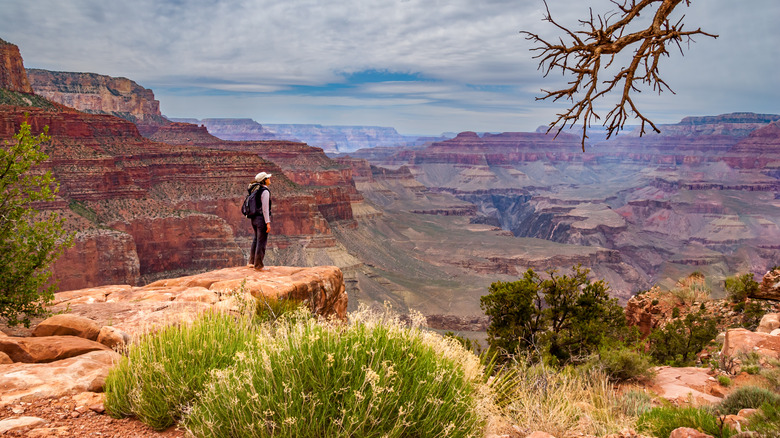
Arizona is an outdoor lover's dream destination if there ever was one. Where else can you stand on the edge of one of the most beautiful and dangerous national parks (the Grand Canyon) with your jaw on the ground, and then wander among forests of towering saguaros that look like they're straight out of a Western movie? Add in epic hiking and biking trails, Native American heritage sites, and kitschy stops along Route 66. Then, sprinkle on a thriving arts scene, buzzing cities, and sunshine that practically refuses to quit, and you've got a destination tailor-made for year-round adventure. But just when you're busy swooning over sunsets and desert blooms, Arizona likes to remind you that its wild side comes with a few extra legs and a stinger. Meet the scorpion, your not-so-cuddly desert neighbor.
Arizona's dry, sandy climate is paradise for scorpions, which is why more than 50 species call the state home. Arizona Poison Control gets about 20,000 calls a year about scorpion stings, which tells you how often locals and visitors cross paths with them. The one you really don't want to run into, though, is the Arizona bark scorpion, the most venomous scorpion in the U.S. These little night owls are most active from spring through fall, and they're surprisingly nimble climbers, which means they can turn up just about anywhere, including the Grand Canyon, a national park that should be on your bucket list. While most stings won't ruin your life, they can definitely ruin your day, so keeping an eye out for bark scorpions is just another smart way to stay safe while soaking up Arizona's desert magic.
How to stay safe from bark scorpions
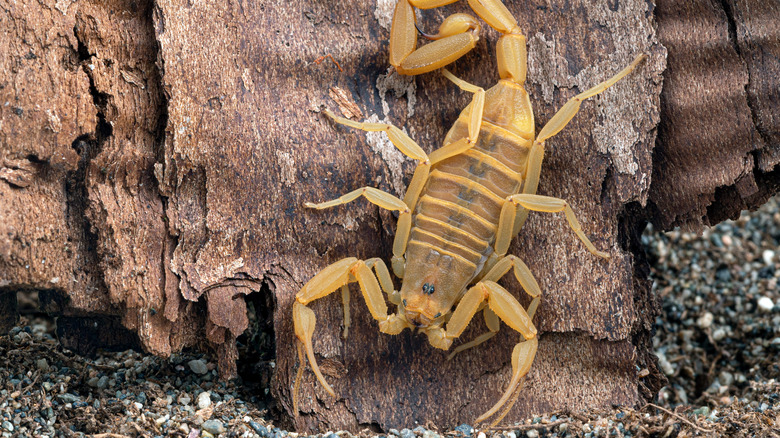
Yes, bark scorpion stings hurt ... a lot. But before you start vowing never to set foot in Arizona, here's the good news: Most stings are more painful in the moment than harmful in the long run. For most people, the aftereffects are limited to numbness, tingling, or maybe a bout of nausea. That said, playing it safe is always wise, especially when hiking with kids, older relatives, or anyone with a more sensitive immune system. The bark scorpion itself is only about 2.5 inches long and tan in color. At first glance, it can blend right in with desert rocks and sand. But if you shine a UV light on one after dark, it will glow like a neon-blue highlighter. It's like the desert's version of a rave, only with a lot more caution tape.
Because these scorpions are night owls and notorious for sneaking into cozy spots to take cover from the sun or hibernate as temperatures cool, locals have learned a few easy tricks to keep them at bay. Shake out shoes and clothes before putting them on (scorpions love them as much as you do). Give your bed, blankets, and pillows a quick once-over, especially before turning in for the night. If you're staying in a home or cabin, sealing gaps around doors and windows is a smart way to keep unwanted visitors outside where they belong. And if you're feeling like being extra prepared, pack a small UV flashlight so you can spot a glowing scorpion before it spots you. With these tips, you can enjoy Arizona's desert magic without letting its prickly residents put a sting in your adventure. And here's what to do if you do get stung by a scorpion.