

The Simple Test That'll Help You Determine If Your Perennial Is Dead Or Dormant
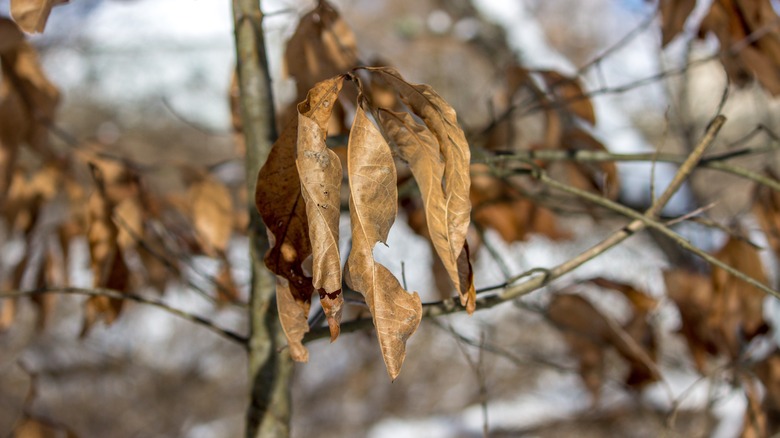
One common mistake that beginner gardeners can make is assuming a plant that's in dormancy is dead. This leads to prized plants ending up in the compost pile rather than filling your garden with color and life for another season. Dormancy is an essential part of your perennial's life, even those fuss-free plants that are great for beginners. It often occurs in the winter months, offering your plant rest after a year of vibrancy. However, it can be daunting to walk into your garden and see your favorite plant looking lackluster, unsure if it will return come spring. Fortunately, there are a few simple ways to tell if your perennial is dormant or truly dead and gone.
When it comes to telling if your dormant plant is still alive, you'll often need to look beyond the surface and dive into the details. This is where the snap-scratch test comes into play. By looking beneath the dull appearance of your plant, you can determine if there's still life to nurture and tend to. However, this method only works on shrubs and trees. For other perennial plants, you may need to take a different route and instead look at the roots to tell if your plant is dead versus dormant. Learning your plants dormancy cycle can also be a helpful way of determining if it's still alive or not. Not all plants go dormant at the same time, and some may spend more time at rest than others.
Testing if your perennial is dormant
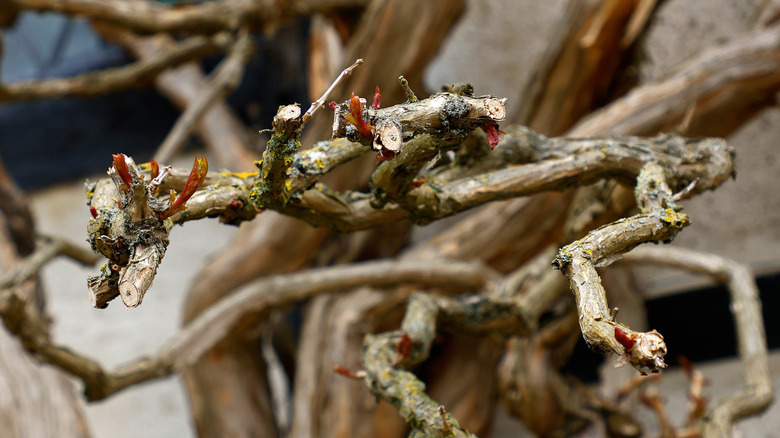
With the snap-scratch test, you'll be examining the branches of your plants for any signs of life. If your plant truly is dead rather than dormant, the branches will break easily rather than bend, and they'll often be dark inside rather than the green or white you expect of living plants. To see for yourself, find a small branch on your plant and try to break it. If it bends, then there's a good chance your plant is still alive. If it snaps, then it may be a sign that your plant didn't survive its dormancy. You can also check closer to the core of your plant by using the scratch portion of the snap-scratch test. By using a clean, sharp gardening tool, like shears, scratch away the surface of a twig near where it connects to the main stem of your plant. You'll want to look for the same signs of life here as with the snap test: living plant tissue.
If your plant doesn't have branches or twigs, then the snap-scratch test may not be the right choice for you. However, there are still ways to tell if your perennial is dormant even without this test. To do so, gently dig under your plant and check its roots. Even when a plant is dormant, its roots should be healthy and thriving, with no mushy textures or unpleasant odors. You can also use this method to double-check shrubs and trees after the snap-scratch test if you want to be certain about your plant's fate. If your plant is truly dead, take some time to research hardy perennials that come back year after year before replanting.