

What To Know Before Using Natural Pesticides On Plants Right Before Harvest
We may receive a commission on purchases made from links.
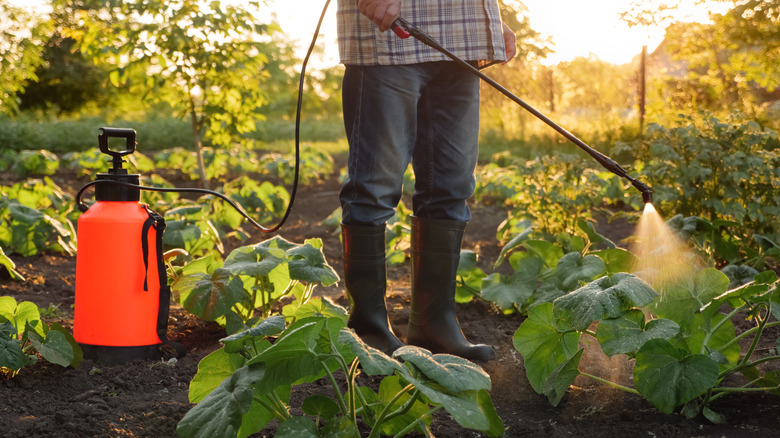
Whether you are growing vegetables in a container garden, raised bed, or traditional in-ground garden, you likely have high hopes for a bountiful harvest so you can enjoy the fruits of your labor as healthy meals. After all, among other benefits, the process of gardening is a healthy activity that provides the freshest of fresh meal-making supplies. However, while tending your veggie garden or berry patch, you've likely also had to deal with pests.
When faced with these pest problems, many gardeners turn to natural pesticides as a safer alternative to synthetic chemicals. But even if you have chosen to use natural pesticides to combat unwanted insects, there can still be some safety concerns with handling and eating those crops. Key things to understand before you use natural pesticides in your edible garden include knowing which natural pesticides leave toxins or affect taste, the safe time to wait after treating the garden with pesticide, and how to care for the produce post-harvest.
One of the most critical things to understand when using any chemicals in your garden is the pre-harvest interval or PHI. This term refers to the interval or time required between when the product is applied and when the plants can be safely harvested. The time is set based on the residue left by the pesticides and how long it takes for that residue to dissipate to a safe level. The best way to determine the PHI of a particular pesticide is to read the label. If the wait time is shown as zero days or if no time is listed, the product can be applied up to the day of harvest. It is also important to know that even if you harvest after the suggested interval, you will still need to properly care for your crops post-harvest.
Natural pesticides aren't always safe
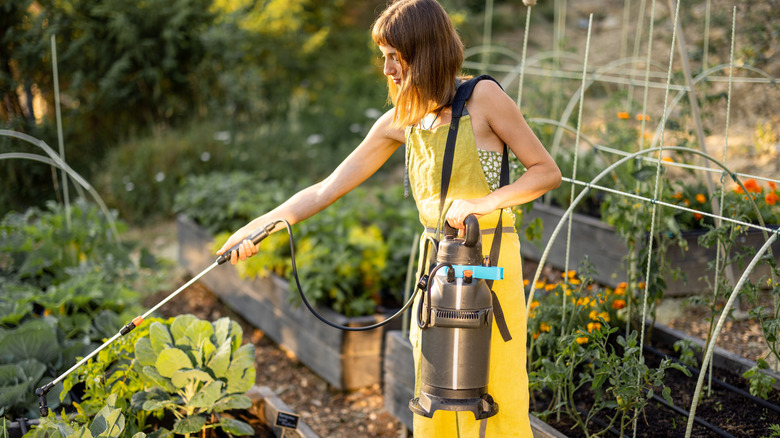
Beyond just the wait time, you need to understand the composition of the pesticide you are applying. A common gardening beginner's mistake is assuming that the use of terms such as natural or organic on pesticides makes them 100% safe. This is not the case. In fact, natural only means that the substances used to make the pesticide occur in nature. But that means it could contain very harmful elements such as lead or arsenic. Additionally, since there are no governmental regulations when it comes to using the term natural on a pesticide label, it is on the user to read the label and understand the ingredients they are applying to their plants.
Using the word "organic" to label products, on the other hand, is regulated. Any product bearing those words must meet government standards set forth by the United States Department of Agriculture. Only substances that are included in The National List of Allowed and Prohibited Substances, or are derived from permitted all-natural substances, can be used to make organic pesticides. However, this alone does not mean that it is safe to immediately harvest plants that have been treated with organic pesticides.
This applies to DIY natural and/or organic pesticides as well. For instance, neem oil is a natural pesticide that you may want to think twice about using in your garden. Neem oil is a substance that is extracted from the seeds of neem trees, and although it is organic and found in a wide array of products, some people are sensitive to its compounds. Though the effects are generally mild, it underscores the need for both waiting before harvesting and following proper post-harvest protocol, no matter what you're using as a pesticide.
Practice safe post-harvest protocol
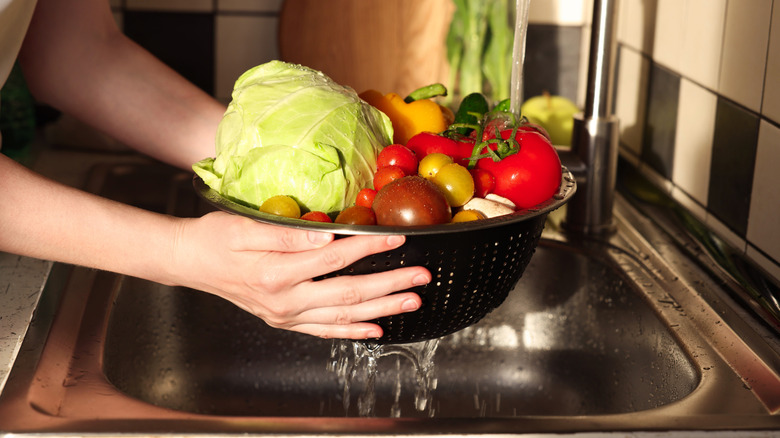
When it comes time to harvest your garden crops, first ensure that the PHI period has passed. Once you're in the safe zone, you can begin to harvest your produce using gloves, along with clean tools and storage containers. Try to brush off as much dirt and dust as possible while harvesting. After you have picked all of your fruits and vegetables, they will then need to be washed to remove any residual pesticides, as well as any other contaminants.
However, when you decide to wash them may vary. While you can wash your harvest immediately, doing so will reduce the shelf life of some crops, such as tomatoes, herbs, and berries. If you choose to wait and wash these immediately before eating, just be sure they are stored away from cleaned produce to prevent cross-contamination.
The best method for removing contaminants from fruits and vegetables is a thorough fresh water rinse. While holding the produce under running water, thoroughly rub it with your hands to help loosen any residue. Be as firm as possible without bruising the flesh. Veggies with thick skins or rinds can be scrubbed with a brush as well. You can also use products such as Veggie Wash produce wash to assist with removing pesticide residue. Just keep in mind that these products can also leave a residue, so they must be thoroughly rinsed away before cooking or eating.