

What To Consider Before Trying This Viral DIY Planter Hack
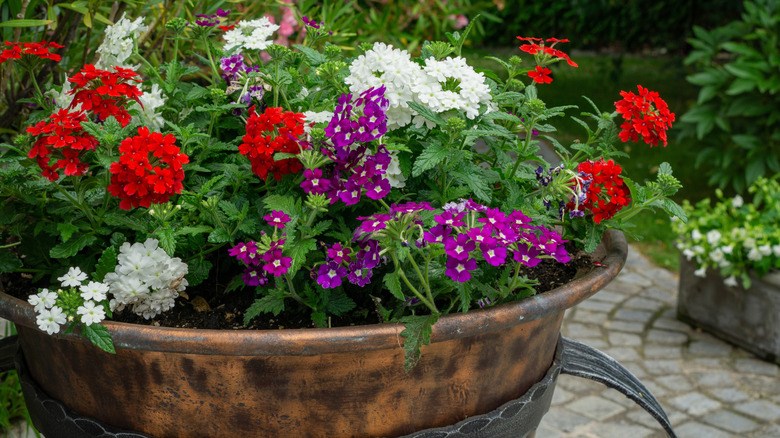
Whether you're growing vegetables, herbs, or flowers, gardening doesn't necessarily require large plots of vacant space. Containers such as plant pots or even buckets work for some DIY garden projects, as do raised garden beds. Where there's even less available space, vertical gardening is the way to go — elevating the plants right off the ground. This method utilizes walls, fences, and other vertical surfaces to maximize the available growing space by attaching some form of planting container to them.
One trendy vertical gardening method is gutter gardening. Yes, the same type of rain gutter typically found along a home's roof line can be repurposed into shallow, lengthy garden beds that easily hang upon a fence, deck railing, or the side of a shed. Both vinyl and aluminum gutters are fairly inexpensive, and can be cut to any size you like with tin snips. While this crafty method is a fantastic example of creating a garden where there may otherwise be none, it's not ideal for all plants. Consider the type of plants, the location you'd hang your gutter garden, and what your plants will need before you get started.
Pros and cons of gutter gardening
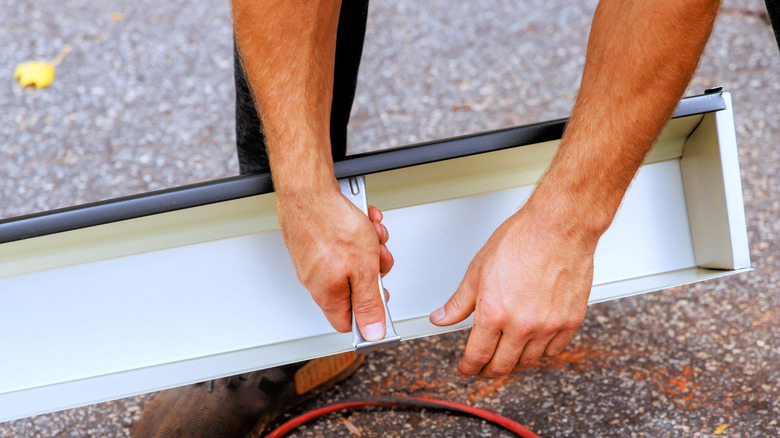
Most rain gutters are less than 4 inches deep and only 5 to 6 inches wide, so they don't require much soil compared to filling a raised garden bed or a series of pots for container gardening. Even at that shallow depth, a gutter gets the job done for garden plants without any deep roots. Grow the tastiest strawberries in a DIY gutter garden. Nasturtium, salad greens, radishes, and some herbs are among the many other plants that don't need deep planting. Gutter gardens are also nice in that they're not at ground level, making it easier to tend to the plants within them. As with raised bed garden beds, this could be a great option for someone with limited mobility or for anyone that doesn't want to stoop over to water or harvest their plants.
There are also a few drawbacks to gutter gardening. Since gutters are shallow, the soil could dry out a lot faster than it would in the ground. Plants can become rootbound and soil could get too hot in summer, affecting plant growth. A deluge of water could also cause issues if the gutters don't drain properly; they need a slight slope as well as drainage holes. Otherwise, the plants could sit in a pool of water during and after downpours.
How to make a DIY gutter garden
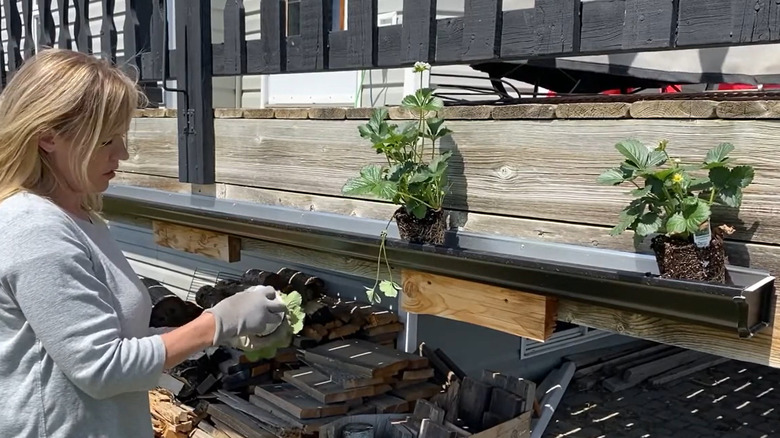
If you want to make a garden out of a gutter, consider going with the method that YouTuber Keri Pratt does. You'll need a length of gutter in any size you'd like. It helps to measure the vertical space where you'll mount the gutter first. The common K-style gutter is better than the half-round style in most cases since it's deeper and has a straight back side.
Purchase or repurpose a length of gutter and attach end caps at each end, crimping them in place so they'll hold. Drill drainage holes at least at the end of the gutter than will hang closest to the ground using a ¼-inch drill bit. For a long piece of gutter, more drainage holes every couple of feet along the length of the gutter will ensure no water will pool. Attach the gutter to the fence, deck, or other vertical surface at a slight angle using gutter hangers or gutter screws that go through spacers and into the vertical wood surface behind the gutter.
If the gutter is long, strips of wood mounted beneath it will support the weight of full gutters even better. Fill the gutter with a lightweight potting soil or soil suitable for container gardening. Mix in some compost, if desired, then add your plants, water them, and enjoy the growing season. Even if it's in the gutter –literally – gardening is good for your health.