

How To Tell The Difference Between Mole And Snake Holes In Your Yard
We may receive a commission on purchases made from links.
Most homeowners prefer to keep moles and snakes out of their yards for a litany of reasons, though the primary ones are that moles can damage your lawn and ground-dwelling snakes are sometimes venomous. One quirk both pests have in common is they both dwell in holes or tunnels. If you see a hole or tunnel in your yard, it's helpful to know whether they are home to snakes or moles. It might be hard to catch the creatures entering or exiting their burrows, but fortunately there are other methods for finding out what's lurking beneath your lawn.
Snakes do not dig their own holes, but instead take shelter in holes dug by other animals. There are several reasons snakes might slither underground. The first is temperature regulation; these cold-blooded creatures cannot regulate their body temperature unless they change their environment. Snakes also go underground to hunt; if moles are burrowing in your yard, you might spare the snakes so they can fix your mole problem. Underground passageways are also a good escape from predators, such as hawks and eagles, and snakes often go underground to hibernate and lay eggs.
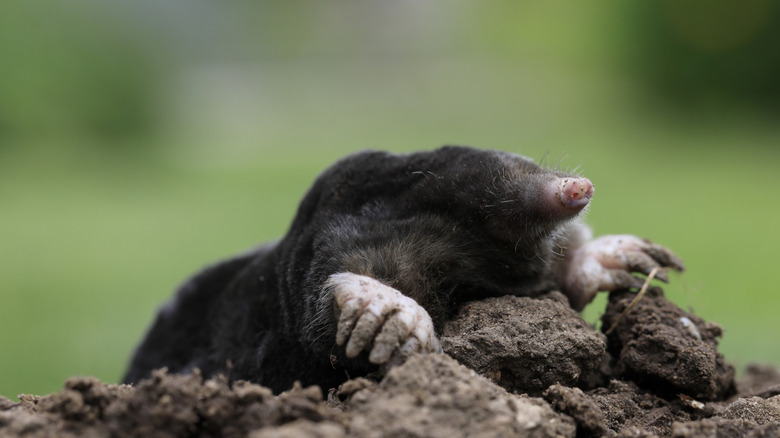
Moles, on the other hand, spend most of their lives beneath the soil. They have large, hairless hands for digging and very small eyes since there isn't much to see down there. An average mole can easily dig up to 150 feet per day, which can do quite a toll on your lawn by exposing grass roots to air that dries them out.
Moles and snakes leave traces
You're not likely to see a mole above ground level. When moles crawl out from their tunnels, they enter an environment they are not suited to survive in. If you find the entrance to a tunnel in your yard, it might not be clear if it's an active mole tunnel or one that has long since been abandoned. You can tell a mole tunnel is active if there is fresh soil piled up along the edge of its opening or if the turf is bulging. Grass usually wilts or dies along these raised ridges. If you have a dog, it might dig up these tunnels, causing plenty of extra damage to your yard.
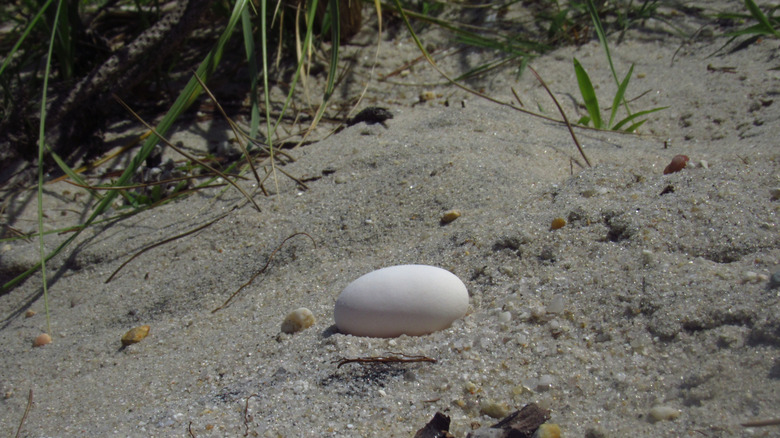
If snakes decide to move into your mole tunnels, you're most likely to know about it if you see the snake crawl out. However, there are a few other signs that indicate snakes. If you have a lot of dirt in your yard, you might see tracks from where they slither. Snakes also lay eggs in holes that you might be able to see, but one of the most obvious snake signs are the skins they leave behind. If you discover a snake in your yard, identify whether or not it's venomous. Rattlesnakes, cottonmouths, and copperheads are common venomous snakes in North America that hide underground. If you see one of these snakes, call animal control for its removal.
How to control snake and mole populations in your yard
Grubs attract moles to your yard because they're a food source. Like moles, grubs damage the root systems of your grass. Unlike moles, grubs damage the root systems directly by feeding on them. Signs of a grub infestation include thinning grass, yellowing grass, and dead patches throughout your lawn. You probably have a grub infestation if your lawn's turf pulls away easily when you lift it. A good way to get rid of moles in your yard is to get rid of grubs, their food source.
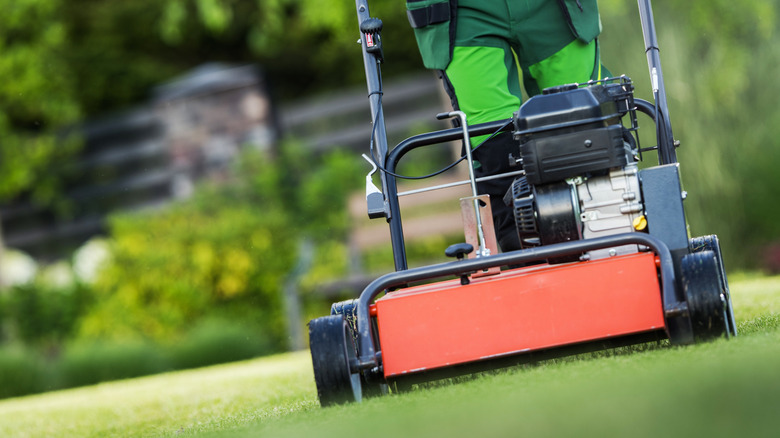
One primary aspect of lawns that can attract grubs is too much moisture, so consider setting up a proper irrigation system that lets your lawn drain during foul weather. Another way to promote drainage is to aerate your lawn every spring. You can also keep your grass 3 inches or higher since grubs prefer to lay eggs in shorter grass. If you want to handle your mole issue more directly, try Yarddog mole traps. You can also create a mixture to repel moles using household ingredients.
Once you discourage moles from your lawn, you might see less snakes since they have less to eat. You should also fill in the openings of mole tunnels to make sure snakes can't get in. If you continue to have issues with snakes, there are several ways to discourage them, such as eliminating water features they drink from, including ground-level bird baths. You can also keep them off your porch or patio by pouring essential oils around, such as cinnamon.