

An Underrated Camping Tool Will Protect You From Wildlife
We may receive a commission on purchases made from links.
The cities and suburbs have eradicated large portions of the natural world, and, as a result, we spend our lives surrounded by concrete and steel, resting and working in air-conditioned spaces and burning gallons of gas to travel between the two. While this paved demarcation has begun to crumble over the last several decades with climate-related disasters, millions of Americans only see true nature every few years, or maybe even a couple times in their lives. But it is there if you look for it, surprisingly close to the metropolises. The United States is home to over 193 million acres of national forests and grasslands. These places are wild and beautiful, and they belong to the citizens of the world. But they are also dangerous. These are places where grizzly and black bears roam the hills.
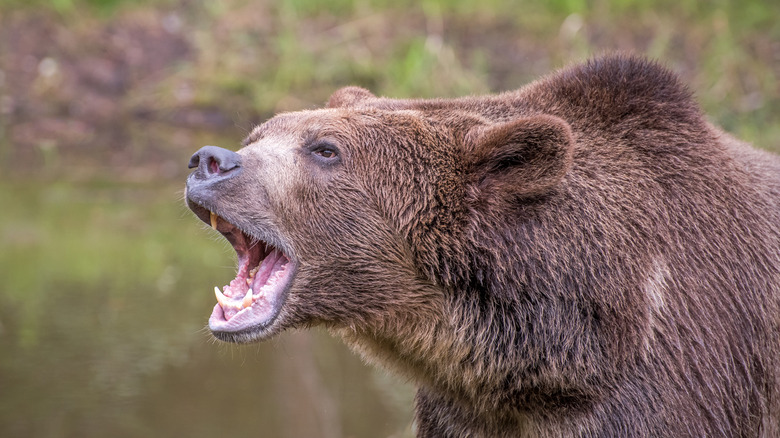
If you enter the wilderness, you need to be prepared to cross paths with these creatures. Generally, they don't want to have anything to do with people, but eight people were killed by bears in the U.S. between 2020 and 2022. Attacks sometimes happen because we break the contract we have with the animals. As long as we do not violate their space, they tend to leave us alone. But a quiet hiker can accidentally sneak up on a bear and startle them. Occasionally campers will feed these animals or unintentionally leave food out for them, and bears will enter campsites, especially in the winter when food is scarce. It's also common for hikers and backpackers to stumble upon bears that are searching for food in the summer months, while they are bulking up for hibernation. An air horn can sometimes offer protection during these encounters without hurting the animals. This tool is more effective against black bears, which are usually less aggressive than grizzlies, also called brown bears.
How and when to use an air horn
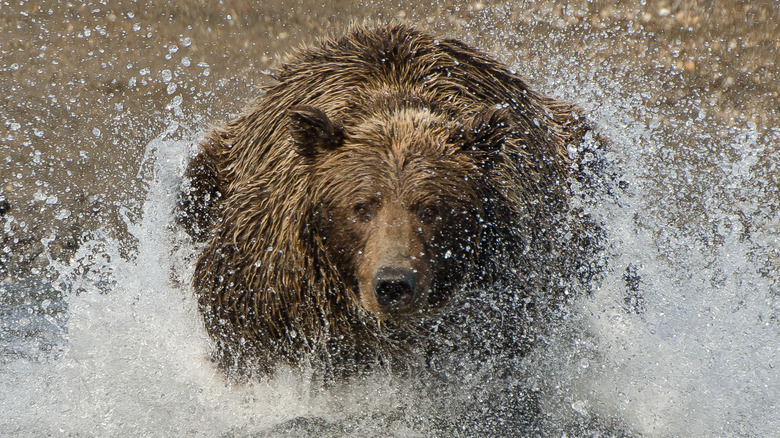
Once you're outside of the suburbs, and even in certain suburbs, it's possible to run into a bear. Black bears occasionally enter densely populated areas in search of our trash. While they can sometimes be dangerous, these bears aren't very aggressive. Once you get out into the wilderness, depending on where you are, you're more likely to run across a grizzly bear. These hunting machines are much more powerful and much larger than black bears, and more likely to charge. Their size can reach up to 700 pounds, and they can run at 35 miles per hour. Like all bears, grizzlies are the most dangerous when they feel that they or their cubs may be threatened.
Air horns are a great tool to have in dealing with either black bears. But it is not as effective a deterrent as bear spray, so in areas with grizzly bears, that is the preferred option.
You should use your horn only when a bear is charging you. You can deploy the horn by pointing it in the direction of the charging bear and holding down the button on the top. Instead of holding down the button constantly, trigger several distinct blasts. You should never run from a charging bear. If your air horn fails while a black bear is charging, fight back with the most violent means you have at your disposal. For a grizzly bear, play dead by laying flat on your stomach, and covering your neck with your hands and arms. Keep your pack on. If a grizzly attack persists, attempt to fight back. Always aim for the bear's face.
Best air horns on the market
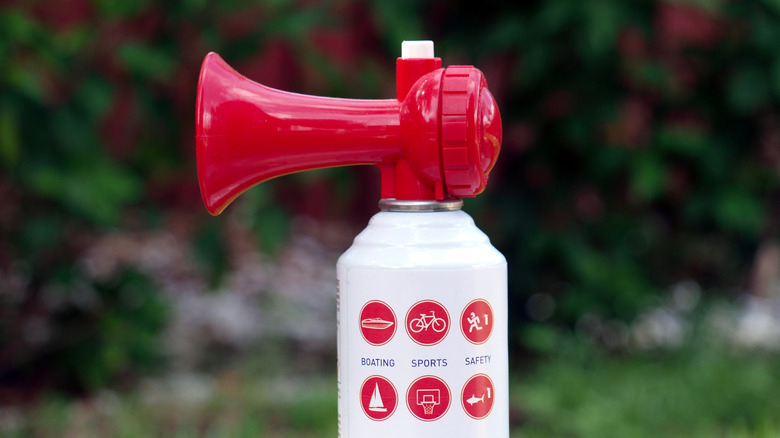
Air horns are relatively affordable, selling for about $10 to $20. Amazon sells a range of options, but you can also buy them cheaply at Walmart or just about any sporting goods store. Fingig manufactures and sells a popular air horn with 4.4 stars out of 82 reviews. One five-star review joked that they returned it because it was too loud. In the case of a bear attack, that's exactly what you need. Some of the negative reviews seemed to disagree about the horn's effectiveness, stating that the horn wouldn't scare off coyotes. SeaSense sells an air horn that has a 4.4-star rating out of over 5,800 reviews. One of the reviews stated, "We have two belligerent bears who constantly try to get our bird feeder, and unlike most bears, they will challenge us when we try to chase them. The air horn sent them running."
These horns are not just useful for bear attacks. If you injure yourself on the hiking trail, you can use them to signal for help. They are also a must-have if you plan to take a boat out on any body of water larger than a small pond. You can signal for help using three sharp blasts, the international sign for SOS.
Since air horns use aerosol, they will lose pressure over time, so you should replace them every one to three years. You can tell if an air horn is leaking if it makes hissing sounds while not in use. It's also important to store these horns inside when you're not out on the trail. Hot cars and freezing sheds are not ideal. Other steps you can take to protect yourself from bears include hanging up your food in bags away from the campsite and keeping your cooking area clean.