

The Hibiscus-Like Flower That'll Liven Up A Shady Garden With An Array Of Wildlife
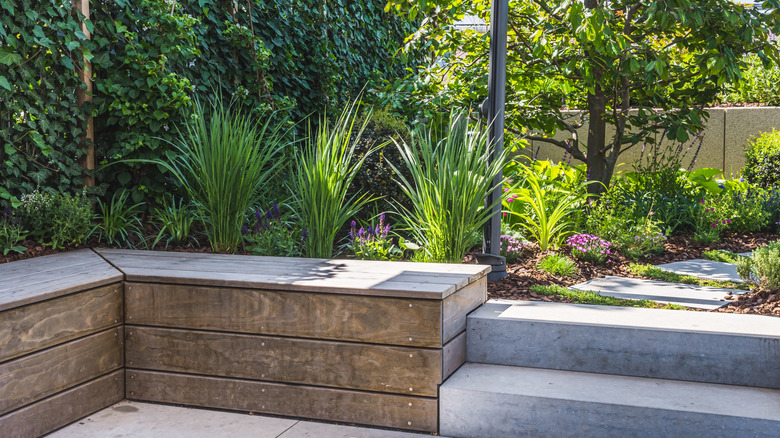
If your yard has more shade than sunlight, you can still have a beautiful garden full of wildlife, gorgeous flowers, and a variety of plants and trees. All it takes to have a beautiful shady garden space are the right type of flowers, a shade-loving ground cover for extra color, and trees that thrive in darker conditions. Luckily, there are a lot of them to choose from.
One type of flower that will add more color to your garden and attract hummingbirds is the shade-tolerating Turk's cap (Malvaviscus arboreus). This gorgeous perennial is native to Texas and Central America. The striking plant features bright red tube-like flowers — similar to hibiscus — that are magnets to hummingbirds and other pollinators. It's the perfect addition to a shady garden space and because it's easy to grow, Turk's cap is ideal for newbie gardeners. The flowers will eventually give way to tiny fruits, further attracting small mammals, birds, and beneficial insects to your yard.
Other common names for Turk's cap include sleeping hibiscus, manzanita, bleeding heart, wax mallow, and Mexican apple. Be sure not to confuse Malvaviscus arboreus with a couple of other flowers that may be called "Turk's cap." Malvaviscus penduliflorus, for instance, is native to Mexico and grows downward rather than straight up. Lilium superbum, also known as Turk cap's lily, isn't even in the same family. Knowing the scientific name Malvaviscus arboreus will prevent you from getting the wrong flower.
How to plant and care for Turk's cap
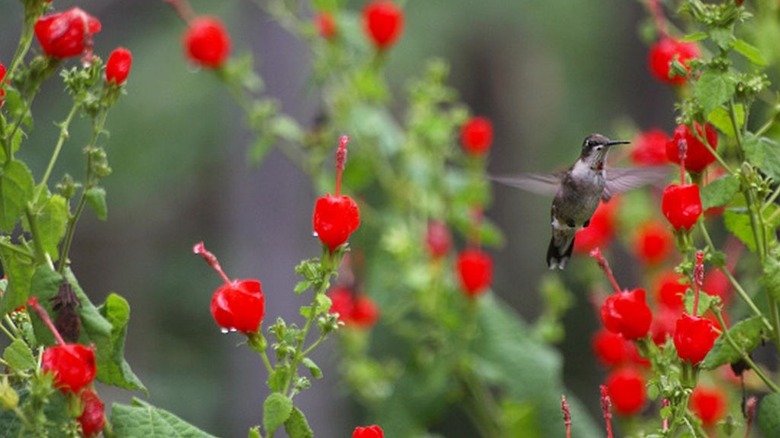
Once you're sure you have the right plant on your hands, taking care of this beautiful flower is easy. While it is a hardy plant and can thrive in a variety of conditions and soil types, it does best planted in a woodland-type soil that is moist and well-draining. It is tolerant of drought conditions once established, however, and does wonderfully under the shady areas of your yard. In fact, if the lovely hibiscus-like flowers get too much sun, the leaves will become puckered, rougher, and a lot smaller.
The Turk's cap shrub can grow up to 10 feet high and wide, but often stays around 2 to 3 feet instead. It blooms for a good chunk of the year, starting in late spring and will keep going until the first frost, which means that all the pollinators and wildlife will have plenty of food for most of the year. While Turk's cap prefers U.S. Hardiness Zones 9 through 11, it can also tolerate zone 8.
Watering needs are light with Turk's cap once it's full grown. It can handle moisture, but doesn't do well in standing water. If you get regular rainfall, you likely won't need to water except once every couple of weeks. Once you've got your Turk's cap established, don't forget that there are many other shade-loving perennials that will brighten up a shaded garden and add some beautiful color to your yard, like foxglove, hostas, and hydrangeas.