

Why You Should Reconsider Trying The Salt Method For Getting Rid Of Ticks
We may receive a commission on purchases made from links.
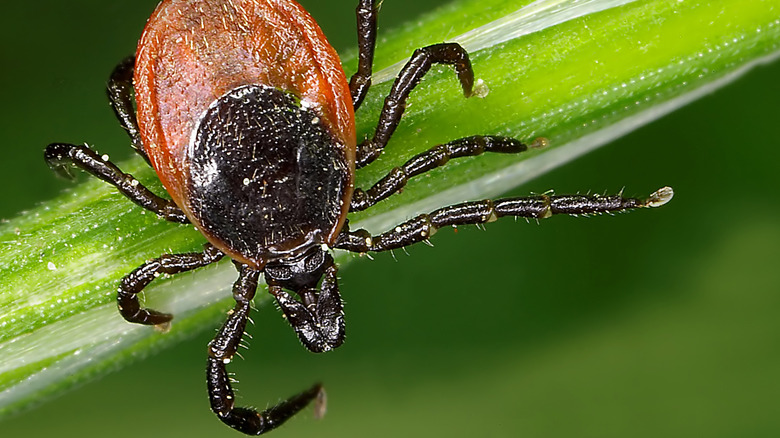
Ticks can be a big headache for anyone spending time outside — even if it's in your own backyard. Given that ticks spread several dangerous diseases to people and pets, it is only prudent to try your best to avoid being bitten. When it comes to ensuring outdoor living spaces remain tick-free, some people advocate using salt around your lawn, garden, and house as a chemical-free pest repellent. While studies have show that salt and saltwater solutions have some level of lethality against ticks, the reason you should reconsider trying the salt method for getting rid of ticks is the same reason you should avoid using salt to kill weeds or as an ice melt: Excessive salt can harm lawns, gardens, and pets, as well as damage the concrete and wood around your home.
Whether its with our bodies, our lawns, or gardens, salt has both potential benefits and perils. When it comes to using salt to get rid of ticks, the amount required on a daily basis would inevitably cause harm to the grass in your yard and the infrastructure around your house it comes in contact with, such as concrete sidewalks and driveways, wooden decks, and metal drains. Too much salt will lead to dead spots in your lawn. It can also stain and discolor concrete. What's more, even studies that find saltwater is effective in killing ticks and their eggs argue it is far less effective than other solutions. So all the potential damage done could be for naught anyway.
What to use instead of salt to repel ticks
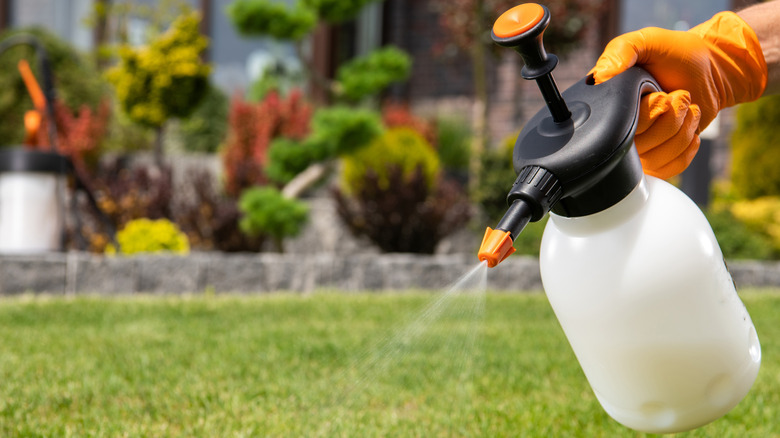
After scratching the salt method off your list, you may be wondering what you can do to keep your backyard free of these disease-spreading pests. Of course, there are a number of pesticidal products which can be applied to your lawn to get rid of ticks. However, there are also plenty of more natural options, including lawn sprays such as Wondercide flea, tick & mosquito spray, which is derived from plants and essential oils. In addition to spraying your yard with such a product, be sure to keep your grass well-trimmed. Allowing your lawn to grow too tall is a lawn care mistake that attracts ticks as well as fleas.
Beyond regular mowing and spraying, it helps to place tick tubes around the perimeter of your yard and garden. While there are a variety of commercially-made models available, you can also easily DIY tick tubes using empty paper towel or toilet paper tubes, cotton balls, and permethrin spray. You can also add plants that repel ticks to your lawn and garden. Creating barriers with plants such as rosemary, juniper, and wormwood or adding some pyrethrin-containing flowers such as chrysanthemums or marigolds can help keep ticks from invading your backyard. A combination of these techniques will likely give much more protection than salt on its own, and with far less damage to plants, people, or pets.