

The Biggest Rookie Budgeting Mistake That's Costing You More On Your Hiking Trip
We may receive a commission on purchases made from links.
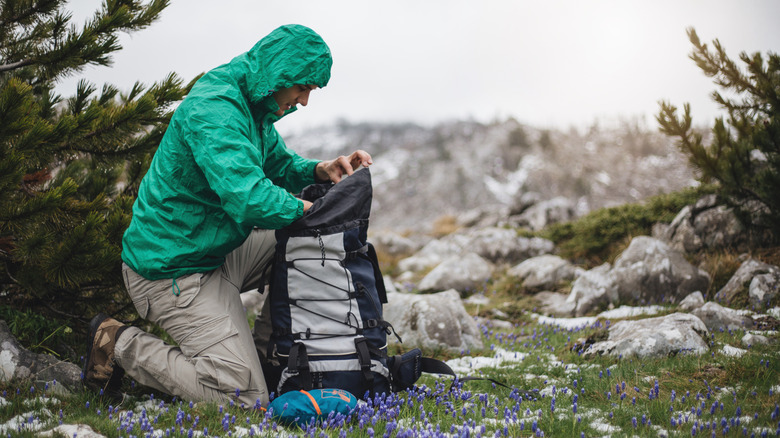
Hiking is often touted as an inexpensive activity, and it can be. While it is true that hiking can be significantly less expensive than some other outdoor pursuits, there are still costs involved. In fact, the biggest rookie budgeting mistake on your hiking trip is not accounting for all of these costs once you're ready to hit the trail. The best way to avoid this mistake and not get hammered by hidden expenses is to thoroughly plan and budget for your hike, even if it's a relatively short one.
Those new to hiking are often enamored by the fact many hiking trails are free. However, both gearing up and getting to (and on) the trail all comes with a cost. Just buying the 10 hiking essentials you need in case of emergency can add up much more quickly than many beginners realize. That's just the start: Add to that other essential gear and supplies for the day and costs begin to mount. Quite often, these expenses will only be compounded if haven't accounted for them up front and need to make purchases en route or at the trailhead. As with any activity, equipment, food, and trail passes are often much more expensive on site than if you'd purchased everything in advance.
Plan ahead to avoid unexpected expenses on your hiking trip
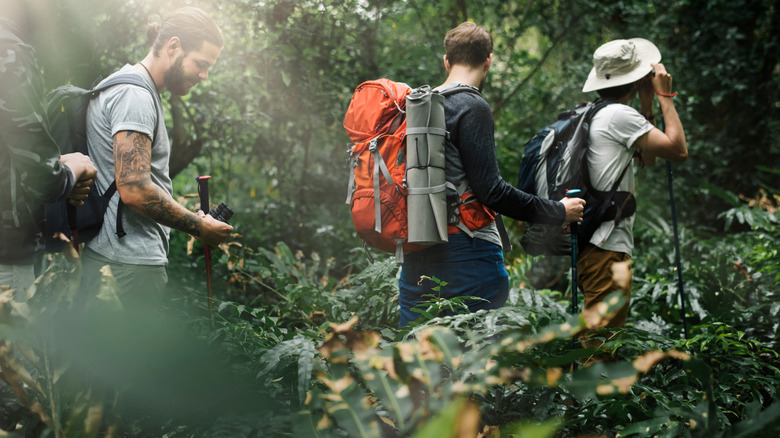
The best way to avoid unexpected expenses is to make a checklist of all the gear you need, food and drink, and trip-specific items such as transportation and permits. This same list can be used to help keep track when you need to replace or update your gear. It can also used as a packing list to ensure you don't forget anything, which is one of the biggest hiking packing mistakes to avoid.
Starting with the basics, you need a backpack or sling-bag, hiking shoes or boots, seasonally appropriate clothing, compass, first aid kit, flashlight or headlamp, and a knife or multitool. These items are necessary for everything from a day hike to a multi-day through-hike. Food and water also must be taken on every trip, the amount of each will need to be adjusted for the length of the trip. Many hikers opt to carry a filtration device such as the LifeStraw personal water filter in their pack at all times to ensure they have a safe supply of drinking water.
When it comes to trip-specific expenses, start with transportation. This is often overlooked, especially on short trips. However, whether it be $5 or $500, you need to include it in your budget. You also need to consider additional fees such as parking and park entry fees. It is also important to find out ahead of time if you need a hiking permit or regional trail and park pass. On overnight trips, you also need to consider accommodation expenses, whether that's for a camping permit for staying along the trail or a nearby hotel room. After adding everything up, it's wise to throw in a little emergency stash just in case any unforeseen expenses arise.