

A Lesser-Known Herb That'll Help Improve Your Garden Soil's Health
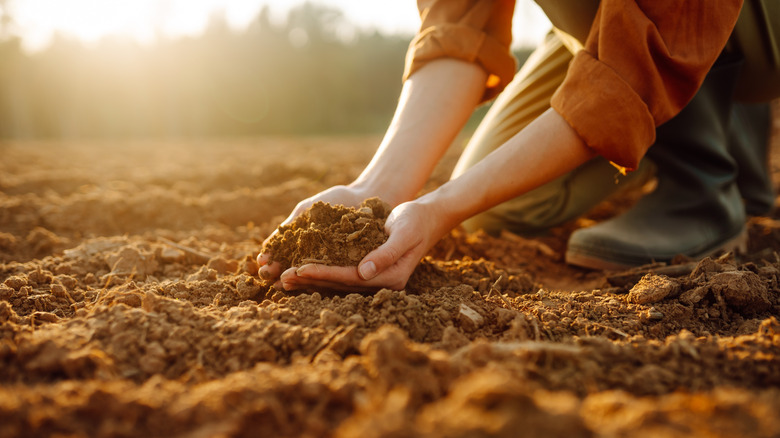
To successfully grow healthy vegetables and flowers in your garden, you need to start with healthy soil. Well-draining loamy soil is usually the favorite of most vegetables. You can easily test your garden soil with the help of an old Mason jar to find out what type you have in your garden. Test kits can also often detect the pH and the levels of the three main elements found in the soil: Nitrogen, phosphorus, and potassium.
One of the most common deficiencies in soil is lack of nitrogen. One of the ways you can tell if your garden is lacking in nitrogen is by looking for weak harvests, plants with yellowing leaves, and stunted vegetable growth. If you want to improve the health of your soil, look for plants that add nitrogen to your garden soil – like a helpful herb known as fenugreek.
Although fenugreek isn't as common in the U.S. as other herbs, it offers a host of benefits to the garden and has been referred to as "green manure" due to its amazing benefits. Fenugreek improves the soil's fertility and structure with its roots which grow deep, breaking up the soil and improving drainage. Another benefit of this nitrogen-fixing herb is that it can thrive in low-quality soil, and then turn around and improve it for other plants — making it a great cover crop. It can act as a natural pest repellent, too, which helps maintain a healthy ecosystem in the garden.
How to plant and care for fenugreek for the best soil health results
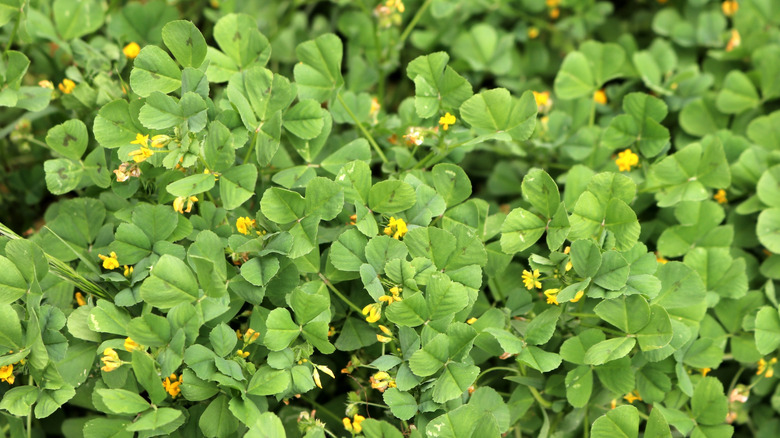
For the best results for your fenugreek, mix up compost or rotted manure into the soil prior to planting the seeds. Fenugreek is a sun-loving plant that does best with four to five hours of direct sunlight each day, but will be fine with afternoon shade. Make sure the soil is well-draining and not waterlogged, which can negatively affect the fenugreek's growth and can cause root rot.
Plant the seeds about ¼ inch deep and 2 to 4 inches apart so they are not crowded. To encourage a lot of lush growth, every so often you should pinch off the top third of your mature fenugreek plants. If you're not collecting the seeds for anything, you can prune up to 6 inches of the mature plants off the top, which will encourage it to grow more and not seed. Fenugreek doesn't transplant well so you will need to sow the seeds directly into the garden soil.
After planting fenugreek, the herb may work with any rhizobium bacteria that is already in the soil to fix nitrogen levels in the soil. If this happens, you'll see small tubers on the roots of the plant when you carefully dig one up. Fenugreek can also restore essential minerals to the lower layers of soil with its deep roots. You can also expect some soil sterilization from the fenugreek, which may ward off plant-killing soil diseases that can ruin your crops.