

A Common Nutsedge Removal Trick You May Want To Avoid
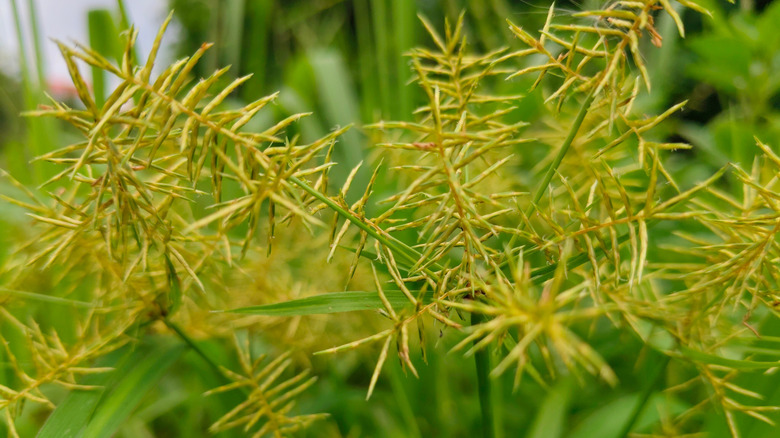
It doesn't matter if they are in your lawn, in your gravel driveway, or in your flower beds; weeds are not appealing, and getting rid of them is even less appealing. There aren't many gardeners out there who are raring to go weed the garden or yard. Whether you are using this mowing technique as an effective way to control pesky weeds or keeping your gravel areas weed-free with these simple tips & tricks, weeding is a part of gardening that has to be done.
Nutsedge is a common weed that can cause some problems when it comes to removal, due to the fact that most traditional lawn herbicides aren't effective at killing it. To add insult to injury, nutsedge is a perennial, so even if it dies off in the fall, the rhizomes and the tubers make it through the winter to come back in the spring. While there are many suggested removal hacks for getting rid of nutsedge, one removal trick that you may want to avoid in your quest to remove this annoying and persistent weed is using hydrogen peroxide.
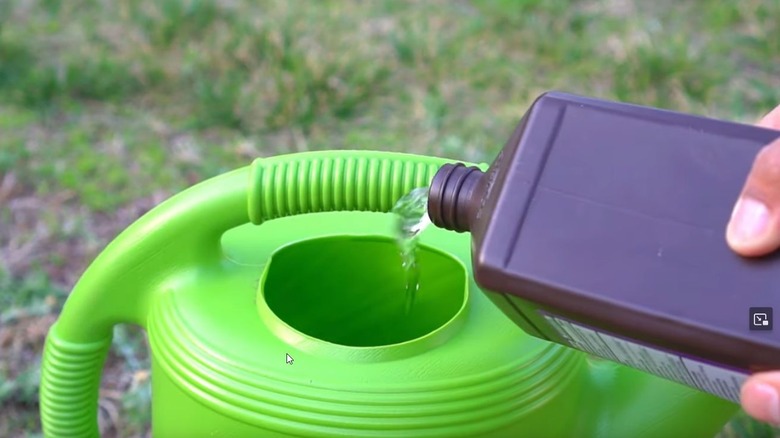
While hydrogen peroxide can possibly kill some weeds, it is very important that it is used correctly. The 3% concentration usually sold in stores is not very effective at killing weeds on any long-term basis. The biggest problem, however, is that it is not selective, and can also kill grass, plants, and organisms you don't want to kill. Another issue with peroxide, like a lot of natural methods, is that while it may kill the weed above ground, it usually doesn't kill the roots, so the nutsedge just grows back.
Alternative methods for removing nutsedge naturally
Many discussions have been had on various forums regarding removing nutsedge successfully. The overall consensus is that it is possible to remove, but it will take some work. One of the best ways to remove nutsedge, according to a post on Quora, is to remove the roots by hand with a screwdriver or butter knife. Just hand-pulling is not going to do it, though. Hand-pulling the weed will usually result in leaving the roots and rhizomes, which means the plant will grow back. Instead, you can use this lesser-known weeding tool that is a must-have for any gardener to get directly to the deeper roots.
The trick to digging out the nutsedge plants is to make sure to get the roots and the whole plant, then dispose of it in a lawn trash bag. If you prefer not to use a weeding tool, you can dig a large hole around the root of the nutsedge and remove it that way. Fill in the holes you have dug with potting soil and grass seed that you use for your lawn, and the holes should fill in nicely.
Another alternative method is to smother the nutsedge with plastic sheets or a tarp in the spring and summer. This method involves trapping heat underneath the plastic and basically cooking the plant until it is no longer alive. Smothering usually takes a few months to be successful. While these methods may take a bit more effort than peroxide, you'll have longer-lasting results.