

Laws You May Not Know About At US National Parks
We may receive a commission on purchases made from links.
Many outdoor enthusiasts enjoy visiting U.S. national parks. It is not unusual for these adventurers to have a national park bucket list and visit numerous parks in various parts of the country over time. These visitors engage in an array of activities such as hiking, camping, fishing, and nature watching. However, one of biggest mistakes people make when visiting national parks is not knowing the applicable rules, regulations, and laws. Many of these statutes may seem obvious. But just as there are national park activities you might not know about, there are likely laws you are unaware of as well.
A good number of the rules, regulations, and federal laws within national parks tie back to the leave no trace principles. While that may make it seem as if these rules would be obvious and easy to anticipate, the fact is there is a myriad of laws that apply to actions many park visitors believe to be perfectly acceptable. To avoid inadvertently breaking federal laws while recreating in national parks, you should be sure to review the rules and regulations before your next national park visit. Additionally, even if you know the rules of your favorite park by heart, you need to review the rules for each new place you visit, as there are often park-specific regulations and restrictions.
Restrictions apply to pets in national parks
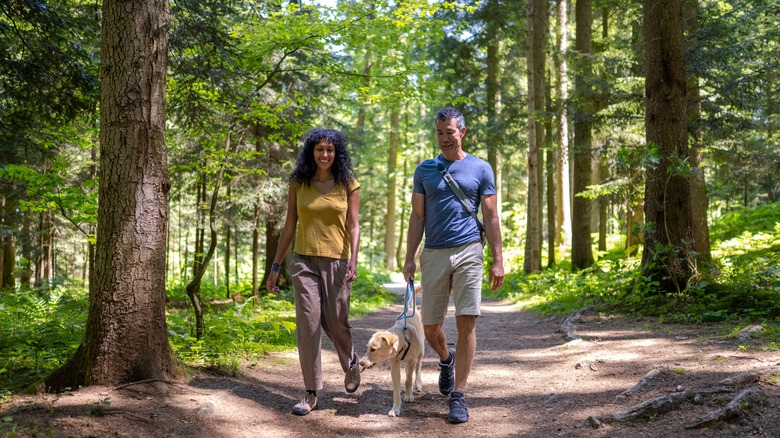
Rules regarding pets in national parks can be tricky. While most national parks are ok with you bringing your pets, there are limits as to where they can go and what you can do with them. While there are a few national parks that allow dogs on hiking trails, the vast majority of national parks prohibit pets from being brought outside of developed areas. Additionally, even in areas in which pets are allowed, they can never be left unattended and have to be "confined" at all times when not on a leash. This means that they either have to be secured in a crate or cage. When not in such an enclosure, they must be tethered to a leash no longer than 6 feet, like the Taglory 6-foot rope leash.
In addition to keeping pets contained, it is imperative that the pets are well-behaved. It is illegal for pets to make excessive or unreasonable noises, such as barking or howling, that either frightens wildlife or annoys other park visitors. Owners are also required to pick up after them. This may seem somewhat odd given that the wildlife obviously doesn't dispose of their waste in containers. But, domestic pet excrement must be picked up whether in developed areas or along the trails on which dogs are allowed. Additionally, there are also a variety of park-specific pet regulations. For example, it is illegal to take dogs, cats, or any other pet river rafting in Grand Canyon National Park.
Watch how you use water within national parks
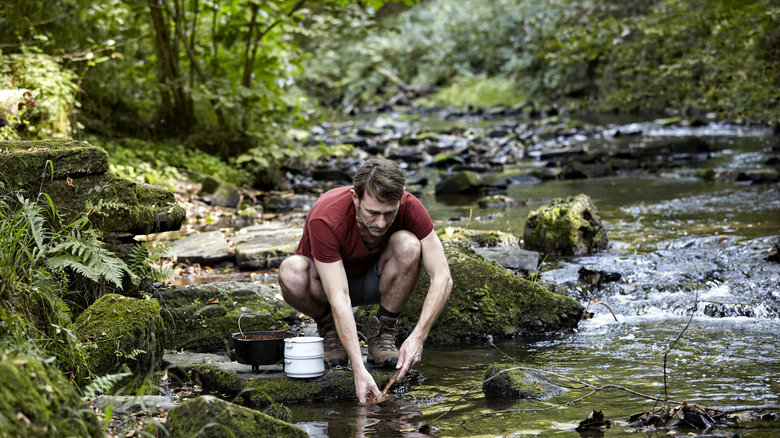
Many campers relish being near the water when camping in national parks. Not only do rivers and lakes provide recreational opportunities such as fishing, canoeing, swimming, paddleboarding, and more, they provide a handy supply of water for various campsite duties. At least that's what many campers and hikers believe. In reality, it is actually illegal to use these waterways for things such as bathing or washing dishes and clothes. Nor can you use the public water fixtures for these purposes unless they are specifically designated for such use.
If you are camping near bodies of water within a national park, you should actually take precautions to make sure that water is not contaminated with anything from your campsite, whether it be food, human waste, or solid trash. Any such pollution of the water is a violation of the law. Fishermen who keep and clean fish also need to be careful where they toss those remains. While the remains cannot be disposed of on land, they also can't be tossed in water close to docks, boat ramps, or swimming areas. In some parks, such as Hot Springs National Park, it is also illegal to fill containers with water from certain bodies of water.
Always be on your best behavior in national parks
There is a wide ranging array of laws pertaining to personal behavior, trail and camp etiquette, and treatment of wildlife within national parks. The section of laws regarding disorderly conduct within national parks covers everything from fighting to obscene gestures and foul language to creating harmful or offensive physical conditions. These codes apply to all national parks. However, banned behaviors are not limited to those impacting fellow park visitors. There are several statutes which help shield wildlife from disruptive human behavior as well. Feeding wild animals is strictly prohibited, as is teasing or harassing creatures that inhabit the park. It is also illegal to purposely disturb or scare any animals that are mating, nesting, or resting.
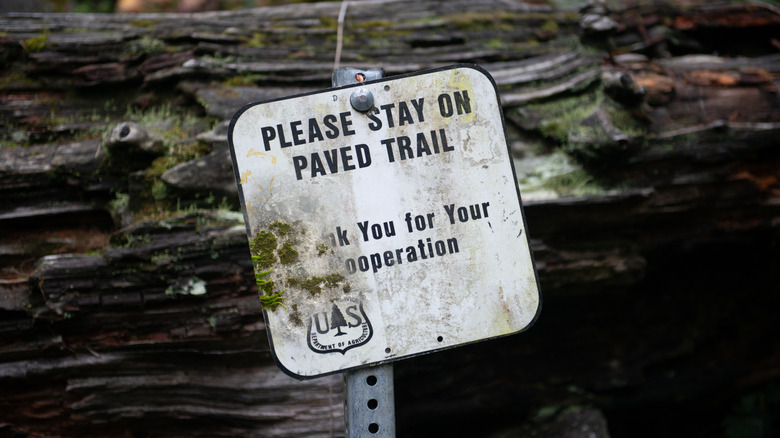
Proper hiking and camping etiquette is also mandated in national parks. With the exception of areas in which off-trail hiking is deemed permissible, visitors must remain on established trails at all times. It is also not allowable to block or obstruct trails and in areas where horses and other pack animals are utilized it is illegal to try and scare or startle those creatures. In some national parks, there are also limits to the number of people you can have hiking or camping together.
Various vehicles are restricted or banned
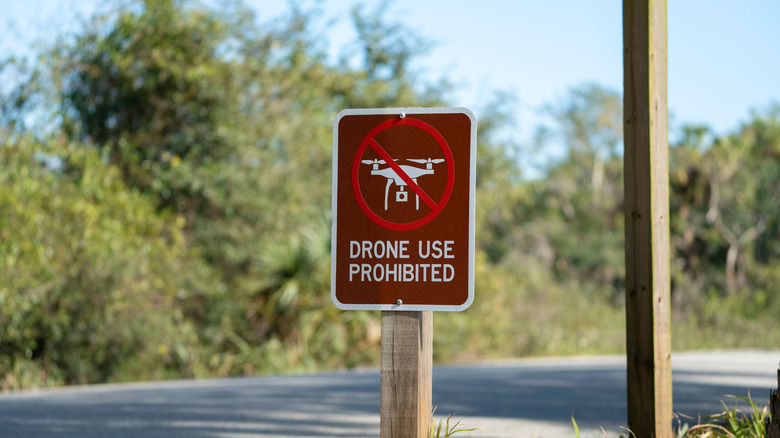
Before arriving at a national park for an outdoor adventure, you also need to be aware that certain vehicles and devices are restricted or prohibited altogether. The operation and use of hovercrafts, for one, is prohibited throughout all national parks. Likewise, drones — which have become increasingly popular and common — are not allowed. Other vehicles, including snowmobiles, cars, trucks, and ATVs are often restricted to certain usage areas of national parks. In some national parks, off-road vehicles are not allowed at all.
Bikes, boats, and even skateboards are the topic of rules and regulations in various state parks as well. Skateboards, roller skates, and rollerblades, for instance, are only allowed to be used in parks that have a specifically designated area for that purpose, such as a skate park. The use of both traditional and electric bikes are restricted to specific roads and trails in national parks. Each park has its own set of rules regarding these vehicles (including for different classes of e-bikes), so always inquire ahead of your trip as to what restrictions apply. Likewise, you should also check for any areas in which vehicular access for cars, trucks, and vans is restricted or not recommended. Furthermore, while many national parks allow boating, particular parks and/or water bodies may restrict the size of vessels or type or propulsion that can be used.
Leave things the way they are
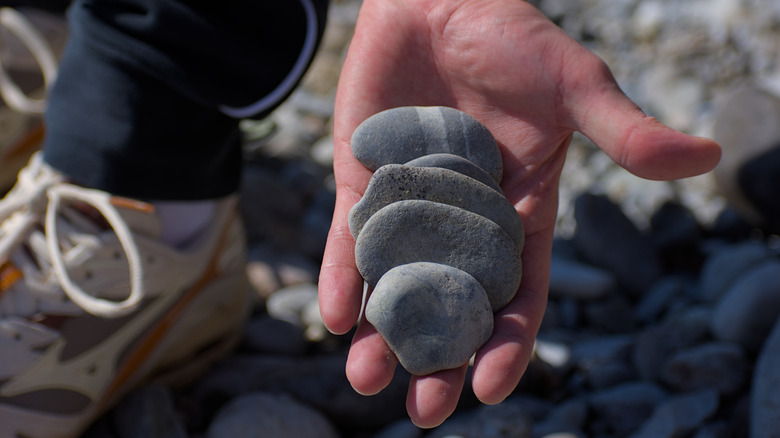
It's human nature to want to gather mementos. However, when visiting national parks, it is best to leave anything you find right where you found it. Most people seem to know and understand that taking objects such as historical artifacts or fossilized remains is not allowed. However, even seemingly innocent acts such as picking a bouquet of flowers can get you in big trouble, as picking, cutting, or damaging wildflowers in national parks is a crime. Whether it be bird feathers, fossils, flowers, or rocks, removal of items from national parks is not legal.
Not only is it illegal to gather or take these items with you, it is also a crime to disturb them. There are literally laws on the books against actions such as throwing, rolling, or stacking rocks. The idea behind this twofold: There could harm done to the often fragile ecosystems found within national parks (like geysers), and rolling rocks into valleys, caves, and other "blind" areas is dangerous to hikers, animals, and structures below. Along those same lines, it is also illegal to move or possess dead fish or animals or items such as antler or snakeskin sheds.
In order to protect the ecosystem in national parks, these laws don't just prohibit taking items from parks. It is also illegal to introduce plants, animals, or seeds to national parks. This means that you should not only refrain from releasing creatures or plants, but also take precautions to ensure you don't inadvertently bring these life forms into parks. Cleaning and rinsing boats, truck undercarriages, brushing off shoes, and thoroughly cleaning out tents and backpacks before you arrive are some of the actions you can take to avoid accidentally introducing invasive species.