

A Popular Mosquito-Attracting Flower That You Should Avoid Planting
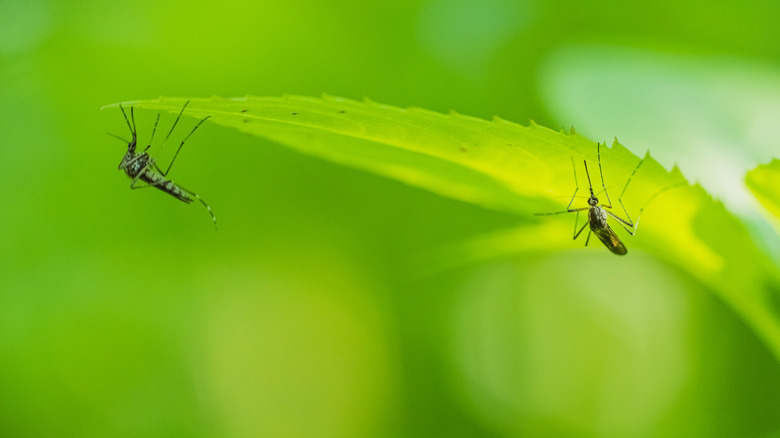
Mosquitoes can be a huge problem in the summertime — ruining cookouts and camping trips, and causing annoying bites that itch like crazy. They also transfer diseases to people and animals, particularly dogs and horses, so finding ways to eliminate them is beneficial for humans and pets alike. There are several ways to repel and prevent mosquitoes from invading your yard including sending them away with a common kitchen spice like cloves and using pine needles to naturally repel them especially when hiking or camping. There can also be a culprit hiding in your yard or garden: One mosquito-attracting flower to avoid is the water hyacinth (Eichhornia crassipes 'Mart'). It looks pretty but this flowering plant causes a number of problems, serving as a breeding ground for mosquitoes topping the list.
Water hyacinth is an aquatic plant native to South America that was introduced into Florida back in the late 1880s. This invasive plant eventually covered more than 120,000 acres of the state's public rivers and lakes and continues to be a problem. This problematic plant has an astonishing growth rate, and can literally double its coverage in two short weeks. Water hyacinth typically forms thick blankets of vegetation over the water choking out other aquatic plants, causing them to decay and die. The decaying then reduces the amounts of dissolved oxygen in the water which in turn affects fish and other aquatic life. It is not unusual to see areas below blankets of water hyacinth possess no aquatic life at all. This stagnant water with no life is the perfect place for mosquitos to breed and lay eggs because they have to have standing water to lay those eggs.
Getting rid of water hyacinth safely
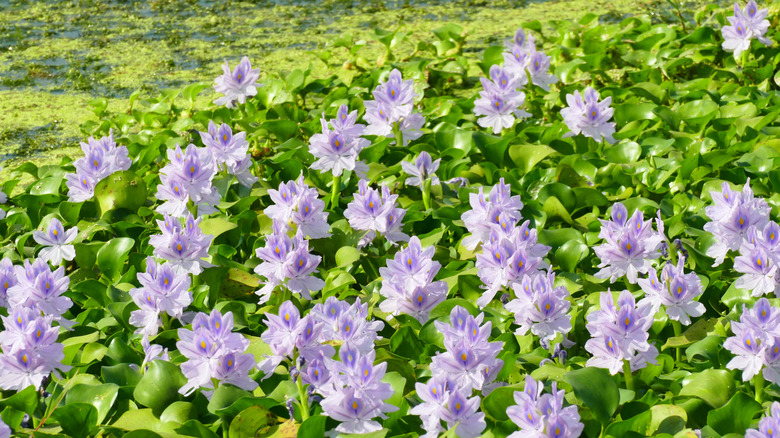
If you have water hyacinth and it's not out of control yet, it's important to remove it before it gets a strong foothold and does a lot of damage. Water hyacinth dramatically increases the mosquito population in your garden or yard. Mosquitos lay their eggs in the gaps between the leaves, in the stagnant water the plants create. These heavy blankets of pads on top of the water also deplete oxygen, making it impossible for fish to survive in the waters covered by these plants. This is why if you have a lot of water hyacinth on your pond, you will notice a large amount of mosquitoes. If you get rid of the water hyacinth the mosquito problem will also improve.
Using waterproof work gloves, start pulling the plants out of the water. The roots of the water hyacinth are long and hang down into the water but pulling them out should not pose too much of a problem. Keep pulling the plants out of the water until you have removed them all, then dispose of the waste in lawn bags so it doesn't spread again. Don't just toss them to the side or they can come back as if you hadn't removed them at all. If pulling it out of the water doesn't work, or you have too much to pull out by hand, you may have to go to more extreme measures: Drain your pond, remove and chop up the hyacinth far away from the water, dispose of it in double-thick bags, then refill your pond. Once clear, you can also work to attract this other bug to your yard that will help keep the mosquitos at bay.