

Keep Giant Ragweed From Taking Over Your Yard With These Tips
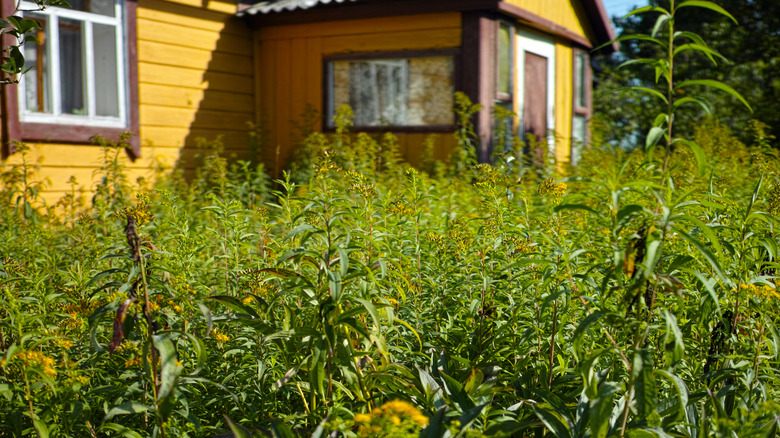
Left unchecked, weeds can overtake your beautiful backyard or garden. In fact, failing to weed is one of the mistakes beginning gardeners make way too often. Nevertheless, not all weeds are created equal. The pervasive and tenacious giant ragweed can not only wreak havoc on your yard, but it can also cause severe allergic reactions, sending you into a wild, watery-eyed, runny-nose, sneezing fit. The solution, however, is simple. Understanding giant ragweed, identifying it, and acting accordingly, you can easily prevent this unwanted, overgrown plant from taking over your yard and keep it at bay.
Giant ragweed (Ambrosia trifida) is an annual plant native to North America. It grows all across the states, but is especially prevalent in the corn belt. This obnoxious plant grows rapidly, thriving in areas with low moisture and plentiful sunlight. Thriving in these conditions, ragweed will shoot up fast, exploit available water and light, and dominate any nearby plants that you may want to keep. It emerges early in the spring, quickly grows very tall, and blooms in the fall, where it produces allergy-causing pollen by the buckets.
Allergies are one of the sneaky dangers of gardening you should be aware of. As if giant ragweed couldn't get any worse, people often blame beautiful, innocent Goldenrod for the sneeze-inducing pollen the neighboring ragweed creates. Believe it or not, ragweed is among the top pollen-producing plants in the U.S. Even just one plant can produce up to one billion pollen grains over a growing season.
Tips for managing giant ragweed in your yard
To eradicate giant ragweed, you must first understand how to identify it. Ragweed grows vertically and is tall, reaching up to 15 feet. Its leaves feature three to five lobes, and in the fall, blooms a long, spikey flower covered in wind-carried pollen. Now that you know how to spot giant ragweed, it's time to act.
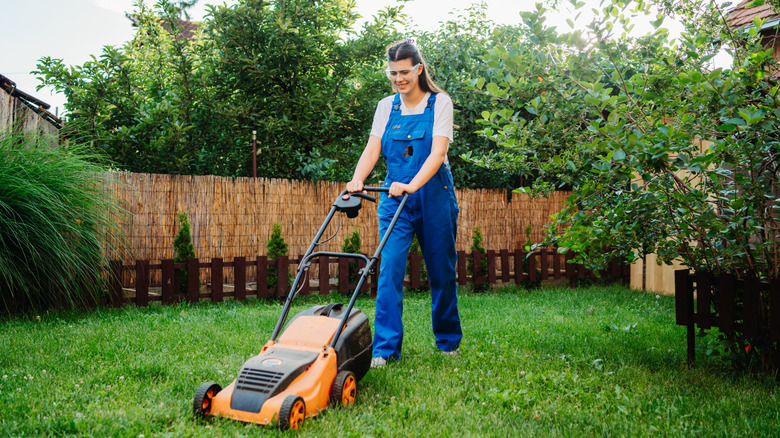
Ragweed roots don't dig deep and can be pulled in the right conditions. Pull ragweed before it flowers and after rain, when the soil is damp. Choose a cool, cloudy day with no wind. If you have to clear a large area during autumn when the weed's pollen count is highest, wear PPE, whether you are highly allergic or not. Wash up afterward, and wash your clothes. Also, be mindful of shoes and pets tracking pollen in your home. Once you've pulled the weeds, prevent their return with regular lawn maintenance. A simple mowing technique is the most effective way to control pesky weeds.
Herbicides may not be worth the risk to the neighboring plants you want to keep. If you choose herbicides, however, pick a day with no wind and wear PPE. Also, keep kids and pets out of the area until you're done. Spray the area to wet the weeds, but not to the point of dripping. After a couple of weeks, the weeds should begin to yellow. If you see green, you may need to recoat. A post-emergent application of 2,4-D in combination with glyphosate is considered the most effective.