

The Most Dangerous Spot In Grand Canyon National Park You May Want To Avoid
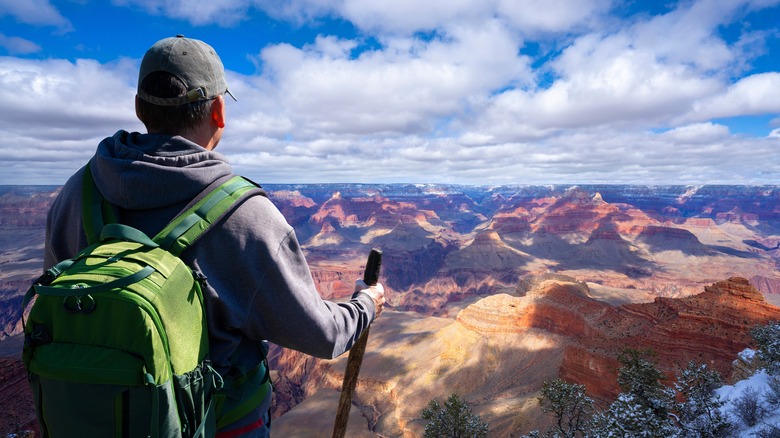
The Grand Canyon is one of Earth's most dramatic masterpieces. It's a 277-mile-long chasm carved over millions of years by the Colorado River, exposing layer upon layer of ancient rock in vibrant reds, oranges, and golds. Its sheer magnitude draws more than six million visitors a year, yet fewer than 10% ever venture more than 1 mile below the rim. And only about 1% of hikers make it all the way to the Colorado River itself, often via the steep and strenuous North Kaibab Trail from the North Rim. This trail forms part of the legendary 24-mile rim-to-rim hike, which drops 6,000 feet in elevation before climbing back up 4,500 feet to the South Rim. It's a breathtaking, soul-stirring journey that requires serious planning, stamina, and respect for the extremes of heat, terrain, and exposure. This could be why it's considered one of the deadliest national parks in the U.S., especially at the South Rim.
The Grand Canyon's South Rim, in particular, sees the highest concentration of fatalities, averaging about 11 deaths each year. The leading cause? Medical emergencies, often related to heat, dehydration, or underlying conditions. But the second most common reason is falls from tragic accidents or those linked to overconfidence or ignoring safety barriers. Statistically, according to Grand Canyon National Park Trips, men are more than 2.5 times more likely than women to die from a fall at the canyon. These stark numbers are a reminder: while the views are unforgettable, so are the risks. Whether you're standing at the edge or descending into the depths, the Grand Canyon demands your full attention ... and your deepest respect.
How to stay safe in one of America's most popular parks
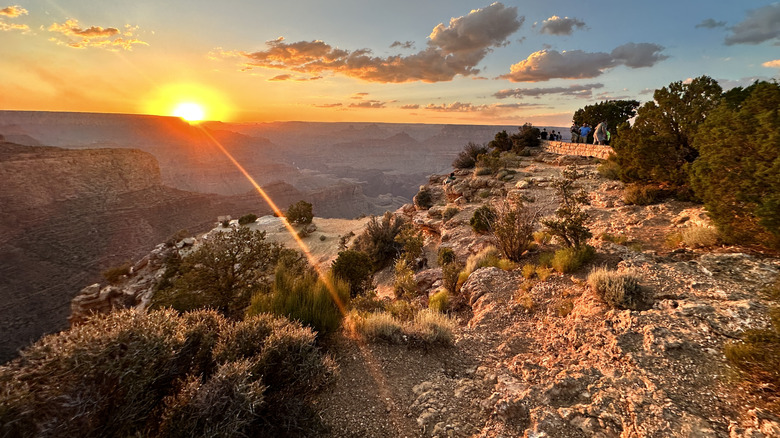
As the second most visited national park in the U.S., Grand Canyon National Park sees heavy foot traffic, and with that comes heightened safety concerns. The South Rim, while stunning, offers little shade in many areas, making summer hikes especially intense. Though temperatures here are milder than in the inner canyon, daytime highs in July can still climb into the 80s, 90s, or even 100s (Fahrenheit). Winter brings its own risks, with snow and freezing temps that can turn trails slick and dangerous. Rock falls and slides can become issues, particularly after downpours, and flash floods are more common than you might expect from July to mid-September. No matter the season, this is a place where nature demands preparation.
For a safer, more enjoyable experience, plan your visit in the shoulder seasons; September or October are ideal. Crowds thin, and the weather is more forgiving. Avoid July if possible, when heat and congestion peak. Proper gear is non-negotiable, as there are hiking essentials you need in case of an emergency. Wear loose-fitting, light-colored clothing; sturdy, trail-tested hiking shoes; and moisture-wicking socks. Carry at least 3 liters of water per person per day and have electrolyte tablets on hand to help replace salts lost through sweat. Bringing trekking poles can reduce knee strain and offer balance on steep descents. Start your hikes early to beat the heat, stick to marked trails, and always stay at least 6 feet from the edge. Most importantly, know your limits. Physically prepare for the hike you plan to tackle, and if something feels off — if you're dizzy, disoriented, or just don't feel right — turn back. The canyon will always be there.