

The Uniquely American Landscape You Can Recreate In Your Own Yard
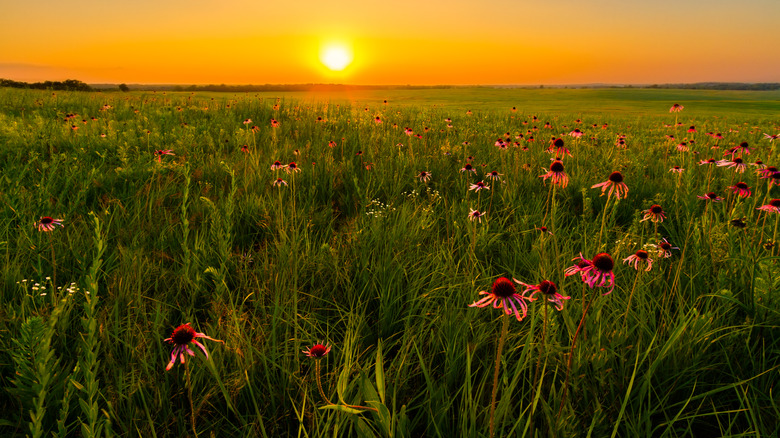
The middle of America was once covered in a vast landscape of waving grasses, colorful wildflowers, grazing bison, and birdsong. Undulating hills of bluestem, switchgrass, and Indiangrass growing 3 or more feet in height – peppered with purple coneflower, prairie larkspur, butterfly milkweed, and other native wildflowers — extended as far as the eye could see. This unique ecosystem, known as tallgrass prairie, once stretched from the Canadian border south to Texas, and from Indiana west through Nebraska and Kansas.
However, the fertile, tillable soils of these prairies were converted over time to crops and settlements by pioneers, who also suppressed the fires that played a critical role in maintaining prairie landscapes. Today, less than 4% of tallgrass prairie remains, and many species associated with this ecosystem — like the Western meadowlark, Greater prairie chicken, and the monarch butterfly — are under threat because of this loss. Federal, state, and local agencies and organizations are working to protect and restore tallgrass prairie, and you can help by bringing a piece of this landscape to your own backyard.
You can see remnants of this uniquely American landscape at several parks and preserves throughout the Midwest, where land managers are using prescribed burning, restoration of fallow cropland, and mowing and grazing techniques to keep this critical ecosystem thriving. Along with national parks that should be on your bucket list, visiting tallgrass prairies like the Northern Tallgrass Prairie Refuge in Minnesota, Tallgrass Prairie National Preserve in Kansas, and Prairie State Park in Missouri will fill you with wonder and inspiration for your own garden.
Creating a patch of prairie in your own yard
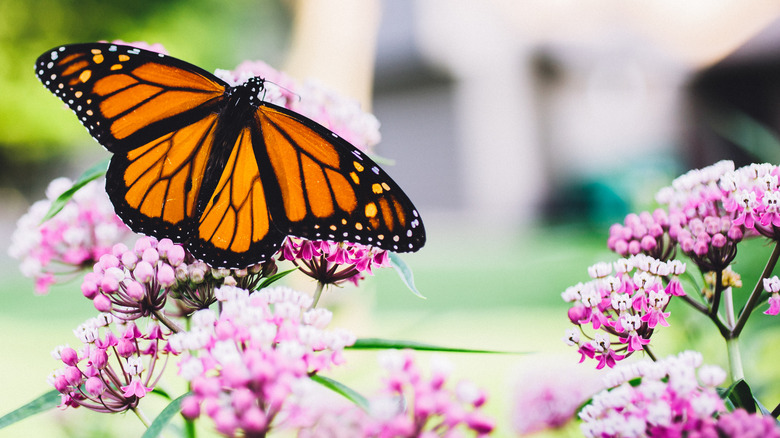
If you live in an area once dominated by tallgrass prairie, you can plant your own mini-version of this grassland. Although your backyard prairie won't be a vast savannah supporting bison and prairie chickens, converting even small patches of your yard into prairie can improve biodiversity, making all the bees come buzzing and supporting a variety of birds and butterflies.
To create your patch of prairie, pick a sunny spot, and clear the area of any non-native species. Amend your soil as needed with organic matter to provide the rich, well-drained foundation prairie plants need. You can plant your site in springtime with native seeds bought from a prairie seed supplier or with seedlings from a local nursery specializing in native plants. This will ensure you have the right species mix for your area. Add straw or hay mulch to protect the seeds or seedlings and maintain moisture for the growing season.
Minnesota Extension has a useful guide to planting and maintaining a small prairie garden that includes a list of common prairie grasses and wildflowers and tips on management practices as your prairie takes root. The first few years of your new prairie will take a lot of maintenance to get rid of any invasive ornamental grasses and other non-native species that can outcompete newly seeded tallgrass prairie plants. But once established, a backyard prairie basically takes care of itself, with occasional mowing to mimic the natural disturbances this ecosystem requires.