

The Venomous Creatures To Beware Of When Visiting This Southern California Beach
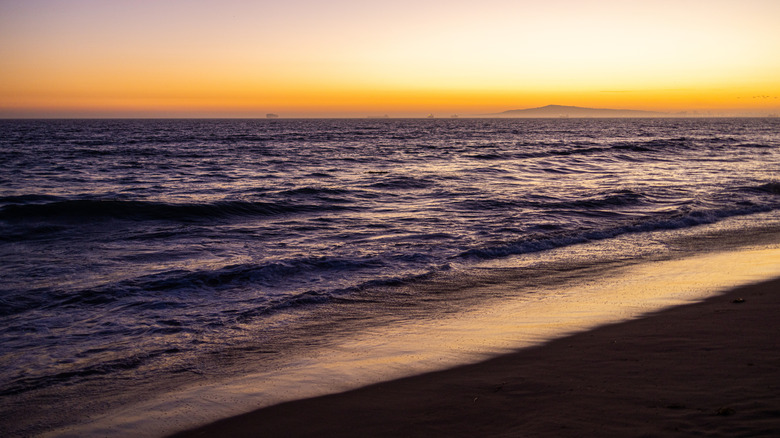
Nestled alongside the Pacific Coast Highway in the town of Huntington Beach, California is the popular Bolsa Chica State Beach. Referred to as Tin Can Beach until becoming part of the California State Park system in 1960, Bolsa Chica has long been popular among hikers, surfers, fishermen, and those who just want to explore the seashore. While the relatively small park, which encompasses only 3 miles of beachfront, offers outsized outdoor adventures opportunities, it also is filled with potential dangers in the form of venomous creatures on land and in the sea.
At Bolsa Chica State Beach, as elsewhere along the coast, there are dangerous creatures to beware of when swimming in California waters. Chief among these are stingrays and jellyfish. When in the water, be sure to shuffle your feet on the bottom to alert stingrays of your presence. You should learn to spot jellyfish when swimming and know what to do when stung by a jellyfish. Of course, sharks — even great whites — are another creature to be aware of here, so be sure to heed all posted warnings and avoid swimming during lowlight conditions.
When hiking, camping, or otherwise adventuring on land within Bolsa Chica State Beach, there are a few arachnids that can cause harm. For starters, both black and brown widow spiders are found here. Each of these is capable of inflicting serious spider bites that require medical attention, though the brown widow's bite is generally less dangerous. Additionally, hairy desert scorpions are found throughout the area. If camping, be sure to shake out bedding and clothing, and check all shoes for unwanted guests. The same goes for beach towels before using them to dry off.
Venomous snakes found on land and in water
Bolsa Chica Beach, like many areas in Southern California, is home to various rattlesnake species. The infamous western diamondback is right at the top of the list, although red diamondbacks and southern pacific rattlesnakes are also common. With that in mind, visitors to Bolsa Chica Beach and Ecological Reserve should be mindful when walking or hiking through tall grass or other areas where rattlesnakes may be hiding. If you do come across a rattlesnake while hiking, it is important to give it plenty of space and never attempt to approach it. If you are bitten, stay calm, remove any jewelry or clothing near the bite, elevate the wound, and seek medical help immediately.
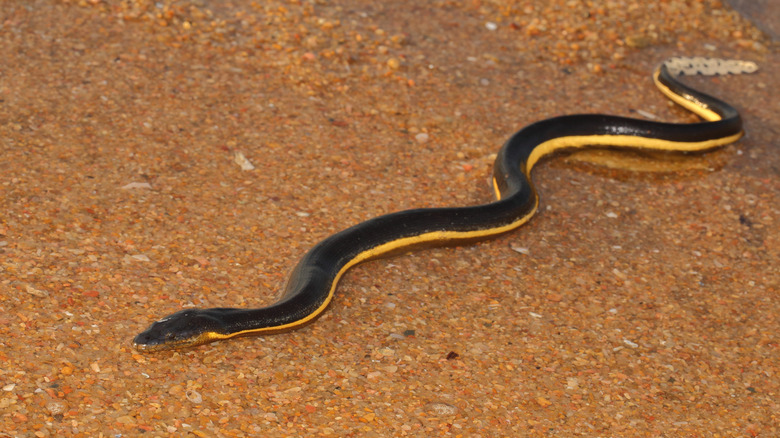
Though rattlesnakes are the most commonly encountered venomous snake in this area, another dangerous type of snake recently began emerging from the sea in parts of Southern California, including Bolsa Chica Beach. The yellow-bellied seasnake was first spotted at Bolsa Chica in 2015. There have only been a handful of these very venomous serpents found in California thus far, but they do present a real danger. The potential peril is perhaps heightened because seeing a deadly seasnake is quite unexpected in American coastal waters. Researchers speculate warming waters and El Niño weather patterns may be connected to these appearances.
If you happen across a yellow-bellied seasnake, do not attempt to approach or handle it. The greatest chance of being bitten by one of these venomous snakes is by picking it up (and their venom is very toxic to humans, leading sometimes to paralysis and death). Should you see one on the beach, give it plenty of space and report the sighting to a lifeguard or other park officials. If you are in the water when you spot one, head for shore and report the sighting.