

The Unusual Fruit-Loop Smelling Shade Tree That Pollinators Love
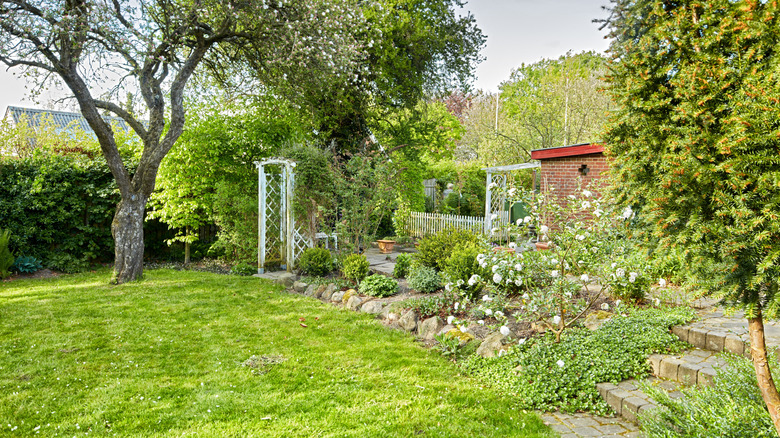
Filling your garden with various pollinator-attracting trees and plants does a lot more for the environment than you may realize. Some of the benefits include healthier and more productive fruit trees and vegetables, improved air quality, and better habitats for wildlife. This last benefit is crucial because many pollinators' dropping numbers are due to habitats disappearing with the increase in urbanization. If you are looking for some new trees to plant that will draw more pollinators to your garden, choose the sassafras (Sassafras albidum) tree. This lovely pick grows about 4 feet each year when young and has the unique feature of sporting three different leaf shapes. When you're around sassafras trees, don't be alarmed if you have sudden cravings for a brightly-colored, doughnut-shaped cereal. Sassafras has a very distinct scent that many have compared to Froot Loops cereal.
A single trunk sassafras tree typically reaches heights of 20-50 feet when fully grown, making it an ideally sized shade tree. During early spring, this species also produces small, yellow flowers grouped in clusters. In late fall, the female flowers will produce a blue-black berry fruit that is very popular with songbirds.
Bees are the main pollinator of these unusual trees, but they get help from a few different species of flies and beetles. Think twice before killing these insects, as they can positively affect all of your plants and trees, including vegetables and fruits. You may even want to consider following these 12 tips to make all the bees come buzzing to your garden.
How to plant and care for sassafras trees
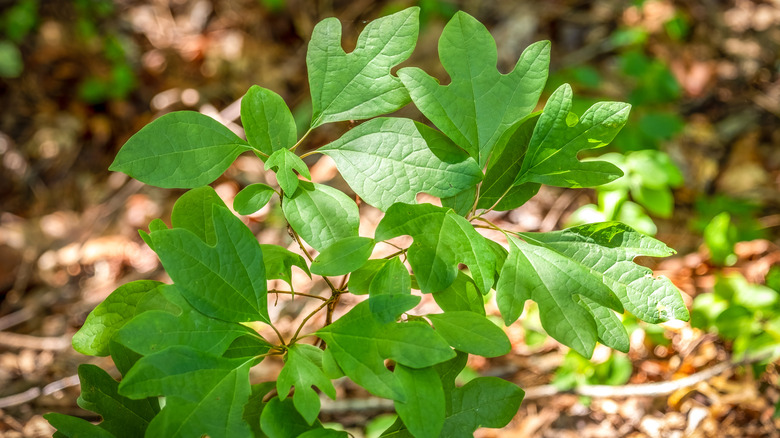
Sassafras trees are very easy to care for and a good choice for newbie gardeners. These lovely trees can handle a variety of temperatures and climates. They do well in full sun or filtered sun, but you should avoid planting them where in full shade. The amount of sun the sassafras trees get can affect the tree's canopy. Full sun helps produce a broad canopy with lots of leaves, and filtered sun fosters a single canopy that resembles an umbrella.
Until your trees are established, water them once or twice per week if there has been no rain. This is especially important during the first year of the tree's life, as it helps establish a strong root system. Make sure to water the tree slowly and deeply so the tap root gets hydrated. Quickly pouring water on top can lead to run-off and miss the deep roots.
Many animals (including bees, butterflies, and songbirds) love the sassafras tree, making it a great choice for your yard if you want a beneficial tree for wildlife to enjoy. This species is critical to the spicebush swallowtail caterpillar and one of the only trees it will feed on. Planting sassafras (and following other simple methods for attracting more songbirds to your yard) will give you the musical, pollinator-attracting garden you've always wanted.