

Protect Bees, Butterflies, And Other Garden Pollinators By Choosing These Non-Toxic Pesticides
We may receive a commission on purchases made from links.
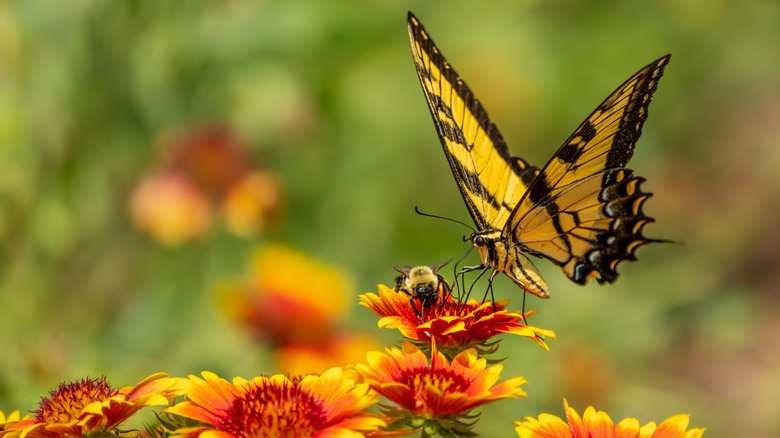
Gardeners often turn to pesticides in an effort to keep their shrubs healthy, their flowers pretty, and their edible plants tasty and bountiful. It's understandable, given how destructive Japanese beetles, potato bugs, and other insects can be. However, a range of pesticides injure the pollinators that plants need for making flowers and fruit. Neonicotinoid pesticides, sometimes called neonics, are outlawed in Europe because they're associated with the collapse of honeybee colonies. These chemicals aren't the only problem. Some pollinator-harming ingredients power products marketed as natural or eco-friendly. For example, you may want to avoid using neem oil in your garden since it can harm bees that come into contact with it. Generally speaking, pollinator-safe pesticides contain non-toxic bug deterrents such as garlic or Bacillus thuringiensis.
Sidestepping neonics is your first order of business when shopping for a pesticide that won't hurt pollinators. Imidacloprid, clothianidin thiamethoxam, and other neonics are common components of pest-control products sold in the U.S., so be sure to read labels carefully. Also steer clear of plant-derived ingredients that can easily kill bees, including pyrethrin, rotenone, and sabadilla. Keep copper sulfate, diatomaceous earth, insecticidal soap, and the bacterial byproduct spinosad out of your shopping cart, too, as they're likely to poison the bees your garden has attracted. Boric acid, copper, horticultural vinegar, ryania, and sulfur aren't quite as dangerous for pollinators as the aforementioned substances, but they're not the best choice. So, what should you use?
Non-toxic pest fighters that won't harm pollinators
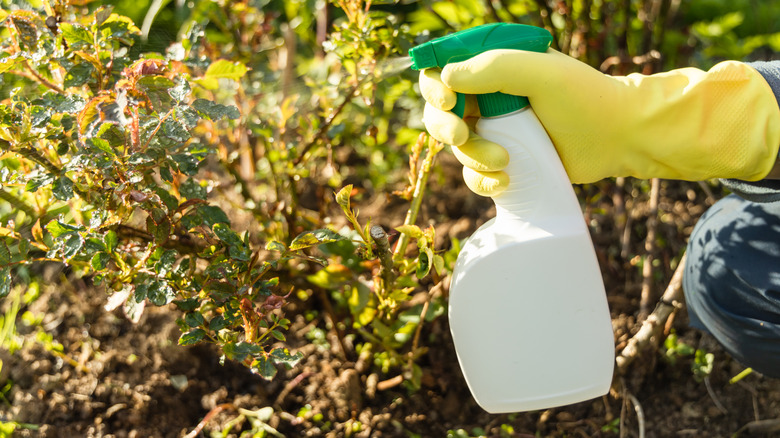
Bacillus thuringiensis, also known as Bt, is one pollinator-friendly ingredient to look for on pesticide labels. This bacteria is sprayed on plant foliage to control leaf-eating pests such as caterpillars. Bt is only harmful to insects when ingested, so it's not a problem for bees and butterflies. That's because these pollinators consume nectar rather than leaves. Just be sure Bt isn't combined with other ingredients that put pollinators in harm's way.
Coating plants with a liquid containing powdered kaolin, a clay used in food processing and cosmetics manufacturing, makes it difficult for insects to damage leaves and other vulnerable plant parts. Researchers have concluded that kaolin poses no significant risks to humans, honey bees, or other beneficial insects, according to the U.S. Environmental Protection Agency. This substance can also prevent fungal and bacterial infections. Therefore, it's an attractive choice for growers of organic fruits and vegetables.
Sprays that incorporate garlic also evict garden pests without harming pollinators. One such product, BugHut concentrated bug spray, contains 10% garlic oil and is designed to drive away aphids, mealybugs, thrips, and whiteflies. The manufacturer recommends diluting it with water and applying it immediately after evidence of pests appears. Likewise, planting garlic in your garden can help repel Japanese beetles, aphids, and spider mites. Keep in mind that garlic's strong odor is the main way it keeps bugs away from nearby plants. Though garlic shouldn't harm bees, butterflies, or other beneficial insects, it may deter them along with bugs you don't want in your garden.