

Camping In A National Park Is An Incredible Experience, But There's One Major Drawback
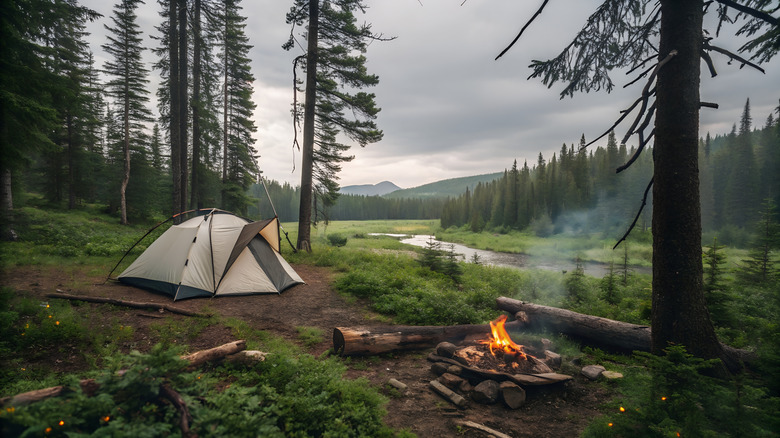
Camping is a popular activity that many people enjoy. According to the camperchamp website, almost 88 million people went camping in 2023. More than 50% of campers are Gen Zers and Millennials, and camping overall has increased by 23% since 2014. We could go on but the bottom line is, camping is loved by new and old alike and is growing in popularity and participation. National parks are among the most beautiful places camp in the U.S. especially these 10 most visited campgrounds. But there is one major drawback of camping in national parks: There are very strict rules and regulations that go along with spending the night outdoors in these beautiful areas.
These regulations are mostly about safety — the safety of the campers, and the safety of the wildlife and ecosystem that help define the national parks. Part of being a responsible camper is abiding by all those rules, even those you may not like very much. With more than 1,400 campgrounds in the park system, there are certainly plenty of options, but getting reservations may not always be as simple as you would think. Your best course of action when it comes to camping in national parks is going to be planning ahead, unless you want to be very disappointed and potentially even turned away due to not being prepared.
Rules and regulations when camping in national parks
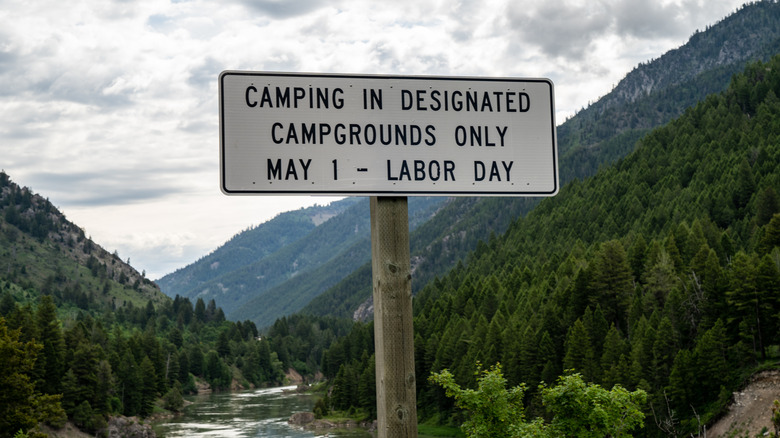
Most of the national parks in the NPS have a six camper limit per campsite, with only one camper unit, one RV per campsite, or two vehicles per campsite. (one of those can be the RV). Camping is only allowed in designated camping areas. This will be true in every national park across the U.S. "Designated camping" may involve campgrounds, individual campsites, or backcountry spots in certain areas where you can set up your tent along a hike. As long as camping is allowed in that area, you are within regulation.
Every national park has a limit on how long you can camp during a single season and it changes according to the time of year. For many parks there is a 10-day maximum from January 1 to April 30, and a 14-day max from May 1 to December 31. It is best to call the specific park you are camping at if you want to camp for an extended period of time, to make sure of these numbers.
Campfire safety is of utmost importance when it comes to camping. Almost 85% of wildfires are caused by humans, and there have been horrible forest fires started by being neglectful of campfires. Most campfire rules include attending the campfire at all times, only allowing small, contained fires at designated sites, collecting only dead wood for campfires, and all fires must be thoroughly extinguished before the campsite is left unattended. Campfire safety is probably one of the most critical rules to follow due to the devastating effects when they aren't.
How to have an amazing national park camping experience
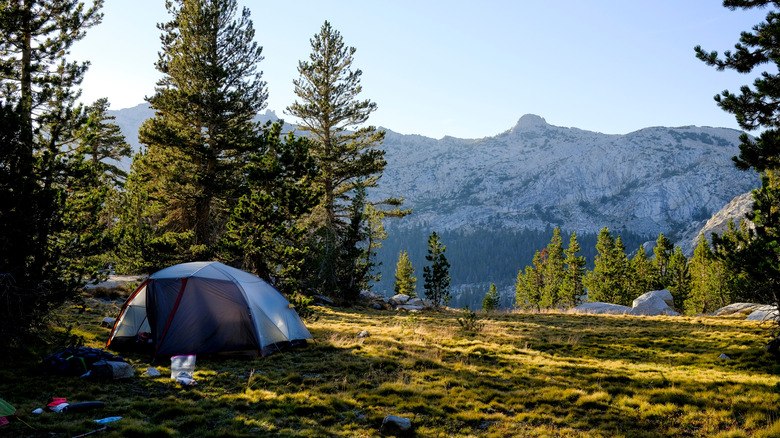
We have only touched on a few of the rules and regulations that apply to camping in a national park. The best way to know what is expected of you at each park is to go to the specific website. Make a list of everything you want to know about the park you will be camping in such as campsite rules, vehicle rules, pet rules, what can be hauled in or out, fees, and anything else you can think of. Look under "campground regulations" for the answers or call them directly and ask (don't just expect search engine AI to give you complete or accurate information). The time to find out that you can't camp in a tent at a particular park, for example, is not when you're at the entrance gate of the park with a tent.
Entrance fees and U.S. park passes are important to consider as well. Keep in mind that unless you are going during one of the free entrance days, most national parks charge an entrance fee and many parks are cashless so bringing cash to pay is not possible. An easy way to avoid entrance fees is to purchase the America the Beautiful Pass. This $80 pass ($20 for seniors) covers entrance fees to all the national parks and federal properties for one year and is well worth it if you visit more than one park in a year's time.
Planning ahead and taking the time to learn the rules of each of the breathtaking places you will be camping will guarantee that you won't be surprised by things once you get there. Doing this will make your camping trip something truly special and enjoyable without worry and stress that you are breaking any rules.