

Why You Don't Want To Touch These Invasive Worms And How You Can Get Rid Of Them
We may receive a commission on purchases made from links.
Hammerhead worms, bizarre-looking creatures that can grow to over a foot long, are an invasive species to the U.S. Native to Asia, they have been in America for over 100 years. However, they have continued to spread, and the past few years have seen them move into an ever-increasing portion of the country. In June 2025, torrential rains in Texas have resulted in hammerhead worms exposing themselves above the soil in areas of the state they were not previously known to exist.
The threats posed by hammerhead worms are multi-faceted, making them a type of worm you never want to see in your garden. For one, they secrete a toxin that can cause skin irritation to anyone handling them with bare hands. This toxic excretion can also cause nausea and vomiting from any dogs or cats that lick or eat them.
Like many invasive species, hammerhead worms pose a potential environmental threat, as they destroy native earthworms. Although earthworms can cause some problems, they are generally seen as beneficial to gardens. However, hammerhead worms also prey on pests you want to keep out of your garden, such as Asian jumping worms. As a result, some gardeners actually welcome them.
How to get rid of hammerhead worms
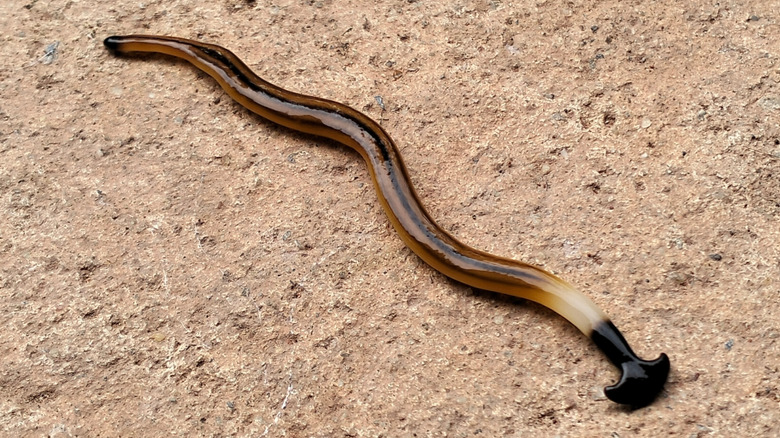
Like many species of worms, hammerhead worms are typically found burrowed beneath objects such as logs and rocks. However, they are more commonly seen in the open following heavy rains, which can force them to vacate these hiding spots. Should you see one, your natural instinct (given its size and sinister look) may be to dispose of it by chopping off the hammer-shaped head. However, that is a bad idea. Because they reproduce asexually, chopping up a hammerhead worm in an attempt to kill it will actually have the opposite effect and result in multiple worms that are very much alive.
Due to its toxin-covered skin, the other thing you don't want to do is grab a hammerhead worm barehanded. Instead, pick it up with a long-handled shovel or other garden implement. You can also use Wells Lamont Garden Gloves or similar rubber-coated hand coverings to prevent your bare skin from contacting the worm. At that point, you should put the worm in an airtight container like a jar or plastic bag. Then, place salt, soapy water, or hand sanitizer in the container and seal it securely. You can also use alcohol or vinegar in place of those substances. Be sure to wash your hands afterwards to remove any toxin that may have gotten on your skin.
Although it is possible to treat small areas with salt to exterminate and prevent hammerhead worms, most experts advise against such a broad measure, as the salt can be damaging to garden plants and beneficial creatures. Rather, the best way to prevent having hammerhead worms in your garden is to only buy plants and garden tools from stores and nurseries that have a high standard of cleanliness and sanitation. You should also regularly wash your garden tools.